







-50x50.png "ClearWhite GlassRestore Pro | Polish Cermin Kereta | Car Glass Polish Watermark and Water Spot Remover | Polish Cermin Hadapan | Kesan Wiper")


The Science Behind Household Cleaning Agents| What is the Secrets of Effective Cleaning?
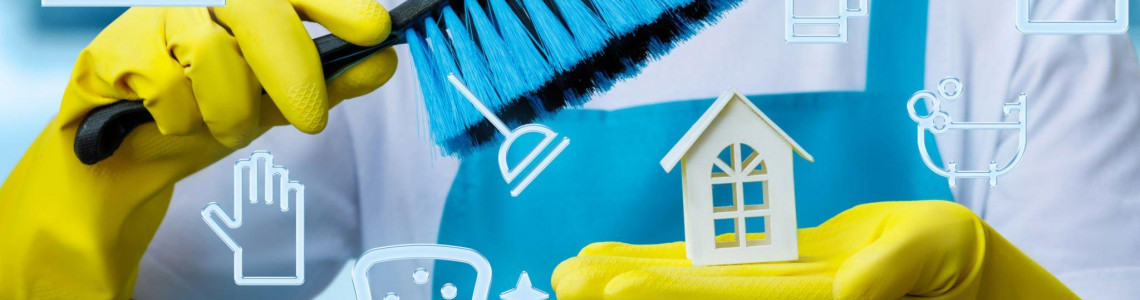
Cleaning agents are essential for every home to combat dirt, stains, and grime that build up over time. Whether it's a versatile all-purpose cleaner or a specialized solution, these products are vital for maintaining a clean and hygienic home. In this article, we will explore the science behind household cleaning agents, understanding the key ingredients and mechanisms that make them effective in removing tough messes and leaving surfaces sparkling clean.
Surfactants: The Cleaning Powerhouses
The main ingredient in most cleaning agents is called a surfactant, which stands for a surface-active agent. Surfactants help to make cleaning easier by reducing the tension between water and dirt on surfaces. This allows water to get into the dirt and remove it more effectively. Surfactant molecules have a special structure with a head that likes water and a tail that doesn't. This special structure helps surfactants to surround and capture dirt particles, making them able to dissolve in water and easily rinsed away.Enzymes: Nature's Cleaning Crew
Enzymes have become well-known for their amazing cleaning abilities in recent years. Enzymatic cleaners have special enzymes that can break down tough organic stains, like food, blood, or bodily fluid stains. These enzymes speed up the natural breakdown process of stains, making them smaller and easier to deal with. Enzymatic cleaners are a strong and environmentally-friendly choice for fighting stubborn stains.Acids and Alkalis: pH-Based Cleaning
Different cleaning tasks need specific pH levels for the best results. Acidic cleaners, which have a low pH, can dissolve mineral deposits and remove hard water stains. On the other hand, alkaline cleaners, with a high pH, are better at tackling grease, oils, and protein-based stains. Knowing about acids and alkalis can help you choose the right cleaning product for different surfaces and stains.Oxidizing Agents: Breaking Down Tough Stains
Stain removers and bleach often contain oxidizing agents like hydrogen peroxide or sodium hypochlorite. These agents work by releasing oxygen molecules that react with stain molecules, breaking them down into smaller, less colorful compounds. Oxidizing agents work well on organic stains such as coffee, wine, or ink, and can help restore the original look of fabrics and surfaces.Solvents: Dissolving Stubborn Grime
When you need to remove oil-based stains or sticky residues, solvents are your best bet. Solvents are substances that can dissolve other substances, and they're great at breaking down and removing greasy or sticky messes. Common solvents found in cleaning products include isopropyl alcohol, acetone, and citrus-based solvents. They can effectively get rid of grease, adhesives, and even permanent marker stains.The secret to effective household cleaning agents lies in understanding their ingredients and how they work. Surfactants, enzymes, acids, alkalis, oxidizing agents, and solvents all contribute to the cleaning power of these products.
Knowing how these components work helps us make informed choices when selecting cleaning agents for different tasks and surfaces. By using the science behind cleaning, we can achieve impressive results and keep our homes clean, fresh, and inviting for a healthier and more enjoyable living environment.
Related Products
