








Are Robot Detergents Safe for Floors and Pets?
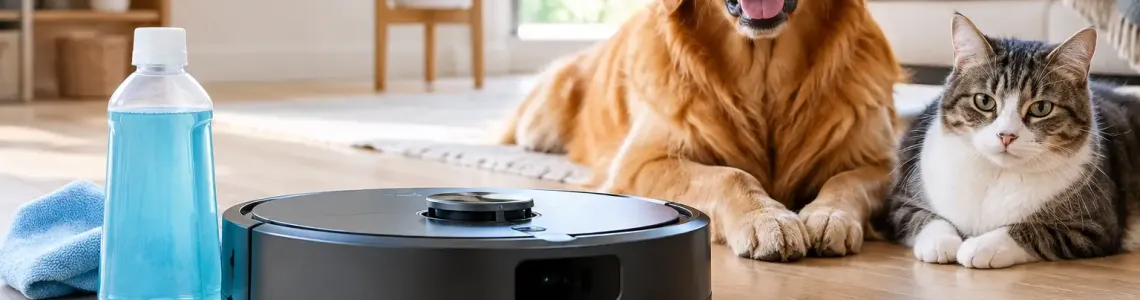
A robot mop can make daily floor care much easier - until cloudy streaks appear, the tank smells odd, or your robot starts leaving less water behind. So, are robot detergents safe? Yes, when you choose a formula made for robotic floor cleaners and use it exactly as directed. The wrong cleaner, however, can create excess foam, damage internal parts, leave slippery residue, or irritate sensitive paws and skin.
The key is not simply buying a product labeled “floor cleaner.” Robot cleaners have smaller tanks, narrow water channels, pumps, filters, and microfiber pads that behave very differently from a bucket-and-mop setup. A detergent that works well in a mop bucket may be too foamy, too thick, or too oily for your device.
Are Robot Detergents Safe? It Depends on the Formula
A purpose-made robot detergent is generally designed to be low-foaming, water-soluble, and easy to rinse from the robot’s internal system. Used at the stated dilution, it should clean sealed hard floors without clogging the water outlet or coating the mop pad with residue.
That does not mean every robot detergent suits every home or every floor. Safety depends on four things: your robot manufacturer’s guidance, the floor material, how much product you add, and who shares the space. Homes with crawling babies, pets that lick floors, or people with fragrance sensitivities should be more selective about ingredients and usage.
A good formula should leave the floor clean, not heavily perfumed or sticky. If your feet feel tackiness after the floor dries, or your robot begins producing weak water flow, treat that as a warning sign. Stop using the product, rinse the tank and pad thoroughly, and return to plain water until the system is clear.
What Makes a Robot Mop Detergent a Safer Choice?
The safest option is one specifically described as compatible with robot mops, robotic wet cleaners, or automatic floor-cleaning devices. These products are usually formulated for controlled water dispensing rather than heavy manual scrubbing.
Low foam matters most. Suds may look like proof of cleaning power, but foam can interfere with pumps and sensors, cause leaks, and leave residue in the tank. A robot detergent should also be fully water-miscible, meaning it blends evenly into water instead of separating into oily layers.
Avoid pouring in household dish soap, laundry detergent, bleach, pine oil, thick disinfectant, or vinegar unless the robot manufacturer explicitly approves it. These common household products can foam too much, corrode components, dull floor finishes, or void a device warranty. Essential oils are also a poor shortcut: they may leave an oily film, affect plastic parts, and can be unsafe around certain pets.
Fragrance is another personal choice. A light, fresh scent can make a room feel cleaner, but unscented or lightly scented formulas are often the better pick for homes with asthma, scent sensitivity, babies, or pets. “Natural” does not automatically mean harmless. Plant-based ingredients can still trigger irritation when concentrated or used incorrectly.
Check Your Floor Before Filling the Tank
Robot detergent safety is also about the surface under the wheels. Sealed tile, vinyl, laminate, and properly sealed hardwood are common candidates for robot mopping, but each floor has its own limits.
Unsealed wood, waxed floors, natural stone, and damaged laminate need extra care. Too much moisture or the wrong pH can cause swelling, hazing, discoloration, or loss of shine. Marble and other calcareous stone surfaces can be especially sensitive to acidic cleaners. If you are unsure what finish is on your floor, test the diluted solution in a small hidden area first.
For high-gloss tile or luxury vinyl plank, residue control is crucial. Use the correct dilution and change dirty pads frequently. A dirty pad can spread fine grit across the floor, which defeats the purpose of using a gentle cleaner.
Children and Pets: Use Smart Cleaning Habits
A properly diluted robot detergent is typically intended for use on floors that people and pets walk on. Still, floor-cleaning liquid is not something children or animals should drink, touch in concentrated form, or walk through while it is pooled on the floor.
Keep the bottle closed and stored in a high cabinet. Fill the robot tank away from food-prep areas, wipe spills immediately, and do not leave open bottles where a curious pet can investigate. If a child or pet swallows concentrated detergent, contact a medical professional or poison control service right away and keep the product label available.
For everyday use, let the floor dry before allowing babies to crawl or pets to return to the room. This is a simple habit that reduces contact with any remaining moisture and prevents paw prints from turning a freshly cleaned floor into a streaky one.
If you have a pet that frequently licks floors or has known skin sensitivities, choose a mild, low-residue formula and use the smallest effective dose. You can also run the robot with plain water between detergent cleans, especially for light dust, paw marks, and routine maintenance.
The Dilution Rule That Prevents Most Problems
More detergent does not mean cleaner floors. In a robot mop, overdosing is one of the fastest ways to create foam, sticky tracks, clogged channels, and dull-looking surfaces. The tank holds a limited amount of water, so even a small extra pour can make the mixture far stronger than intended.
Follow the bottle’s measurement instructions exactly. If the product includes a cap or measuring chamber, use it rather than guessing. Never mix multiple cleaning liquids in the tank. Combining products can create unwanted chemical reactions, strong fumes, or residue that is harder to flush out.
Use clean water whenever possible. Very hard water can contribute to mineral buildup in tanks and nozzles, while dirty water can shorten pad life and reduce cleaning performance. Empty the tank after use if your robot instructions recommend it, then rinse the tank, mop pad, and water outlet area regularly.
Signs Your Detergent Is Not Working for Your Robot
Your robot does not need to flash an error message for there to be a problem. Watch for practical signs after the first few cleaning cycles:
- Excessive bubbles in the tank or around the mop pad
- A sticky or slippery feeling after the floor dries
- White haze, streaks, or dull patches on the floor
- Reduced water flow, dripping, or an unusual smell from the tank
- Pets avoiding the freshly cleaned area or showing paw irritation
One of these signs may come from a dirty pad or an overdue tank rinse, not necessarily the detergent. But if the issue continues after cleaning the robot and correcting the dilution, discontinue that formula. Protecting the robot and your floors costs far less than repairing a pump or replacing damaged flooring.
A Better Routine for Cleaner Floors
For homes with active kids, pets, or frequent foot traffic, use your robot vacuum first whenever possible. Removing dry dust, hair, crumbs, and grit before wet mopping helps the detergent work on actual floor marks instead of turning debris into muddy film.
Run a detergent clean when floors need more than a water refresh - after muddy shoes, cooking splatters, pet accidents that have been fully pre-treated, or a busy week of tracked-in dirt. For quick daily touch-ups, plain water may be enough, depending on the robot’s instructions and your flooring.
Wash or replace microfiber pads on schedule. A quality detergent cannot compensate for a pad loaded with grease, hair, or fine dust. Clean pads also help prevent odors, improve pickup, and leave a more even finish across tile, vinyl, and sealed wood.
Choose a robot-safe formula, measure carefully, and give your machine the simple maintenance it needs. That is how you get the convenience of automated mopping without trading it for streaks, residue, or unnecessary worry. A clean floor should feel like a win for the whole household - including the smallest feet and paws.
Related Products
