








-50x50.png "ClearWhite GlassRestore Pro | Polish Cermin Kereta | Car Glass Polish Watermark and Water Spot Remover | Polish Cermin Hadapan | Kesan Wiper")


-(1)-50x50.png "EziSac Lizard Repellent - Fast Acting Effective Natural Long-Lasting No Mess No Sticky Formula to Halau Cicak")

7 Best Bathroom Mold Cleaners for Real Results
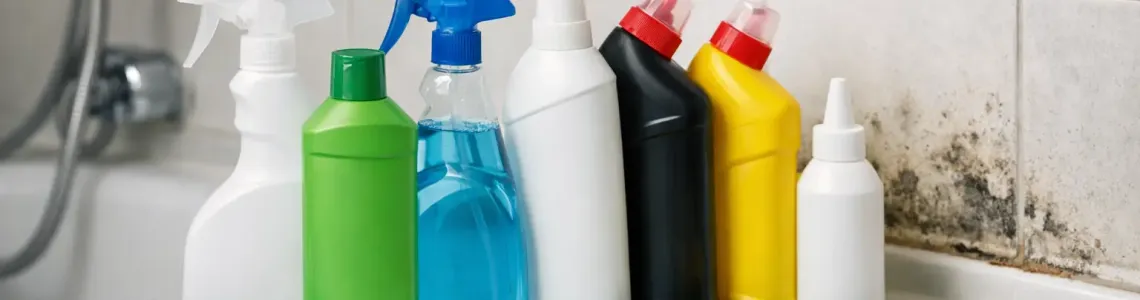
Black spots spreading across shower grout, pink buildup around the drain, and mildew stains creeping along caulk all need different solutions. The best bathroom mold cleaners do more than make surfaces look white for a day. They break down visible growth, target stubborn staining, and help you keep damp bathroom surfaces under control.
A strong cleaner is only half the job. The right formula depends on whether you are treating tile, grout, silicone caulk, painted ceilings, or a shower curtain. Choose badly and you may end up with faded fabric, damaged natural stone, harsh fumes in a small room, or mold that returns within a week.
What Makes the Best Bathroom Mold Cleaners Work?
Bathroom mold thrives where moisture lingers: around shower edges, under toiletries, along window frames, behind toilet tanks, and in grout lines that never fully dry. A cleaner must match both the surface and the problem. Dark marks are not always active mold. They may be old staining left behind after the spores are gone, which is why some areas need repeated cleaning or caulk replacement instead of more spray.
The most effective products usually fall into a few useful categories:
- Bleach-based mold removers deliver fast whitening power on nonporous tile, ceramic, porcelain, and some sealed grout. They are excellent for visible black stains, but can discolor fabrics and may weaken or yellow older caulk with repeated heavy use.
- Hydrogen peroxide cleaners offer a lower-odor option for many bathroom surfaces. They lift stains and help sanitize, though they can work more slowly on deep grout discoloration.
- Mold and mildew sprays with surfactants cling to vertical walls and shower screens, helping loosen soap scum along with mildew. These are a practical choice for routine weekly cleaning.
- Gel or foam formulas stay in place on caulk seams, grout lines, and corners. Their contact time is their advantage: the cleaner can work without running straight into the drain.
- Enzyme or plant-based cleaners are often preferred in homes with children and pets, especially for frequent maintenance. Check the label carefully. A gentler formula may control light mildew but may not remove deeply embedded black staining in one application.
No cleaner can permanently solve a moisture problem. If the exhaust fan is weak, the shower never dries, or water is leaking behind a wall, mold will keep finding a way back.
Best Bathroom Mold Cleaners by Surface
Tile, shower walls, and tubs
Glazed ceramic and porcelain are usually the easiest bathroom surfaces to clean. A bleach-based spray or a dedicated mold-and-mildew remover can produce quick visible results on white tile and around tub edges. Spray the affected area, allow the labeled dwell time, scrub with a non-scratch brush, then rinse thoroughly.
For colored tile, decorative finishes, or older surfaces, test a hidden spot first. Strong bleach may dull certain finishes over time. Avoid abrasive scouring pads on glossy surfaces because tiny scratches can trap more soap residue and moisture later.
Grout lines
Grout is porous, so surface sprays alone may not reach discoloration that has settled into the material. A clinging gel, foam cleaner, or a grout-targeted mold remover is often a better buy than a thin liquid spray. Apply it directly along the lines, give it time to work, then agitate with a stiff grout brush.
If grout remains gray or black after two careful treatments, the stain may be permanent or the grout seal may have failed. At that point, clean thoroughly, let the area dry completely, and consider resealing the grout. Cracked or crumbling grout needs repair, not stronger chemicals.
Silicone caulk and shower seals
Caulk is where many bathrooms lose the battle. Mold can grow beneath the surface, particularly around shower trays, glass doors, and tub joints. A thick mold-removal gel is useful because it stays against the seal instead of slipping away.
Place the product precisely, leave it only for the time stated on the label, then wipe and rinse. If dark marks remain inside the caulk or return quickly, replacement is usually the real fix. Fresh caulk costs less than repeatedly buying cleaners that cannot reach mold hidden behind a failing seal.
Painted walls and ceilings
Ceiling spots need a gentler approach. Do not soak painted drywall with a heavy bleach spray. Excess moisture can damage paint, soften drywall, and spread the problem. Use a cleaner labeled for painted surfaces, apply it to a cloth rather than spraying overhead when possible, and wipe lightly.
If the mold covers a large area, keeps returning, feels damp, or appears after a leak, pause the cleaning project. Fix the ventilation or water source first. Widespread growth may require professional assessment, especially when it is connected to a roof, plumbing, or wall leak.
Shower curtains, bath mats, and fabric items
Fabric and vinyl hold onto moisture longer than hard surfaces. Check care instructions before using any mold cleaner. Many washable shower curtains and bath mats respond well to a hot wash with detergent and an appropriate laundry-safe additive. Vinyl curtains can often be wiped with a mild mildew cleaner, then dried fully before hanging them again.
Do not use bleach on every fabric just because it removes mold from tile. It can permanently fade colors, weaken fibers, and damage coated materials.
How to Use Mold Cleaner Without Creating a Bigger Problem
Open the bathroom door, run the exhaust fan, and use gloves before starting. Small bathrooms concentrate fumes quickly, so ventilation is not optional. Wear eye protection when spraying above shoulder level or scrubbing shower walls.
Never mix bathroom cleaners. Bleach mixed with ammonia, acids, vinegar, toilet-bowl cleaner, or another unknown formula can produce dangerous gases. Finish one product, rinse the surface well, and let the area air out before switching cleaners.
Remove shampoo bottles, toothbrushes, towels, and children’s bath toys from the area. Spray only the affected surface, not the entire room. More product does not mean faster results. What matters is even coverage and enough contact time for the formula to work.
After cleaning, rinse surfaces that receive regular skin contact, particularly tubs, shower floors, and grab bars. Then dry the area with a clean cloth or squeegee. This last step is simple, but it stops leftover water from becoming tomorrow’s mildew problem.
How to Choose the Right Formula Before You Buy
Start with the surface. Nonporous white tile can handle stronger stain-removal formulas than natural stone, colored grout, painted walls, or delicate fabric. Marble, travertine, limestone, and other natural stone need a stone-safe cleaner. Acidic or harsh products can etch them, leaving dull patches that cleaning cannot reverse.
Next, decide whether you are treating active growth, old staining, or routine prevention. For obvious black spots on a shower seal, choose a clinging mold-removal gel. For weekly maintenance on shower walls, a spray that handles soap scum and mildew is more practical. For a bathroom used by children or pets, look for clear usage directions, surface compatibility, and instructions for rinsing before the room is used again.
Also consider the applicator. Trigger sprays are fast for broad areas. Foams give better control on vertical surfaces. Narrow-nozzle gels are made for grout and caulk. The best product is the one that reaches the problem without wasting cleaner down the drain.
Stop Mold From Returning Between Cleanings
A bathroom does not need to look wet to stay humid enough for mold. Run the exhaust fan during showers and for at least 20 minutes afterward. If there is no fan, open a window or door as soon as practical. A small squeegee used after each shower can dramatically reduce water left on glass, tile, and grout.
Hang bath mats to dry instead of leaving them in a heap. Spread shower curtains closed after use so folds can air out. Wipe standing water from ledges, bottle racks, and the shower door track. Once a week, clean high-moisture zones before the dark spots become a scrubbing project.
Check for slow leaks under sinks, around toilet bases, and at shower fittings. A cleaner can remove visible mold, but it cannot defeat water feeding the same corner every day. Keep a surface-safe mold cleaner ready for quick action, dry the bathroom after use, and deal with small spots before they become a renovation problem.
Related Products