








-50x50.png "ClearWhite GlassRestore Pro | Polish Cermin Kereta | Car Glass Polish Watermark and Water Spot Remover | Polish Cermin Hadapan | Kesan Wiper")


Best Robot Vacuum Detergent: What to Buy
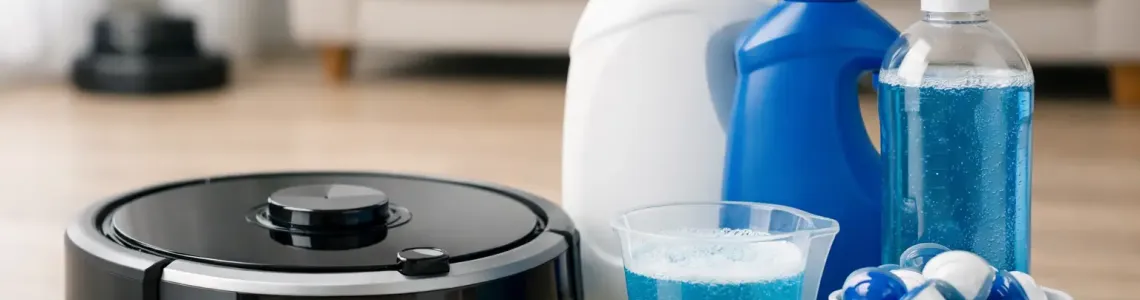
A robot mop can make daily floor care feel almost effortless - until the water tank smells musty, the tiles dry with streaks, or the machine starts leaving a dull film behind. The best robot vacuum detergent is not the strongest cleaner on the shelf. It is a low-foam, residue-conscious formula that cleans effectively without creating problems inside your robot or on your floors.
For busy homes with kids, pets, muddy entryways, cooking splatters, and constant dust, the right detergent helps your robot do what it was bought to do: keep hard floors looking consistently clean between deep cleans. The wrong one can lead to clogged lines, slippery surfaces, damaged components, and a warranty conversation nobody wants.
What Makes the Best Robot Vacuum Detergent?
Start with foam. Traditional floor cleaners are often designed for a mop bucket, where plenty of water and manual rinsing dilute the product. A robot mop works differently. Its water tank, tubing, pump, pads, and sometimes a self-washing dock all need a formula that behaves predictably in a small system.
Choose a detergent clearly made for robot mops, hard-floor machines, or automatic floor-cleaning devices. These formulas are usually low-foam and made to rinse or dry without leaving a sticky coating. They should lift everyday grime while allowing the robot's pads and sensors to keep performing as intended.
A good formula also needs to match your floor. Sealed tile, vinyl, laminate, sealed hardwood, and stone-look floors may all have different care requirements. “Multi-surface” can be convenient, but it is only a benefit when the label specifically confirms your floor type is suitable.
The most useful robot-cleaner detergents tend to share a few characteristics:
- Low-foam performance that protects tanks, pumps, and internal channels.
- Fast-drying, low-residue cleaning for a streak-free finish.
- Clear dilution directions, especially for concentrated formulas.
- Compatibility with sealed hard floors and common robot mop systems.
- A manageable scent or fragrance-free option for sensitive households.
Do You Need Detergent in a Robot Vacuum?
Not always. Many robot vacuums only vacuum and do not have a mopping system. Others can mop with plain water, and some manufacturers specifically require water only or their own approved solution. Before adding any cleaner, check the instructions for your exact model and docking station.
This matters most with premium robots that use automatic water dispensing, mop washing, or solution cartridges. Adding an unapproved liquid can foam inside the machine, interfere with sensors, or leave deposits in narrow water channels. If the manual says water only, follow it. Better-smelling floors are not worth risking an expensive appliance.
If your model permits cleaning solution, detergent can make a noticeable difference in homes where water alone cannot handle food residue, paw prints, tracked-in dirt, or light grease. It is a maintenance product, not a replacement for occasional manual scrubbing of dried spills, grout, corners, and heavily soiled areas.
Low Foam Is a Non-Negotiable Feature
A generous layer of bubbles might look like cleaning power in a sink, but foam is a bad sign inside a robot mop. It can disrupt water flow, create leaks around seals, and leave more residue for the machine to spread across the floor. In self-cleaning docks, excess foam can also make a messy situation much worse.
Avoid dish soap, laundry detergent, hand soap, shampoo, and general all-purpose cleaners unless your robot manufacturer explicitly approves them. These products may be useful elsewhere in the home, but they are not engineered for the confined mechanics of a robotic cleaner.
The same caution applies to DIY combinations of vinegar, essential oils, alcohol, and soap. Vinegar can be unsuitable for certain stone and wood finishes. Essential oils may leave an oily film and can be a concern around pets. Alcohol can affect finishes or rubber components at the wrong concentration. A purpose-made robot detergent is the simpler, safer answer.
Concentrated vs. Ready-to-Use Formula
Concentrated detergent is usually the better value for regular cleaning. A small bottle can make many tank refills when mixed correctly, which means less storage space and less packaging. It also gives you more control: use the recommended amount for routine cleaning and do not assume extra product will deliver better results.
Overdosing is one of the quickest ways to create streaks, sticky flooring, and buildup on mop pads. If a label calls for a capful or a few milliliters per tank, measure it. This is especially important with compact tanks, where even a small extra pour can make the solution too strong.
Ready-to-use formulas are convenient for shoppers who want no measuring and no guesswork. They can make sense for small homes, occasional mopping, or anyone managing multiple cleaning tasks at once. The trade-off is cost per use and extra bottles over time.
For most households, a concentrated low-foam detergent offers the strongest balance of value and performance. It keeps routine cleaning affordable while helping the robot leave a cleaner-looking finish.
Choose for Your Floor, Not Just Your Robot
A detergent can be compatible with your machine but still be the wrong choice for the flooring beneath it. Check both sides of the equation.
Tile, Vinyl, and Sealed Laminate
These are usually the easiest hard floors for robot mopping. Look for a neutral cleaner that removes everyday grime without leaving a glossy or slippery layer. If your laminate has seams or edges that are sensitive to moisture, use a lower water setting and avoid leaving the robot to repeat the same area too many times.
Sealed Hardwood
Wood needs a lighter touch. Use only a formula marked safe for sealed wood, keep the pad damp rather than saturated, and clean spills quickly by hand when possible. Never assume “safe for floors” means safe for every wood finish.
Natural Stone
Marble, travertine, limestone, and other natural stones can react badly to acidic cleaners. Avoid vinegar-based products and choose a pH-balanced solution made for sealed stone. When in doubt, test a small hidden area first.
Homes With Pets and Children
A clean floor matters more when little hands and paws spend time on it. Select a formula with clear usage and safety information, follow its dilution instructions, and allow the floor to dry before children or pets walk across it. Fragrance-free or lightly scented options are often a practical choice for scent-sensitive households.
“Pet-safe” does not mean a pet should drink from the tank or walk through pooled solution. Keep the bottle stored securely, empty dirty water promptly, and wash mop pads often. Hygiene depends on the whole routine, not just the liquid you choose.
Signs Your Current Detergent Is Not Working
Your floors will usually tell you when it is time to switch. Streaks after drying can mean the formula is too concentrated, too oily, or not suitable for the surface. A sticky feeling underfoot often points to residue buildup. Weak cleaning may mean the detergent is too diluted, the mop pad is overdue for washing, or the robot is trying to tackle messes that need spot treatment first.
Pay attention to the machine too. Unusual bubbling in the tank, a perfume smell that lingers inside the dock, poor water output, or recurring error messages can all be warning signs. Stop using the solution, rinse the tank according to the manufacturer’s care directions, and return to approved water or detergent.
Dirty mop pads can make even the best formula look ineffective. Wash reusable pads after heavy use, replace worn pads, and clean the water tank regularly. A fresh cleaning solution cannot compensate for a pad that is already loaded with grime.
How to Use Robot Mop Detergent Without Streaks
Begin with a vacuum pass or use your robot’s vacuum-and-mop setting so loose dust is removed before the pad gets wet. Then prepare the detergent exactly as directed. Use room-temperature water unless your machine says otherwise, and do not fill above the maximum line.
Set the water level for the floor condition. A light setting is often enough for daily dust and footprints. Increase it for a kitchen or pet area only if your floor can handle more moisture. For dried food, greasy splashes, or muddy marks, treat the spot first, then let the robot maintain the rest.
After the run, empty any dirty-water compartment, rinse removable parts as directed, and let pads dry fully. This small habit prevents odor and helps protect the next clean from starting with yesterday’s dirt.
Smart Buying Checklist
Before you buy, confirm that the detergent is approved for robot mop use and appropriate for your specific floor finish. Look for low-foam language, straightforward dilution guidance, and a formula that will not leave a waxy shine. If you clean frequently, compare the number of uses per bottle rather than judging value by bottle size alone.
A pleasant fragrance can make a home feel freshly cleaned, but it should never be the main reason to choose a detergent. Cleaning performance, residue control, machine compatibility, and floor safety come first. If fragrance is important, choose something light enough that it does not compete with cooking smells, pet areas, or sensitive noses.
Starmeg shoppers can simplify repeat floor care by choosing a targeted robotic-cleaner detergent instead of experimenting with household liquids that were never designed for the job. The right bottle protects the appliance, stretches your cleaning budget, and keeps the daily reset quick.
Your robot is built for consistency, not miracles. Give it a low-foam detergent made for its system, keep its pads clean, and reserve tougher messes for quick spot treatment. That is how a few scheduled cleaning runs turn into floors that stay ready for bare feet, surprise guests, and everyday life.
Related Products
