







-50x50.png "ClearWhite GlassRestore Pro | Polish Cermin Kereta | Car Glass Polish Watermark and Water Spot Remover | Polish Cermin Hadapan | Kesan Wiper")


-(1)-50x50.png "EziSac Lizard Repellent - Fast Acting Effective Natural Long-Lasting No Mess No Sticky Formula to Halau Cicak")

7 Best Upholstery Stain Removers for Real-Life Messes
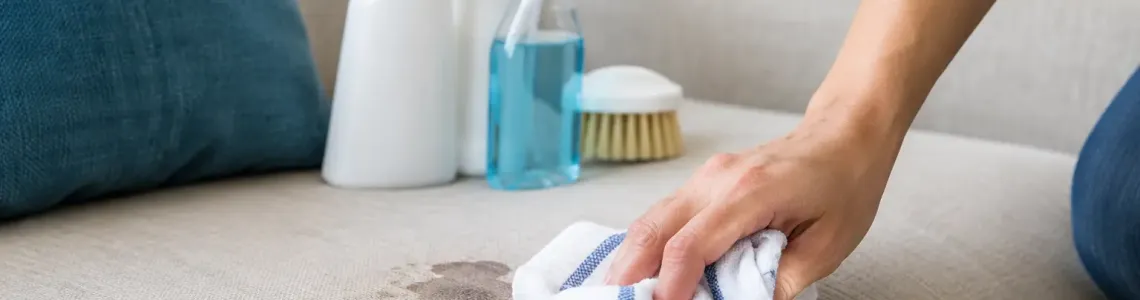
A sofa is where snack spills, muddy paws, leaky cups, and late-night takeout accidents all seem to land. The best upholstery stain removers do more than make a mark look lighter - they lift the stain without leaving a harsh residue, faded patch, or water ring behind.
The right choice depends on two things: what caused the stain and what your upholstery can safely handle. A powerful cleaner made for one problem can be the wrong move for another. Start with the fabric label, treat the spill quickly, and match the formula to the mess for results you can actually see.
What Makes an Upholstery Stain Remover Worth Buying?
A good upholstery cleaner needs to work on the stain without soaking the cushion. Too much liquid can push grime deeper into the padding, create a musty smell, or leave the fabric stiff after drying. Look for a formula designed for soft furnishings, ideally one that sprays evenly or foams up so you can control where it goes.
Fast action matters, but so does finish. The best products lift dirt, food, body oils, and stains while leaving minimal residue. Residue attracts fresh dust, which is why a seat can look clean on day one and dull again a week later.
For family homes, also consider scent and safety instructions. A low-odor formula is more comfortable in living rooms and bedrooms, while pet owners should choose a product that specifically addresses organic messes and follow the label directions before allowing pets back on the furniture.
The Best Upholstery Stain Removers by Mess Type
1. Enzyme cleaners for pet accidents and food proteins
Enzyme-based cleaners are the first choice for urine, vomit, milk, egg, and other protein-based stains. They work by breaking down the organic material that causes both the visible mark and the lingering odor. That matters when a pet keeps returning to the same spot because it can still smell an old accident, even if you cannot.
Give enzyme formulas enough contact time to work. Spraying and immediately wiping them away can reduce their effectiveness. Blot the area first, apply as directed, let it sit, then blot again with a clean white cloth. Avoid using hot water, which can set some protein stains into the fibers.
2. Oxygen-based cleaners for coffee, tea, and colored spills
Coffee, tea, juice, soda, berries, and sauce often leave behind color even after the surface spill is gone. Oxygen-based stain removers are useful because they target the discoloration without relying on chlorine bleach. They are often a safer fit for light-colored upholstery, but a spot test is still non-negotiable.
These cleaners can be especially helpful on dining chairs, fabric headboards, and pale sofas that show every small mark. Work from the outer edge toward the center so the stain does not spread. Blot rather than scrub, because aggressive scrubbing can roughen the fabric and make the cleaned spot look different from the rest of the seat.
3. Solvent-based removers for grease, makeup, and body oil
Greasy stains need a different approach. Butter, cooking oil, lotion, sunscreen, lipstick, and hair products can cling to fibers and create dark patches on armrests and headrests. Water alone usually will not lift them well.
A solvent-based upholstery cleaner can cut through oily residue, particularly on fabrics marked with an S cleaning code. Use it sparingly in a well-ventilated room, apply it to a cloth instead of directly flooding the furniture when possible, and blot gently. Keep flames and heat sources away from solvent products.
Before applying any liquid cleaner, press a dry cloth or paper towel onto a fresh grease stain to absorb as much as possible. Do not rub it in. The less oil left in the fabric, the less work your stain remover has to do.
4. Foam cleaners for everyday sofa refreshes
Foam upholstery cleaners are practical for general grime, light food stains, and dull-looking fabric. Because foam sits closer to the surface than a heavy liquid spray, it is easier to control on cushions, car seats, and upholstered chairs. This makes it a smart option when you need a quick clean without over-wetting the filling.
Brush or work the foam lightly only if the product directions allow it, then wipe away loosened soil with a clean microfiber cloth. Foam cleaners are not always strong enough for old pet urine or deep grease, but they are excellent for routine maintenance between bigger cleaning jobs.
5. Fabric spot sprays for fresh spills
A ready-to-use spot spray earns its place in any cleaning cabinet because speed is your best advantage. Fresh spills are easier to remove before they dry, oxidize, or sink into cushion foam. Keep one within reach of the dining area, living room, or car.
The best fabric spot sprays have a targeted nozzle, clear usage directions, and compatibility with common upholstery. They are ideal for small accidents, not for saturating an entire couch. For a larger stain, treat it in sections and use clean cloth areas as you blot so you are not transferring dirt back onto the fabric.
6. Upholstery shampoo for larger, set-in areas
When one chair cushion has gradually become darker than the rest, a spot cleaner may not give an even result. Upholstery shampoo is better for broad areas of embedded soil, especially when used with a compatible fabric-cleaning machine or according to the product instructions.
This option takes more time because drying is part of the job. Open windows, run a fan, and do not put cushions back into heavy use until they are fully dry. Cleaning only one small section of a heavily soiled sofa can leave a noticeable clean patch, so it may be better to clean the full cushion panel evenly.
7. Waterless cleaners for delicate fabrics and quick touch-ups
Waterless or low-moisture upholstery products are useful for delicate materials and small surface stains. They can reduce the risk of water rings, shrinkage, and long drying times. However, they are not a cure-all. Deep stains in thick cushions may need a stronger treatment or professional attention.
Use these products carefully on velvet, textured weaves, and specialty fabrics. Brush the pile in one direction after cleaning if the material requires it, and always test in a hidden area first.
Check the Upholstery Cleaning Code Before You Spray
The tag beneath a cushion or on the furniture frame may include a cleaning code. This small detail can save an expensive sofa. W means water-based cleaners are generally suitable. S means use solvent-based cleaners only. WS means either water- or solvent-based products may work. X means vacuum or brush only and calls for professional cleaning when stains are involved.
If there is no label, treat the fabric as delicate until you have tested it. Apply a small amount of product to a hidden area, wait until it dries completely, and check for color transfer, fading, stiffness, or a ring. A cleaner is only the right cleaner if it leaves the fabric looking normal afterward.
A Stain-Removal Method That Prevents Bigger Problems
Start by removing loose debris with a spoon, dull edge, or vacuum. Then blot the stain with a clean white cloth. White matters because colored towels can transfer dye onto damp upholstery.
Apply the stain remover according to its instructions and let it work for the recommended time. Blot from the outside toward the center, switching to a fresh part of the cloth as it picks up soil. Repeat if needed, but do not keep adding cleaner once the fabric is saturated.
Finish by blotting with a lightly damp cloth if the product calls for rinsing, then press dry towels into the area to pull out moisture. Let the upholstery air-dry completely. Heat from a hair dryer can set some stains and may change the texture of delicate fibers.
When a Store-Bought Cleaner Is Not Enough
Old stains, ink, dye transfer, mold, and large water damage are tougher than a standard spot-treatment job. So are stains on silk, leather, suede, antique fabrics, and furniture with an X code. Repeated DIY attempts can spread the mark or damage the finish, so this is when professional cleaning is often the money-saving choice.
For everyday spills, act fast, use the formula that fits the stain, and do not skip the spot test. A well-chosen upholstery cleaner turns a frustrating mess into a quick household task - leaving your favorite seat ready for movie night, guests, pets, and whatever happens next.
Related Products