









Car Care That Keeps Your Daily Driver Sharp

Road grime does not wait for a free weekend. It settles on paint, brake dust bakes onto wheels, fingerprints blur the inside of the windshield, and sun exposure slowly turns black trim dull gray. Good car care is not about chasing a showroom finish every day. It is about using the right treatment at the right time so small messes do not become permanent stains, faded surfaces, or expensive detailing work.
Build your car care routine around the surfaces you touch
A practical routine begins by separating the job into paint, wheels, glass, interior surfaces, and exterior trim. Each area collects different dirt and needs a different approach. One all-purpose cleaner may be convenient, but it can leave streaks on glass, strip tire dressing, or be too harsh for sensitive interior materials.
Start with the paintwork. Dust, mud, bird droppings, tree sap, and road film should be removed with a car-safe wash solution and plenty of water. Household dish soap is a poor substitute because it can remove existing wax or protective coatings and may dry out unpainted plastic over time. Use a soft wash mitt, rinse it regularly, and work from the roof downward so gritty dirt from the lower panels does not scratch cleaner areas.
Do not let bird droppings, insect residue, or fresh sap sit for days in direct sun. These contaminants can mark clear coat, especially on dark paint. A quick detail spray or a damp microfiber towel is often enough for a fresh spot. Press and lift rather than scrubbing hard.
Wheels need their own tools. Brake dust contains fine particles that can cling tightly to wheel finishes, while road tar and mud collect around the inner barrel. Use a wheel cleaner that is suitable for your wheel type, along with a dedicated brush or microfiber cloth. Never use the same mitt or towel from the wheels on painted panels. That is an easy way to drag abrasive grit across the paint.
Wash smarter, not harder
The biggest car-washing mistake is treating every dirty vehicle as if it needs aggressive scrubbing. Pressure, dirty towels, and poor drying habits cause many of the swirl marks people blame on automatic car washes.
Rinse first to remove loose grit. Then wash one panel at a time, keeping the surface wet and the wash media clean. If the car is heavily soiled after a rainy commute or a dusty parking lot, spend more time rinsing before touching the paint. A clean microfiber drying towel is the next step. Pat or glide it gently across the surface instead of rubbing in circles.
Avoid washing under intense midday sun when possible. Soap and water can dry too quickly, leaving mineral spots and residue behind. If shade is not available, work in smaller sections and rinse promptly. The goal is visible cleanliness without creating a second problem.
For most daily drivers, a proper wash every two to four weeks is realistic. It depends on where the vehicle is parked, local weather, and how often it travels on dirty roads. A garage-kept car may need less washing, while a vehicle parked under trees or used for family errands may need quick spot cleaning every few days.
Protect paint before it looks tired
Clean paint looks better, but protected paint stays easier to clean. A wax, sealant, or spray coating creates a sacrificial layer between the surface and water spots, road film, and UV exposure. The right choice depends on how much time you want to spend maintaining it.
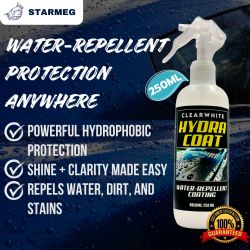
Traditional wax can give paint a warm gloss but usually needs more frequent reapplication. Synthetic sealants often last longer and are easier to spread. Hydrophobic spray coatings are a strong option for busy owners because they can add water-beading protection after washing with less effort. They are not magic armor, though. A coating will not stop stone chips, deep scratches, or damage from neglected contaminants.
Apply protection only to a clean, cool surface. If the paint feels rough even after a wash, bonded contamination may be present. In that case, a clay treatment or professional decontamination can make sense before applying protection. For a newer vehicle, regular washing and a simple spray protectant may be all that is needed. For faded or scratched paint, polishing may improve the finish, but it removes a small amount of clear coat and should be approached carefully.
Clear glass is a safety job, not a cosmetic extra
A streaky windshield becomes much more frustrating at night, in rain, or when headlights hit it from the opposite lane. Clean both sides of the glass, because interior haze from dashboard materials, air conditioning, and fingerprints can be just as distracting as exterior dirt.
Use a dedicated glass cleaner and a clean, low-lint microfiber towel. Spray the towel lightly rather than soaking the glass, then wipe in straight overlapping passes. Follow with a dry side of the towel or a second towel to remove residue. If streaks remain, the towel may be contaminated with dressing, wax, or fabric-softener residue.
Hydrophobic glass treatments can help rain bead and roll away, especially on the windshield and side windows. They work best on thoroughly cleaned glass and should be maintained as water behavior changes. Do not apply a glass coating where it could interfere with visibility, sensors, or wiper performance. Worn wiper blades should be replaced instead of expecting any treatment to compensate for torn rubber.
Restore trim and tires without the greasy look
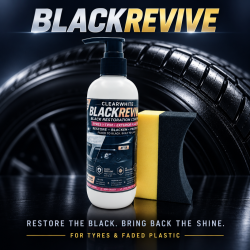
Faded black trim can make an otherwise clean vehicle look older than it is. UV exposure, heat, and repeated washing slowly pull the rich color from plastic and rubber. A trim restorer or protectant can bring back a darker finish while helping reduce future fading.
Preparation matters. Clean the trim first, let it dry, and apply a thin, even layer. More product is not better. Excess dressing attracts dust, creates uneven patches, and can sling onto paint once the vehicle moves. The same rule applies to tires. A clean tire with a satin finish usually looks better and is safer than a dripping, high-gloss coating that can transfer onto surrounding panels.
Keep tire dressing off tread surfaces. The tread is designed for traction, not shine. If product reaches the tread or brake components, wipe it away immediately.
Car care inside the cabin protects comfort and resale value
The interior takes daily abuse from shoes, food, drinks, pets, sunscreen, and small hands. Deal with spills promptly, especially on fabric seats and carpet. Blot liquids with a clean towel first. Scrubbing pushes the stain deeper and can spread it outward.
For fabric upholstery, use an appropriate stain remover in a hidden spot before treating a visible area. Follow product directions, avoid oversaturating the material, and allow the area to dry fully. For leather or leatherette, use a cleaner made for that surface and finish with a compatible conditioner or protectant when needed. Strong degreasers can leave these materials dry, slippery, or patchy.
Dashboard, door panels, and center consoles need a gentle interior cleaner and a microfiber towel. Avoid soaking buttons, screens, switches, and seams. A clean cabin should not smell heavily perfumed or feel oily. It should feel dry, comfortable, and easy to use.
Vacuum floor mats regularly, including under the seats where dust and snack debris hide. If you carry pets, children, sports gear, or wet umbrellas, keep a compact cleaning kit in the trunk. A microfiber towel, interior cleaner, glass cleaner, and a small stain treatment can save a seat or carpet before a spill sets.
Car care products work best when you use less, not more
A crowded shelf of random bottles is not a maintenance plan. Choose a small set of purpose-built products: a pH-balanced wash, wheel cleaner, glass cleaner, interior cleaner, paint protection, and trim or tire protectant. Add stain treatment if your car sees regular family, pet, or food-related messes.
Read compatibility guidance before using any treatment. Matte paint, satin wraps, aftermarket wheels, tinted windows, touchscreens, and leather interiors may need specialized products or gentler methods. Test a new cleaner on an inconspicuous area first, particularly if the vehicle is older or the material condition is uncertain.
Store products away from extreme heat and keep them out of reach of children and pets. Never mix chemical cleaners. The fastest result should never come at the cost of damaged surfaces or unsafe fumes.
A clean vehicle is easier to enjoy, easier to inspect, and easier to sell when the time comes. Set aside a few minutes after a messy trip, keep your towels clean, and treat protection as routine maintenance rather than a once-a-year rescue job.
Related Products