










-50x50.png "ClearWhite GlassRestore Pro | Polish Cermin Kereta | Car Glass Polish Watermark and Water Spot Remover | Polish Cermin Hadapan | Kesan Wiper")


-(1)-50x50.png "EziSac Lizard Repellent - Fast Acting Effective Natural Long-Lasting No Mess No Sticky Formula to Halau Cicak")

Car Detailing That Makes Daily Driving Feel New
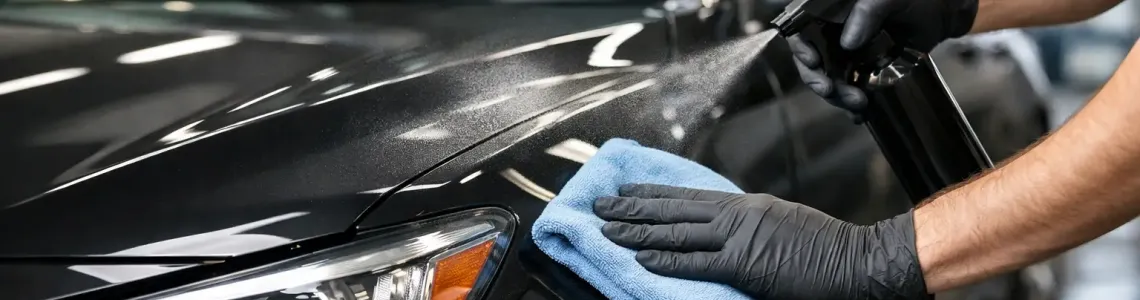
A sticky steering wheel, cloudy glass, dusty dashboard, and stained seats can make even a reliable car feel neglected. Car detailing is not just about chasing a showroom shine. It is a practical reset that removes grime where you touch, sit, look, and load groceries every day.
For busy vehicle owners, the goal is simple: clean the car properly, protect the surfaces that fade or stain fastest, and avoid spending money on products that do not match the job. You do not need specialist equipment for a strong result. You do need the right order, gentle techniques, and products made for automotive surfaces.
What Car Detailing Actually Covers
A basic wash removes loose dirt from the exterior. Detailing goes further by cleaning and treating the areas a quick wash misses: wheels, glass, interior touchpoints, fabric, plastic trim, door jambs, and protective exterior surfaces.
The difference shows up in daily use. Clean interior glass improves visibility at night and in rain. Properly treated trim looks less chalky and resists harsh sun exposure. Clean seats and floor mats reduce odors and keep dust from spreading through the cabin. A hydrophobic glass coating can help rain bead and move away more easily, although it does not replace careful driving or working wipers.
Detailing does not mean every car needs paint correction, machine polishing, or a full-day treatment. Those services can be useful for severe swirls, oxidation, or neglected paint, but a practical home routine often delivers the biggest improvement for the least effort.
Start With the Dirtiest Jobs First
A good car detailing session follows a simple rule: remove dry debris before adding water or cleaners. This reduces the chance of rubbing grit across paint, screens, or interior trim.
Begin by taking out trash, bottles, old receipts, and removable floor mats. Vacuum the seats, carpeting, door pockets, trunk, and the tight gap between the seat and center console. Use a soft brush attachment around vents and buttons rather than forcing a cloth into narrow spaces.
Move next to wheels and tires. Brake dust and road grime are often heavier here than anywhere else on the vehicle. Use a dedicated wheel cleaner that is compatible with your wheel finish, then work with a soft wheel brush. Do not use the same sponge or mitt on wheels and paint. Fine particles picked up from wheels can scratch exterior panels.
Wash the body only after the wheels are done. Rinse loose dirt away first, then use a car-safe shampoo and a clean microfiber wash mitt. Work from the roof downward because lower panels, bumpers, and rocker areas hold the most grime. Rinse often and avoid washing in strong direct sun when possible. Heat can dry product too quickly and leave water spots behind.
Clean the Cabin Without Making a Bigger Mess
The interior is where many well-meaning cleaning jobs go wrong. Too much liquid on fabric can leave water marks or a damp smell. Harsh cleaners can make dashboards shiny in the worst way, creating windshield glare and a slippery feel on steering wheels or pedals.
For plastic, vinyl, and rubber surfaces, spray your cleaner onto a microfiber cloth instead of directly onto the dashboard. Wipe door panels, the center console, cup holders, gear selector area, and steering wheel with controlled pressure. For seams, switches, and textured surfaces, use a soft detailing brush to lift grime before wiping it away.
Fabric seats and carpets need a different approach. Treat stains promptly, especially coffee, food, sunscreen, mud, or pet accidents. Blot fresh spills first. Do not scrub aggressively, because friction can push a stain deeper or damage fabric fibers. Apply a suitable upholstery or stain cleaner according to directions, work gently, then allow the area to dry fully with doors or windows open.
Leather needs restraint. Use a leather-safe cleaner, wipe away residue, and apply conditioner only when the material needs it. Over-conditioning can leave a greasy surface that attracts dust. If your seats are synthetic leather or coated upholstery, check the vehicle manual before using a dedicated leather product.
Do Not Forget High-Touch Surfaces
The steering wheel, door handles, seatbelt buckle, armrest, touchscreen surround, and window switches collect skin oils, hand cream, food residue, and everyday germs. These small areas make a cabin feel dirty quickly, even after a vacuum.
Use a gentle cleaner and a clean cloth, especially around screens and glossy piano-black trim. Never soak electronic controls. For touchscreens, use a soft microfiber cloth designed for delicate surfaces and avoid abrasive paper towels that can leave fine scratches.
Glass Is a Safety Job, Not a Cosmetic Extra
Streaky windshields are frustrating during the day and much worse when headlights hit them at night. Interior glass often develops a thin film from air fresheners, cabin materials, fingerprints, and moisture. Exterior glass picks up road grime, water minerals, and oily residue.
Clean interior and exterior glass separately using a dedicated glass cleaner and two clean microfiber towels. One towel applies and lifts grime; the second buffs away remaining moisture. Wipe in different directions on each side of the glass. For example, wipe vertically inside and horizontally outside. If you see a streak later, you will know which side needs another pass.
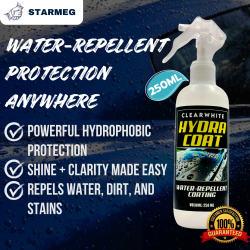
For drivers dealing with frequent rain, a hydrophobic glass treatment is a smart add-on after cleaning. It helps water form beads instead of spreading into a sheet across the windshield. Results depend on preparation, weather, wiper condition, and how often the vehicle is driven. Clean glass and healthy wiper blades still do most of the work.
Protect Paint, Trim, and Tires After Cleaning
Cleaning removes dirt. Protection slows down the return of dirt and helps surfaces handle sun, rain, bird droppings, and road film.
After washing and drying the vehicle with microfiber drying towels, apply a suitable paint protectant, spray wax, or sealant. A quick spray product is ideal for regular maintenance because it is easy to apply and does not demand hours of polishing. Longer-lasting coatings can offer stronger water repellency, but they require better surface preparation and more careful application. Choose based on how much time you can realistically maintain.
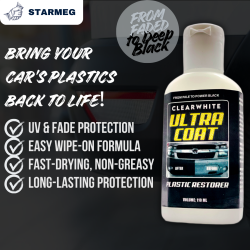
Exterior plastic trim deserves attention too. Faded black trim around mirrors, bumpers, and door edges can make a clean car look older than it is. A trim restorer or protectant can deepen the appearance and add UV resistance. Apply thinly and buff excess product. Heavy application may streak when it rains.
Tire dressing creates a finished look, but more shine is not always better. A clean satin finish usually looks better than an overly glossy tire that can sling product onto freshly washed paint. Let the product dry before driving.
A Realistic Car Detailing Schedule
A spotless car every weekend is not realistic for most households. A better plan is short maintenance between deeper sessions. Wipe spills and fingerprints when they happen, shake out mats weekly, and clean interior glass whenever haze affects visibility.
Aim for an exterior wash every two to four weeks, depending on where you park, weather conditions, and road use. Cars parked outdoors under trees or exposed to bird droppings may need more frequent attention. Bird droppings, tree sap, and insect residue should be removed as soon as possible because they can mark paint if left too long.
A deeper interior-and-exterior detail every three to six months is usually enough for a regularly used family car. If you transport pets, young children, sports gear, or food deliveries, plan on more frequent upholstery and odor control.
Common Mistakes That Cost More Later
The biggest mistake is using household cleaners without checking whether they are safe for vehicle surfaces. Strong degreasers, bleach-based products, rough scouring pads, and glass cleaners containing ammonia can damage tint, dry out trim, or leave surfaces dull.
Another common problem is using one dirty cloth everywhere. Microfiber towels are effective only when they are clean and assigned to the right task. Keep separate towels for paint, wheels, glass, and interior surfaces. Wash them after use without fabric softener, which can reduce absorbency and cause streaking.
Finally, do not apply protectants over dirt. A coating or dressing cannot fix a poorly cleaned surface. It can trap residue, streak, or fail early. Clean first, dry fully, then protect.
A well-kept car does not require complicated rituals. Build a small kit of surface-safe cleaners, microfiber towels, a wheel brush, a glass treatment, and protectants that match your vehicle's materials. With steady care, every drive starts with cleaner glass, fresher surfaces, and a vehicle that feels ready for the road.
Related Products

-250x250.png "ClearWhite GlassRestore Pro | Polish Cermin Kereta | Car Glass Polish Watermark and Water Spot Remover | Polish Cermin Hadapan | Kesan Wiper")