








Ceramic Coating Versus Sealant: Which Wins?
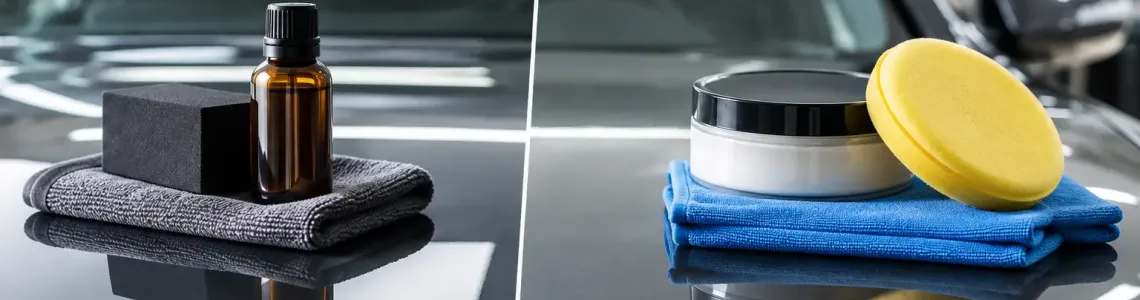
A freshly washed car can look excellent for a day, then lose its gloss after rain, highway dust, bird droppings, and harsh sun. That is why the ceramic coating versus sealant decision matters. Both products improve shine and water beading, but they do not offer the same lifespan, prep requirements, cost, or margin for application mistakes.
For most vehicle owners, the best choice is not the most expensive option. It is the one you can apply correctly and maintain consistently. A durable coating is wasted on paint that is never washed properly, while a quality sealant can be a smart, high-value answer for a daily driver that needs regular, simple protection.
Ceramic Coating Versus Sealant: The Real Difference
A paint sealant is a synthetic protective layer, usually polymer-based, that sits on top of your clear coat. It makes the surface smoother, glossier, and more resistant to water, road grime, UV exposure, and light contamination. It is generally easy to apply by hand, cures quickly, and gives a clean, polished result without specialist tools.
A true ceramic coating uses ingredients such as silicon dioxide, often called SiO2, to form a harder and more chemically resistant layer after curing. It bonds more tightly to the paint than a conventional sealant. This means better resistance to detergents, oxidation, bird droppings, tree sap, and environmental fallout when the coating is properly applied.
The catch is that ceramic coatings are less forgiving. Paint must be thoroughly washed, decontaminated, dried, and ideally polished before application. Any swirl marks, water spots, or dull patches trapped under the coating become harder to correct afterward. Coatings also need careful leveling so they do not leave high spots or uneven dark patches.
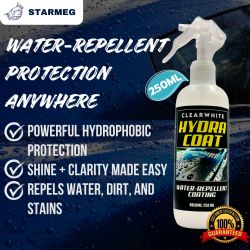
Do not confuse a ceramic spray with a full ceramic coating. Ceramic sprays are convenient maintenance products that add hydrophobic protection and shine, but they usually last months rather than years. They can be an excellent choice for busy owners, but their performance should not be compared directly with a professionally applied or high-grade DIY ceramic coating.
How Long Each Option Protects Your Paint
A good paint sealant commonly lasts around three to six months, depending on product quality, weather, parking conditions, wash routine, and how often the car is driven. Hot sun, frequent rain, strong car-wash chemicals, and neglected contaminants can shorten that window. The upside is simple: when the protection fades, you can wash, dry, and reapply it without a major project.
A quality ceramic coating may protect for one to five years, with some premium systems claiming longer under ideal care. That does not mean the car becomes maintenance-free. Ceramic coating is not a force field. It can still scratch, water spot, stain, and collect dirt. It simply makes routine washing easier and gives the paint a stronger defense against common damage.
For a vehicle parked outdoors every day, the longer life of ceramic coating can justify its higher upfront cost. For a car that is already washed and detailed several times a year, sealant may deliver better value because the owner is happy to refresh protection on schedule.
Shine, Water Beading, and Everyday Cleaning
Both options can produce impressive gloss. Sealants often give paint a bright, glassy, reflective look that makes a recently washed car feel instantly refreshed. Ceramic coatings can create a sharper, deeper finish, especially on well-corrected paint. The visible difference is often subtle compared with the difference made by proper washing and paint polishing.
Water behavior is where owners notice the biggest change. A coated or sealed surface causes water to bead or sheet away more readily. Less water remains on the panel, and dirt has a harder time sticking. This can reduce wash time, especially after light rain or dusty driving.
Still, water beading is not the only sign of protection. Very tight beads can dry into water spots if the car is left in direct sun. A protected car should still be rinsed promptly after bird droppings, sap, salt, fuel spills, or industrial fallout. Fast removal protects the finish better than relying on any coating alone.
When a Sealant Is the Better Buy
Choose a paint sealant when you want clear results without a difficult application process. It suits newer cars with decent paint, older vehicles that need a quick gloss boost, and drivers who prefer seasonal maintenance. Sealant is also a practical first step for anyone learning to care for paint properly.
It makes particular sense when your budget needs to cover more than paint protection. Tires, glass, trim, interior surfaces, and regular washing products all affect how clean and well-kept a vehicle looks. Spending wisely on a sealant plus a safe car shampoo, microfiber towels, and a dedicated glass treatment can give stronger everyday results than overspending on a coating and skipping basic maintenance.
Sealant is also easier to use on a car with minor defects. You should still clean and decontaminate the paint first, but you do not need showroom-level paint correction to get a noticeable improvement. Apply it thinly, let it haze or cure as directed, then buff it with a clean microfiber towel.
When Ceramic Coating Makes Sense
Ceramic coating is the stronger choice if you plan to keep your vehicle for years and want longer-lasting protection. It is especially useful for dark paint, high-mileage commuting, frequent outdoor parking, and cars exposed to intense sun, rain, dust, or road grime.
It is also worth considering after paint correction. If you have removed swirls, oxidation, and dullness, a ceramic coating helps preserve that freshly restored finish. This is the moment to protect the work, not after months of new contamination have built up.
Be realistic about the application environment. A coating should be applied in a clean, dry, shaded area with enough time for the product to flash and cure. Rushing the job in direct sun, on hot panels, or before incoming rain can create streaks and reduce durability. If you cannot control those conditions, a sealant or ceramic spray is the safer DIY purchase.
Prep Decides the Result More Than the Label
Whether you choose ceramic coating or sealant, preparation controls the final finish. Start with a thorough wash using a vehicle-safe shampoo. Remove bonded contaminants with a suitable decontamination product or clay treatment when needed, then dry every panel completely. Pay attention to mirrors, badges, door handles, and trim where water hides.
For ceramic coating, inspect the paint under good lighting. If you see swirls, stains, oxidation, or holograms, correct them first if possible. A panel wipe can remove polishing oils so the coating bonds directly to clean paint. Follow the product instructions exactly for application amount, flash time, leveling, and cure time.
For sealant, the process is more relaxed but clean paint still matters. Use a thin, even layer rather than piling on product. More product does not mean more protection. It usually means harder buffing, wasted material, and possible streaking.
Keep Protection Working After Application
Use gentle wash methods and clean microfiber towels. Avoid harsh household detergents, abrasive sponges, and automatic brushes that can scratch paint or strip protection. Wash contamination off sooner rather than later, especially bird droppings and tree sap.
A ceramic-safe maintenance spray can refresh slickness and water behavior on a coated vehicle. A sealant can be topped up when beading weakens or the paint no longer feels smooth after washing. Check the surface every few months instead of waiting until it looks neglected.
The right choice comes down to your car, your parking situation, and the maintenance you will actually do. Pick a sealant for affordable, repeatable shine or choose ceramic coating for longer protection after careful prep. Start with clean paint, apply the product patiently, and your vehicle will look better every time you pull into the driveway.
Related Products