








-50x50.png "ClearWhite GlassRestore Pro | Polish Cermin Kereta | Car Glass Polish Watermark and Water Spot Remover | Polish Cermin Hadapan | Kesan Wiper")


-(1)-50x50.png "EziSac Lizard Repellent - Fast Acting Effective Natural Long-Lasting No Mess No Sticky Formula to Halau Cicak")

Ceramic Shampoo Versus Car Wax - Which Works?
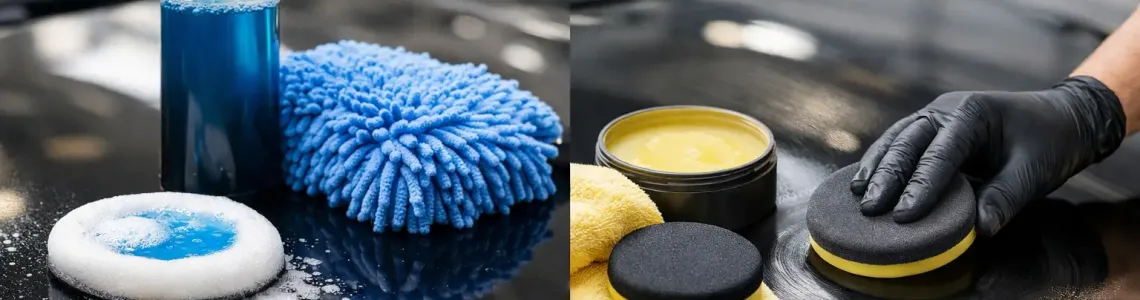
A freshly washed car can look great for a day, then lose its crisp shine after rain, road dust, or a quick drive through traffic. That is where the ceramic shampoo versus car wax question matters. Both can make paint look glossier and help water bead up, but they do very different jobs. Choosing the wrong one can leave you washing more often, wasting product, or expecting protection that was never there.
Ceramic Shampoo Versus Car Wax: The Core Difference
Ceramic shampoo is primarily a wash product. It is designed to lift away dirt, traffic film, and grime while depositing ceramic-style polymers, often silica-based ingredients, on the surface. These ingredients can boost gloss and water repellency during the wash process. Think of it as a cleaning step with a protection top-up built in.
Car wax is primarily a protective finishing product. Applied to clean, dry paint, it leaves behind a sacrificial layer that enhances shine and helps reduce the impact of water spots, dust, UV exposure, and light contamination. Traditional waxes often use carnauba, while synthetic waxes may use sealant-style polymers for longer life.
The simple answer is this: ceramic shampoo helps you wash and maintain, while car wax helps you protect. A ceramic shampoo is not the same as a professional ceramic coating, and it should not be expected to deliver years of durability. Likewise, wax will not clean neglected paint effectively. It works best after proper washing and drying.
What Ceramic Shampoo Does Well
Ceramic shampoo is a practical choice for drivers who want more from a regular wash without adding several extra detailing steps. A good formula produces lubricating foam, helping wash mitts move more safely over paint while carrying away loose grime. The ceramic-infused ingredients can then leave a slicker feel and a more noticeable water-beading effect.
That makes it especially useful for routine maintenance. If your vehicle already has wax, sealant, or a ceramic coating, a pH-balanced ceramic shampoo can help refresh the surface appearance between major protection applications. It is also handy when you want an easy wash-day shine before a weekend trip, family event, or car sale viewing.
The trade-off is durability. Ceramic shampoo protection is usually light and temporary because the product is rinsed off during the wash. Weather, frequent driving, strong detergents, and dirty roads can reduce its effect quickly. On some vehicles, the improvement may last several days; on cleaner, well-maintained paint, it can remain noticeable for a few weeks. Results depend heavily on the formula and how the car is used.
Ceramic shampoo is also not a cure for dull, oxidized, scratched, or heavily contaminated paint. It can improve the look of the surface, but it cannot remove swirl marks or restore damaged clear coat. For that, the paint may need decontamination, polishing, or professional correction before any protection product can perform well.
When Car Wax Is the Better Buy
Car wax makes more sense when your priority is a stronger, more deliberate layer of protection. Applied correctly, wax can create deep gloss, a smooth finish, and a barrier that makes routine cleaning easier. Dust and light dirt are less likely to cling tightly, while water rolls off more readily instead of sitting flat across the panel.
Wax is a smart option for vehicles parked outdoors, especially where sunlight, rain, bird droppings, tree sap, and road grime are regular problems. It is also useful before a long road trip or after you have spent time washing and polishing the paint. You are protecting the result of that work rather than relying on a quick wash additive.
The downside is effort. Most waxes need a clean, dry surface. You must apply a thin, even layer, allow it to haze if the instructions require it, and buff it off with a clean microfiber towel. That is not difficult, but it takes more time than washing with ceramic shampoo.
Durability varies widely. A basic carnauba wax may deliver warm gloss but need reapplication within weeks. A high-quality synthetic wax or sealant can last several months under good conditions. Washing technique matters too. Harsh dish soap, stiff brushes, and automatic car washes with aggressive chemicals can strip wax sooner.
Do You Need Ceramic Shampoo and Car Wax?
For many vehicle owners, using both is the most sensible approach. Wash with ceramic shampoo for regular cleaning and a quick hydrophobic boost. Then apply car wax periodically to create the protection layer that lasts longer. The shampoo supports the wax; it does not replace it.
This combination works particularly well for drivers who want visible results without turning car care into an all-day project. Start with a proper wash, dry the vehicle fully, and apply wax every few months or whenever water stops beading and the paint feels less slick. Use ceramic shampoo for your maintenance washes in between.
There is one caution: product compatibility matters. If your vehicle has a premium ceramic coating, check the coating maker's care guidance before using wax. Some coatings perform best with a dedicated coating-safe shampoo or ceramic maintenance spray. Adding the wrong wax can mask the coating's behavior or make it harder to judge whether the coating still works.
How to Choose Based on Your Car-Care Routine
Choose ceramic shampoo if you need a faster wash routine, want an easy boost in gloss and water beading, or already have paint protection in place. It is a strong choice for busy households where the car gets washed often but rarely receives a full detailing session.
Choose car wax if your paint needs a longer-lasting defensive layer, you park outside, or you want to preserve a freshly polished finish. Wax is also the better choice when your vehicle is exposed to tough everyday threats such as harsh sun, muddy rain, highway debris, and frequent contamination.
If your car has never been protected, do not apply wax over a dirty surface and expect great results. Wash first with a quality car shampoo, using a clean bucket, soft wash mitt, and microfiber drying towel. Do not use household dish soap, laundry detergent, or abrasive sponges on automotive paint. They can remove existing protection and leave fine scratches that make dark paint look hazy.
Application Mistakes That Reduce Results
Whether you choose ceramic shampoo or wax, technique can make the difference between a clean, glossy finish and a disappointing one. Avoid washing in direct sun when panels are hot. Soap and water can dry too fast, leaving streaks and water spots before you can rinse them away.
With ceramic shampoo, follow the dilution directions. Using extra product does not automatically mean extra protection. It can create more foam, waste shampoo, and leave residue if rinsing is poor. Wash from the top down, rinse thoroughly, and dry promptly with a clean microfiber towel.
With wax, thin coats win. A thick layer does not give double protection; it simply takes longer to cure and becomes harder to remove. Work on cool, dry paint, use a foam applicator, and buff gently with a separate microfiber towel. If the towel drags or the wax smears, the surface may be too hot, too wet, or carrying leftover contamination.
The Best Result Is a Consistent Routine
Ceramic shampoo gives you convenient wash-day gloss. Car wax gives you more durable paint protection. Neither product has to work alone, and neither can compensate for poor washing habits. Keep grit away from the paint, dry the vehicle before mineral spots form, and refresh your protection before the finish starts looking flat. A simple routine done regularly will keep your car looking sharper than an expensive product used once and forgotten.
Related Products

-250x250.png "ClearWhite GlassRestore Pro | Polish Cermin Kereta | Car Glass Polish Watermark and Water Spot Remover | Polish Cermin Hadapan | Kesan Wiper")