








-50x50.png "ClearWhite GlassRestore Pro | Polish Cermin Kereta | Car Glass Polish Watermark and Water Spot Remover | Polish Cermin Hadapan | Kesan Wiper")


-(1)-50x50.png "EziSac Lizard Repellent - Fast Acting Effective Natural Long-Lasting No Mess No Sticky Formula to Halau Cicak")

Charlie Ant Repellent: Keep Rove Beetles Away
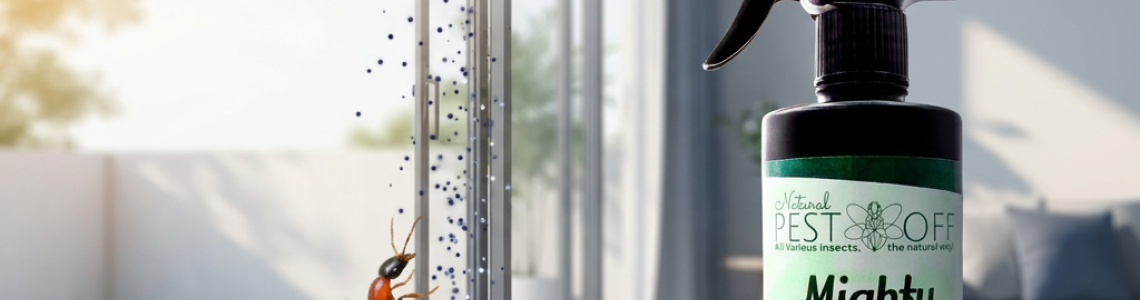
A Charlie ant repellent plan should start with one key fact: the insect often called a Charlie ant is not actually an ant. It is a rove beetle, and the biggest risk comes from crushing or brushing it against your skin. That contact can release an irritating fluid that may cause burning, redness, blisters, and uncomfortable streak-like marks. The practical goal is simple - keep these beetles out of living spaces, avoid direct contact, and reduce the lights and hiding spots that attract them.
What Is a Charlie Ant?
In many parts of Southeast Asia, "Charlie ant" commonly refers to a Paederus rove beetle. It has a narrow, elongated body and is often orange and black. Unlike biting insects, it does not need to bite or sting to cause trouble. The irritation happens when the beetle is accidentally squashed on skin, clothing, towels, or bedding.
Charlie ants are especially active around vegetation, damp areas, and outdoor lights. They may enter apartments, houses, dorms, and ground-floor spaces at night when bright indoor lighting draws them in. One beetle on a pillow, curtain, or bathroom wall can become a problem if it is swatted without thinking.
That is why the best approach is not just spraying. A useful Charlie ant repellent strategy combines light control, entry-point protection, careful removal, and targeted pest treatment where it makes sense.
Does Charlie Ant Repellent Actually Work?
It depends on what you expect it to do. A general household insect repellent or perimeter spray may help discourage crawling insects from resting around treated edges, but no spray can replace basic prevention when beetles are being pulled indoors by bright lights.
For skin, use only a personal insect repellent that is clearly labeled for skin application and follow its directions exactly. Products designed for mosquitoes or outdoor insects may be useful during evenings outside, but they should not be presented as guaranteed protection against Charlie ants. These beetles are best managed by preventing contact, not by relying on a skin spray alone.
For rooms and entryways, choose a pest-control product labeled for the intended surface and pest use. Never spray bedding, baby items, food-preparation surfaces, pet bowls, or children’s toys unless the label specifically says it is safe to do so. A fast-acting insect spray can be helpful for active insects around window frames or outdoor areas, while a repellent-focused treatment may suit entry zones and sheltered exterior surfaces.
Reduce the Light That Draws Them In
Bright white lights near open windows are one of the most common reasons Charlie ants appear indoors. You do not need to sit in the dark, but a few small changes can make a noticeable difference.
Close windows before switching on bright lights at night, especially if your home faces gardens, fields, drains, or dense landscaping. Keep curtains drawn where possible. If a balcony, porch, or corridor light is necessary, position it away from doors and windows rather than directly beside them.
Warmer, less intense lighting can also be worth trying in high-activity areas. The result will vary by property and season, but reducing the strongest light source near an open entry point is usually more effective than spraying inside every room.
Block Entry Points Before They Become a Problem
A Charlie ant is slim enough to enter through gaps that may not seem significant. Check window screens for tears, make sure sliding windows close fully, and inspect door sweeps and weather stripping. Pay attention to gaps around air-conditioner pipes, vents, cable openings, and balcony doors.
This is especially useful for homes that regularly see insects after rain or during humid periods. The fix can be simple: repair a screen, seal a small gap, or add a door sweep. Prevention costs less effort than handling beetles after they have reached bedrooms and bathrooms.
Keep window ledges, balcony floors, and exterior walls free of leaf piles, damp cardboard, and clutter where insects may rest. Trim back dense plants that touch the building. You do not need a bare yard, but clear airflow and a clean edge around the home make it less inviting for pests.
What to Do When You Spot One Indoors
Do not slap, crush, or brush a suspected Charlie ant with your bare hand. This is the moment that turns a minor sighting into skin irritation.
Instead, place a cup or container over it, slide a stiff piece of paper underneath, and release it outdoors away from doors and windows. You can also use gloves, tissue, or a tool to lift it carefully. If you use a vacuum, empty the container or dispose of the bag promptly so insects are not left inside the living area.
Check nearby soft surfaces if one is found in a bedroom. Look over pillows, blankets, curtains, laundry baskets, and towels before using them. Shake clothing and bedding that was left near open windows overnight. These quick habits matter most in homes where children may touch insects out of curiosity or pets may investigate anything that moves.
If a Charlie Ant Touches Your Skin
Act quickly, but do not panic. Wash the area gently with soap and plenty of water as soon as possible. Avoid rubbing or smearing the skin, since that can spread the irritating substance to a larger area. If the beetle was crushed on clothing, remove the item carefully and wash it before wearing it again.
Do not touch your eyes after handling the insect or contaminated fabric. If contact occurs near the eyes, rinse with clean water and seek medical advice promptly. For widespread blistering, severe pain, signs of infection, facial involvement, or symptoms that do not improve, consult a medical professional. Children, older adults, and anyone with sensitive skin should be monitored closely.
Home pest products are for controlling insects, not for treating a skin reaction. Keep those jobs separate: clean the skin first, seek medical guidance when needed, then address the insect entry route and attraction source.
A Practical Charlie Ant Prevention Routine
For recurring sightings, use a simple routine rather than reaching for multiple products at once. Start by managing lights and closing windows in the evening. Next, inspect screens and seals. Then clean exterior ledges and indoor window areas where insects gather.
If activity continues, apply an appropriate household pest-control treatment only to the areas allowed on the product label, such as exterior edges, cracks, or other specified entry zones. Follow drying times and ventilation instructions. Keep children and pets away until the treated area is safe according to the label.
Avoid over-spraying. Heavy indoor spraying may add odor and residue without solving the real cause, particularly when a bright open window is acting like an insect beacon. Targeted use, paired with physical barriers, is the smarter value choice.
Keep Bedrooms and Family Areas Protected
Bedrooms deserve extra attention because Charlie ant contact often happens when people are asleep or getting dressed. Make it a habit to keep beds slightly away from open windows when possible. Do not leave towels, pajamas, or baby clothes on window ledges or balcony rails overnight.
For families with pets, check pet bedding and sleeping corners near doors and windows. Pets may not show the same response as people, but they can carry an insect into the home or disturb one onto household fabrics. Regular vacuuming, closed screens, and quick checks before bedtime offer more reliable protection than a single spray application.
A good Charlie ant repellent setup is not about flooding your home with chemicals. It is about making your home harder to enter, less attractive at night, and safer to live in when an unexpected beetle appears. Start with the window nearest your brightest light tonight - that small change can prevent the next uncomfortable encounter.
Related Products