








-50x50.png "ClearWhite GlassRestore Pro | Polish Cermin Kereta | Car Glass Polish Watermark and Water Spot Remover | Polish Cermin Hadapan | Kesan Wiper")


Charlie Ant Repellent in Malaysia That Makes Sense

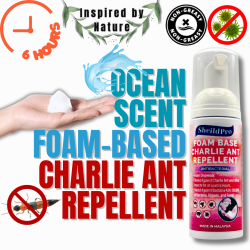
Charlie ant repellent in Malaysia is often searched after someone wakes up with a painful, streaky rash or spots a small orange-and-black insect near a bedroom light. The first thing to know is that the so-called Charlie ant is not actually an ant. It is a Paederus rove beetle, and the real risk is not a bite or sting. Trouble starts when the beetle is crushed against skin and releases an irritating toxin.
That distinction changes the best solution. A good home plan is not just about spraying insects. It is about reducing the beetles that enter, preventing accidental skin contact, and acting quickly if one lands on you or gets indoors. For Malaysian homes, especially during wetter periods and in areas near fields, drains, gardens, or bright outdoor lighting, small prevention habits can make a big difference.
Why Charlie Ants Enter Malaysian Homes
Paederus beetles are attracted to light. Porch lights, balcony lamps, bright white bedroom bulbs, and windows left open at night can pull them toward the house. They may be more noticeable after heavy rain, when surrounding vegetation is disturbed, or in neighborhoods close to agricultural land and undeveloped green spaces.
They do not normally seek people out. A Charlie ant may land on clothing, bedding, towels, curtains, or a wall because the area is lit and accessible. The danger comes from swatting, scratching, squeezing, or rolling over it while asleep. The toxin, called pederin, can irritate skin and cause Paederus dermatitis, often appearing as a red, burning, blister-like line within hours or the next day.
This is why a Charlie ant problem needs a contact-prevention approach, not the same treatment you would use for a trail of food-seeking ants.
What a Charlie Ant Repellent in Malaysia Should Actually Do
A useful repellent strategy focuses on keeping beetles away from entry points and reducing the conditions that attract them. There is no single household product that can guarantee every Paederus beetle stays away, particularly in a high-activity area. But combining a suitable insect repellent or perimeter treatment with light control and physical barriers gives your household a stronger result.
Look for products clearly labeled for crawling or flying insects, and always follow the directions for the intended surface. A household insect spray may help manage beetles found around window frames, balcony corners, exterior walls, and other likely entry areas. Do not spray bedding, pillows, clothing, food-preparation surfaces, toys, or a child's skin unless the label specifically says it is safe for that use.
Natural repellent options can be a reasonable choice for families who prefer a lighter approach around selected household zones. However, natural does not automatically mean safe to apply everywhere or effective in every infestation. Essential oil-based products may have strong scents, can affect pets, and may require more frequent application. Read the label, test a small hidden area if spraying a surface, and keep all pest-control products out of children's reach.
For indoor rooms, a practical approach is to use targeted treatment around entry points rather than filling the whole room with spray. The goal is to create a cleaner barrier strategy while minimizing unnecessary exposure for people and pets.
Stop the attraction before reaching for more spray
Lighting is often the biggest controllable factor. Switch off unnecessary exterior lights at night, especially lights nearest open windows and doors. If a light must stay on for security, consider moving it farther from entrances or using a warmer-toned bulb where appropriate. Close curtains or blinds so indoor light is less visible from outside.
Install or repair fine insect screens on windows, vents, and balcony doors. Check for torn mesh, gaps around air-conditioning piping, loose door sweeps, and windows that do not close tightly. These small fixes are often more valuable than repeatedly treating the same room.
Keep vegetation trimmed back from exterior walls and remove piles of leaves, cardboard, or damp debris near entrances. This will not eliminate Paederus beetles from the surrounding environment, but it reduces sheltered spots close to your home.
The Safe Way to Remove a Charlie Ant Indoors
If you see one on a wall, tabletop, or floor, do not crush it with your fingers, tissue, slipper, or bare hand. Use a cup and stiff paper to cover and remove it, or gently guide it into a container. If you use a household insect-control spray, apply it according to label directions and ventilate the area as instructed.
If the beetle lands on your skin, blow it off gently or flick it away without pressing it into the skin. Wash the area with soap and water afterward. Avoid rubbing your face or eyes until you have washed your hands.
Bedding deserves extra attention because accidental crushing happens most often during sleep. Before bed, close windows or ensure screens are secure, reduce nearby bright lights, and give sheets, blankets, and pillows a quick check. If you find a beetle on bedding, remove it carefully, then wash any potentially contaminated fabric. Do not shake sheets aggressively indoors, since that can spread the insect to another area.
What to Do If You Develop a Charlie Ant Rash
A Paederus rash can look alarming. It may cause redness, burning, itching, swelling, or blisters, sometimes in a line where the insect was brushed across the skin. It can also appear in mirror-image patches where two skin surfaces touched, such as the inner elbow, neck, or areas of the face.
Wash the affected skin promptly with soap and clean water. Avoid scratching, scrubbing, popping blisters, or applying random home remedies that may further irritate the area. Keep the skin clean and dry, and avoid touching your eyes after handling the affected area.
Seek medical advice promptly if the rash is severe, widespread, very painful, near the eyes, shows signs of infection, or affects a young child. Eye exposure needs urgent attention. A pharmacist or healthcare professional can advise on suitable treatment for irritation and inflammation based on the severity and location of the rash.
Do not assume every red rash is caused by Charlie ants. Mosquito bites, contact allergies, heat rash, shingles, and other skin conditions can look similar. When in doubt, particularly if symptoms are worsening, get professional medical guidance instead of self-treating for days.
A Practical Home Prevention Routine
For homes that regularly see Charlie ants, prevention works best as a routine rather than an emergency reaction. Check exterior lighting and window screens at the start of the rainy season. Treat suitable perimeter areas only with a product labeled for that use. Inspect bedrooms at night, especially rooms with windows facing gardens, fields, or bright outdoor lights.
In condominiums, the source may be a shared corridor, balcony, landscape area, or common lighting rather than your unit alone. Report repeated sightings to building management so they can inspect exterior lights, drainage areas, landscaping, and common access points. In landed homes, focus on the exterior wall, porch, window edges, roofline gaps, and garden growth nearest sleeping areas.
If you have babies, curious toddlers, cats, dogs, or birds at home, product placement matters as much as product choice. Keep treatments away from feeding bowls, litter areas, pet bedding, and children's play spaces. Use physical exclusion first wherever possible, then apply pest-control products carefully and only as directed.
Choose Prevention That Fits Your Home
The best Charlie ant repellent in Malaysia is usually a combination of smart lighting, screened entry points, clean outdoor edges, and correctly used pest-control treatment around the right areas. More spray is not always better. Targeted action gives you better control while keeping your home more comfortable for the people and pets living in it.
For recurring household pest concerns, Starmeg makes it easier to shop by the problem you want to solve, from insect repellents to practical cleaning essentials. Start with the entry points tonight, check the bedroom before sleep, and make your home a less inviting stop for Charlie ants.
Related Products