









Cockroach Bait Malaysia That Works at Home
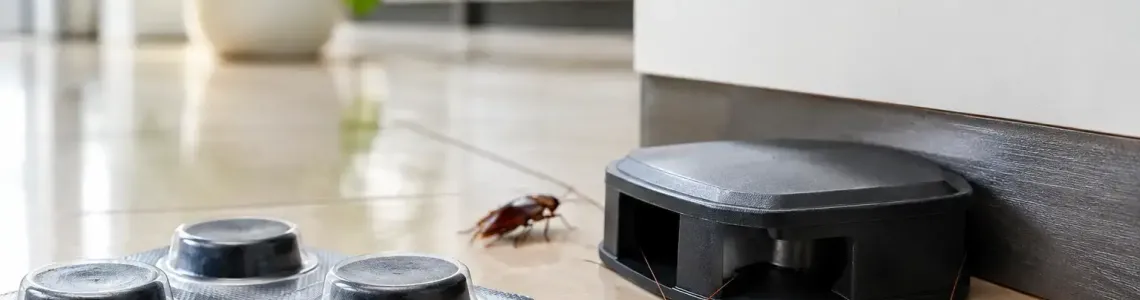
A cockroach sighting at night is rarely a one-roach problem. If you are shopping for cockroach bait Malaysia households can use effectively, the goal is not just to kill the insect you see. It is to carry the active ingredient back to the hidden nest, where roaches breed behind cabinets, under appliances, around drains, and inside wall gaps.
Sprays can deliver a fast visible knockdown, but bait is often the stronger long-game solution for an active infestation. Used correctly, it helps reduce the colony instead of simply scattering cockroaches into another corner of the home.
Why Cockroach Bait Works Differently From Spray
Cockroach bait combines an attractant with a slow-acting active ingredient. A roach eats the bait and returns to its hiding place before it dies. Other roaches may then contact droppings, regurgitated food, or the carcass, extending control beyond the first insect that fed.
That delayed action is a feature, not a weakness. A bait that kills instantly at the feeding point can stop the roach from returning to the harborage. For kitchens, pantries, apartments, and shared buildings where nests may be difficult to reach, this transfer effect matters.
Spray still has a place. Use it for immediate control when a roach runs across a visible surface, but avoid spraying directly over bait placements. Strong-smelling residues can repel roaches from the food source, leaving your bait untouched.
Choosing the Right Cockroach Bait in Malaysia
The best format depends on where roaches are active, how accessible that area is, and who shares the home. You do not need specialist equipment, but you do need a bait format that fits the space.
Gel bait for cracks and hidden corners
Gel bait is usually the most flexible option for targeted treatment. Apply tiny dots in concealed spots where cockroaches travel: cabinet hinges, beneath sink edges, behind the refrigerator, around pipe openings, and under the lip of a countertop. Small fresh placements are more attractive than one large blob that dries out.
Gel is especially useful when you see small roaches, which can indicate German cockroaches. They commonly stay close to food, warmth, moisture, and appliance motors. The trade-off is that gel must be applied carefully and kept out of reach of children and pets.
Bait stations for easier, protected placement
Enclosed bait stations are a practical choice for homes with curious children, pets, or limited access to hidden gaps. Place them under sinks, behind toilets, near trash areas, and alongside kitchen appliances. They are cleaner to handle and easier to remove when replacement is due.
A station may not fit into every tight crack, so it is less precise than gel. Still, it is a dependable option for routine control and for treating areas where loose bait is not suitable.
Granular bait for outdoor and utility areas
Granular baits can help around exterior entry points, storage spaces, utility rooms, and sheltered outdoor areas, depending on the label directions. They are useful when cockroaches are coming in from drains, garden edges, rubbish areas, or damp service zones.
Do not scatter any bait where rain, frequent washing, or food preparation will contaminate it. Moisture can spoil the bait quickly, while exposed locations may create unnecessary risk for pets and non-target animals.
Where to Place Cockroach Bait for Better Results
Roaches prefer tight, dark routes close to food and water. Think like a cockroach: it does not want to cross the center of a brightly lit room when it can move unseen along a wall, beneath a cabinet, or behind an appliance.
Start in the kitchen. Check under the sink, beside the stove, behind the refrigerator, near the microwave, along cabinet joints, and around the trash bin. In bathrooms, focus on vanity cabinets, floor drains, pipe penetrations, and gaps around plumbing. Laundry rooms, storerooms, and pet-feeding areas also deserve attention.
Place bait close to activity, not in the middle of an open floor. If you see droppings that look like black pepper, shed skins, egg cases, or live roaches after dark, those are useful placement clues. Use several small placements across active zones rather than relying on one bait point.
For best results, keep bait away from heavy grease, soap, standing water, and freshly sprayed insecticide. If the bait hardens, gets dirty, is eaten, or remains untouched for several days, replace or move it according to the product label.
The Cleanup Step That Makes Bait More Effective
Bait competes with every other food source in your home. A cockroach will not be as interested in a quality bait if it has easy access to greasy stove residue, overflowing trash, pet kibble left overnight, or crumbs below the toaster.
Clean food-preparation surfaces, wipe up spills, empty garbage regularly, and store dry goods in sealed containers. Fix dripping taps and dry the area around sinks before bedtime. These are not cosmetic chores - they make bait more competitive and make the space less livable for roaches.
Do not remove all bait simply because activity drops after a few days. A quieter kitchen can mean the treatment is working, but eggs may still hatch later. Continue monitoring and refresh bait as directed until you no longer see signs of activity.
Keep Children and Pets Safe
Every pest-control product needs careful handling, even when its design is made for home use. Read the label before opening it, follow the stated application rate, and use only in approved locations. More bait is not automatically better.
Keep gel bait and loose granules out of reach of children and pets. Choose enclosed bait stations for accessible areas, and place them where a child cannot pick them up or a pet cannot chew them. Never place bait on food-contact surfaces, inside cookware, or near pet bowls.
If you have a crawling baby, a food-motivated dog, or a cat that investigates every corner, focus treatment behind secured appliances, within locked cabinets, or in other inaccessible gaps. For a heavy infestation in a sensitive household, professional pest control may be the safer call.
Common Mistakes That Slow Down Cockroach Control
The first mistake is mixing too many products in the same spot. Foggers, strong sprays, and scented cleaners can drive roaches away from bait routes. Keep your treatment focused: clean the area, place bait where roaches travel, and reserve spray for isolated visible insects.
The second mistake is placing bait only after seeing a roach. By then, activity may already be spread across the kitchen or bathroom. Inspect connected areas and treat the likely travel routes.
The third is expecting one application to solve a long-running infestation overnight. Cockroach control usually takes patience because eggs and hidden harborages can keep the cycle going. Refresh the bait, reduce food and water sources, and seal cracks around pipes, cabinets, and wall edges once activity falls.
When Bait Alone May Not Be Enough
Bait is highly useful for many household infestations, but it has limits. If you see cockroaches daily during the daytime, find large numbers of droppings, notice a persistent musty odor, or live in a multi-unit property where pests travel between homes, the problem may require a coordinated approach.
In apartments and shared buildings, treating one unit can help, but roaches may return through plumbing routes, wall voids, or neighboring units. Report the issue early to property management and keep your own kitchen and bathroom treatment consistent.
For everyday household control, choose a bait format that matches the room, place it where roaches actually travel, and remove the food and moisture that keep them comfortable. Starmeg makes it easier to keep practical pest-control essentials alongside the cleaning supplies that support better results. Start with targeted bait placement tonight, then keep checking the hidden corners where roaches prefer to stay.
Related Products