









-50x50.png "ClearWhite GlassRestore Pro | Polish Cermin Kereta | Car Glass Polish Watermark and Water Spot Remover | Polish Cermin Hadapan | Kesan Wiper")


-(1)-50x50.png "EziSac Lizard Repellent - Fast Acting Effective Natural Long-Lasting No Mess No Sticky Formula to Halau Cicak")

A Cockroach Prevention Success Story That Lasts

A cockroach prevention success story rarely starts with a dramatic infestation. More often, it starts with two small roaches near the sink after dinner, a few dark specks inside a cabinet, and the uneasy feeling that something is moving when the kitchen lights go out. That was the situation in this case: a busy household had spotted German cockroaches several times over two weeks and wanted them gone before the problem reached the pantry, appliances, and bedrooms.
They did not solve it by spraying every surface once and hoping for the best. They solved it by cutting off the three things cockroaches need most: food, water, and hiding places. Targeted pest treatment handled the active problem. Simple routines made sure the problem did not return.
The first mistake: treating the sighting, not the source
The household's first response was familiar. They cleaned the visible counter, used a general insect spray near the sink, and threw away one open snack bag. The next night, another roach appeared near the dishwasher.
A single cockroach sighting does not always mean a major infestation. It can be one insect that entered through a drain opening, grocery bag, delivery carton, or gap around a pipe. But repeated sightings in the kitchen, especially at night, call for action. Roaches stay close to warmth, moisture, grease, crumbs, and tight dark spaces. A clean-looking kitchen can still offer all of those things behind the scenes.
The turning point came when the household stopped asking, “Where did we see the roach?” and started asking, “What is feeding and sheltering it?” That shift made every next step more effective.
Step 1: Find the cockroach hotspots
Before applying treatment, they inspected the places roaches prefer to hide. The goal was not to turn the home upside down. It was to check the high-value areas first: under the sink, behind the refrigerator, around the dishwasher, inside lower cabinets, near the trash bin, and around water pipes.
They found three clear issues. There was moisture under the kitchen sink from a slow drip. A thin layer of grease had built up in the narrow gap beside the stove. And cardboard packaging had been stored beside the pantry wall, creating a quiet, sheltered hiding place.
This matters because cockroaches do not need a large food spill to survive. A little grease, pet kibble left overnight, residue on a recycling bin, or water around a leaking pipe can support them. The most useful inspection is the one that reveals these small daily resources.
Signs that show where to focus
The household looked for droppings that resembled pepper-like specks, shed skins, egg cases, and a musty odor in enclosed areas. They also used sticky monitoring traps in hidden locations to confirm activity. Traps were not the whole treatment plan, but they gave a clear answer about where roaches were traveling and whether the population was declining.
The heaviest activity was under the sink and behind the refrigerator. That gave them a practical treatment zone instead of a vague need to spray the entire kitchen.
Step 2: Remove food and water every night
The strongest part of this cockroach prevention success story was not the pest-control product. It was the nightly reset. The family needed a routine realistic enough to repeat, even on busy weekdays.
After the last meal, they wiped counters and the stovetop with a suitable kitchen cleaner, swept crumbs from the floor edges, rinsed food containers before placing them in recycling, and took out kitchen trash when it contained food waste. Pet bowls were washed and dried overnight rather than left full on the floor.
They also dried the sink and the surrounding counter. This small detail made a major difference. Cockroaches can go much longer without food than without water, so a damp sink, dripping pipe, or wet dishcloth can keep an infestation going even when the kitchen is otherwise tidy.
The slow pipe leak was repaired, and a tray under the sink was checked each morning for any new moisture. Dish sponges and cloths were allowed to dry instead of sitting wet in a closed, warm area.
Step 3: Use targeted treatment where roaches travel
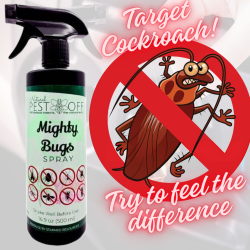
Once cleaning removed the easy food and water sources, the household used a cockroach control product designed for the target pest and followed its label instructions exactly. Treatment was placed in protected harborages and travel areas, not across food-preparation surfaces or in the middle of the floor.
This is where many households waste product. More spray is not automatically better. Broad spraying can miss hidden roaches, leave residue where it is not needed, and disturb insects so they move deeper into cracks. A targeted approach puts treatment close to the places roaches rest, feed, and travel.
For homes with children or pets, placement and label directions matter even more. Choose a product appropriate for the space, keep treatments inaccessible to children and animals, and never apply pest-control products to toys, pet bedding, food-contact surfaces, or open food storage. Ventilate when the product directions require it.
The household also avoided mixing products. Combining cleaners, insecticides, or home remedies can create safety issues and may reduce performance. One well-chosen method, used correctly and consistently, is stronger than a cabinet full of random solutions.
Why follow-up treatment mattered
Cockroach eggs and hidden nymphs can make a kitchen appear active again after the first treatment. That does not always mean the treatment failed. It may mean a new generation has emerged or roaches are being pushed out of a hiding place.
The family checked monitoring traps weekly and repeated treatment only according to the product label and the level of activity. Each week, fewer roaches appeared in the traps. By the third week, the kitchen had no nighttime sightings. By the sixth week, the monitors stayed clear.
That timeline is realistic. Light activity may improve quickly, while an established infestation can take longer and may require professional pest control. If roaches are appearing during the day, spreading beyond the kitchen, or returning despite careful cleaning and proper treatment, it is time to get expert help. Daytime sightings can indicate heavier competition for hiding spaces.
Step 4: Close the entry points that invite the next problem
Eliminating the roaches already inside is only half the job. Prevention means making it harder for the next one to enter and easier to notice it early.
The household sealed small gaps around pipes beneath the sink, added a door sweep where there was a visible gap, and kept window screens in good repair. Pantry goods moved from open bags and thin cardboard into tightly sealed containers. Delivery boxes were unpacked promptly instead of being stacked in the kitchen.
Cardboard is not automatically a cockroach problem, but it can be a useful hiding material when it sits for weeks near warmth or moisture. The practical rule is simple: bring in what you need, unpack it, and remove it from living areas quickly.
Apartment residents may need an extra layer of prevention because roaches can move through shared walls, utility gaps, and plumbing routes. In that case, report recurring activity early to the property manager and focus on sealing gaps inside your own unit. Good housekeeping helps, but building-level access points may need building-level action.
The routine that kept the kitchen clear
Months later, the household did not maintain a complicated cleaning schedule. They kept the habits that delivered results: dry the sink at night, store food securely, clear crumbs from floor edges, manage trash, inspect under the sink, and keep a monitor trap in a discreet location for early warning.
They also stopped waiting for a big problem before restocking household essentials. Keeping a reliable cleaner, trash bags, food-storage containers, and targeted pest-control solution available made the response faster when a risk appeared. Starmeg customers often shop this way because a ready-to-use solution beats a late-night panic purchase after pests have already settled in.
A pest-free kitchen is not about chasing perfection. It is about removing the small advantages cockroaches count on, then acting quickly when you see the first sign. Keep the sink dry tonight, check the hidden spaces this week, and give any new roach nowhere comfortable to stay.
Related Products