






-50x50.png "ClearWhite GlassRestore Pro | Polish Cermin Kereta | Car Glass Polish Watermark and Water Spot Remover | Polish Cermin Hadapan | Kesan Wiper")


-(1)-50x50.png "EziSac Lizard Repellent - Fast Acting Effective Natural Long-Lasting No Mess No Sticky Formula to Halau Cicak")

Complete Home Disinfection Guide That Works
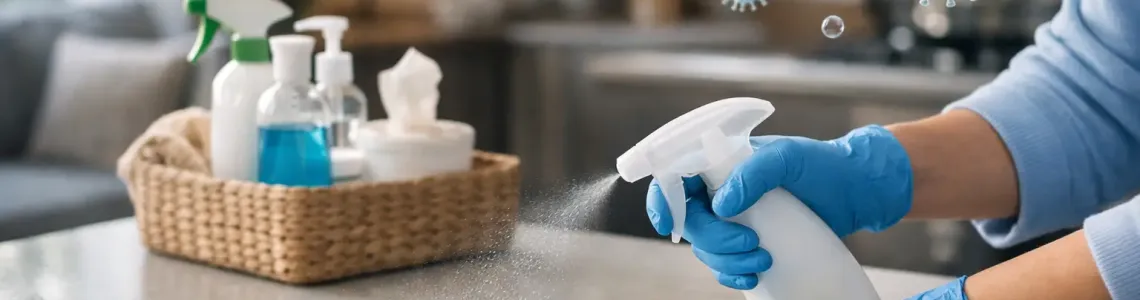
A sticky refrigerator handle, damp bathroom faucet, and phone passed around at dinner can carry more grime than a floor that simply looks dusty. A complete home disinfection guide is not about spraying every inch of your house every day. It is about targeting the surfaces that get touched most, using products correctly, and avoiding shortcuts that waste time and disinfectant.
For busy households, the goal is simple: clean the mess, kill germs where it counts, and keep the routine safe for children, pets, and the surfaces you paid to maintain.
Cleaning and disinfecting are not the same job
Cleaning removes visible dirt, grease, crumbs, and residue. Disinfecting uses a suitable product to reduce germs on hard, nonporous surfaces. If a counter is covered in food splatter or a bathroom sink has soap scum, disinfectant cannot perform well until that buildup is removed.
Start by cleaning the surface with soap and water or an all-purpose cleaner. Wipe away the loosened dirt with a clean cloth. Then apply your disinfectant according to its label directions. This two-step method matters most in kitchens, bathrooms, pet areas, and shared high-touch spaces.
Do not assume that a pleasant smell means a surface has been disinfected. Fragrance, foam, and shine may make a room feel clean, but germ control depends on the active ingredients, the surface type, and how long the product stays wet.
Build your complete home disinfection guide around touch points
You do not need to disinfect walls, curtains, and every cabinet door on a fixed schedule. Focus on what hands touch repeatedly, especially when someone in the home is sick, after visitors, following raw-food prep, or when caring for babies, older adults, or pets.
Entryways and living areas
Front-door handles, gate latches, light switches, remote controls, table tops, cabinet pulls, and shared electronics deserve regular attention. Wipe electronics with a product approved for that material, or apply disinfectant to a cloth rather than spraying directly into ports, buttons, or screens.
For upholstered sofas, rugs, and curtains, disinfection is not as straightforward. Most liquid surface disinfectants are designed for hard, nonporous materials. Vacuum fabric regularly, treat stains promptly, and use a fabric-safe product only when its label specifically supports that use.
Kitchen surfaces
Kitchen hygiene is about separating food messes from germ-control tasks. Clean counters after food preparation, then disinfect high-touch areas such as refrigerator handles, trash-can lids, faucet levers, dining tables, and appliance buttons.
Cutting boards need extra care. Nonporous plastic boards can generally be cleaned and disinfected according to the product label, while deeply scored boards may be harder to sanitize effectively. Replace boards with cracks, deep grooves, or persistent odors. Never use a disinfectant on food-contact surfaces unless the label allows it, and follow any required rinse step before preparing food.
Bathrooms and laundry areas
Bathrooms collect moisture, body oils, and frequent hand contact. Prioritize toilet flush handles, seats, faucet handles, sink rims, shower controls, door handles, and light switches. Clean first, then keep the disinfectant visibly wet for the stated contact time.
In the laundry area, wipe washer controls, dryer handles, hamper lids, and detergent bottle caps. Wash towels, bedding, and reusable cleaning cloths thoroughly, especially during illness. Letting damp laundry sit too long can create odor and microbial buildup, so dry it fully before storing.
Bedrooms, nurseries, and pet zones
Bedside tables, lamp switches, drawer pulls, and phone chargers are easy to miss. In nurseries, disinfect changing-table surfaces after cleaning up messes, but allow the area to dry fully before the baby uses it again. Keep products locked away and never rely on a product simply because it is labeled natural. Read the full directions and safety warnings.
For pet bowls, toys, crates, and litter-box surroundings, choose a product suitable for the item and rinse when required. Pets lick surfaces and chew toys, so “safe after drying” and “safe for food-contact items” are not interchangeable claims. Remove animals from the area while spraying, ventilate well, and do not return bowls or toys until they have been treated exactly as directed.
The label is your real instruction manual
The biggest mistake in home disinfection is treating every spray as an instant wipe-and-go cleaner. Most disinfectants need a specific contact time. That means the surface must remain wet for the number of minutes listed on the label. If you spray and wipe immediately, you may remove the product before it has done its job.
Check these four details before use:
- The surfaces the product is designed to disinfect, such as sealed counters, ceramic tile, plastic, stainless steel, or glass.
- The required contact time and whether you need to reapply product to keep the surface wet.
- Whether a rinse is required, especially for food-prep surfaces, pet items, and children’s high-chair trays.
- Safety directions for ventilation, gloves, storage, and use around children and animals.
More product is not always better. Flooding a surface can damage wood finishes, leave sticky residue, and create unnecessary fumes. Use enough product to cover the area evenly, then let the label do the work.
Choose products by surface, not by hype
A strong disinfectant is only useful if it matches the job. Alcohol-based products may be convenient for certain small hard surfaces and electronics when compatible. Disinfecting wipes are practical for quick touch-point cleaning, but they can dry out or become ineffective if you try to cover a large area with one wipe. Spray disinfectants work well for counters, bathrooms, and handles when used with the correct contact time.
Bleach-based products can be effective for suitable surfaces, but they can discolor fabrics, damage some metals, irritate skin, and produce harsh fumes. Never mix bleach with ammonia, acids, vinegar, toilet-bowl cleaner, or any other cleaning product. Mixing chemicals can release dangerous gases.
For wood, natural stone, unsealed grout, leather, painted finishes, and delicate electronics, check manufacturer care directions first. If you are unsure, test a small hidden area. A disinfectant that kills germs but ruins a countertop or leaves cloudy glass is not a household win.
A schedule that fits real life
Daily disinfection is useful for high-touch areas during cold and flu season, after illness, or in a home with many shared spaces. In a lower-traffic household, a few targeted sessions each week may be enough. The right frequency depends on who lives in the home, how often people come and go, and whether surfaces are exposed to food, pets, or sickness.
Use this practical rhythm: wipe obvious spills immediately; clean kitchen and bathroom surfaces as needed; disinfect common touch points several times weekly; and increase frequency when someone is ill. After handling raw meat, cleaning up pet accidents, changing diapers, or caring for a sick family member, clean and disinfect the affected area right away.
Keep separate cloths for kitchen and bathroom work, or wash reusable cloths after each use. A dirty sponge can spread grime from one surface to another, so replace it regularly or sanitize it only when the manufacturer’s directions allow. Color-coding cloths can make the system easier for everyone in the household to follow.
Avoid the shortcuts that spread messes
One cloth should not travel from the toilet to the kitchen sink. One disinfecting wipe should not clean an entire bathroom. And a surface should not be treated while it is still covered in grease or dirt. These shortcuts look efficient but can transfer contamination and reduce product performance.
Also resist over-disinfecting. Routine cleaning is enough for many low-touch areas, and unnecessary chemical use can leave residue or aggravate sensitive skin and respiratory conditions. Target the high-risk spots, choose the right formula, and use ventilation whenever sprays or strong-smelling products are involved.
A well-stocked cleaning cabinet makes consistency easier: an all-purpose cleaner, a surface-appropriate disinfectant, microfiber cloths, gloves, and separate tools for kitchen, bathroom, and pet cleanup. Starmeg’s solution-first approach can help simplify that restock, especially when you need targeted products rather than a shelf full of random sprays.
The best home hygiene routine is the one your household can repeat without guesswork. Keep the right products within reach, follow their labels, and give the surfaces that matter most the attention they deserve.
Related Products

