









-50x50.png "ClearWhite GlassRestore Pro | Polish Cermin Kereta | Car Glass Polish Watermark and Water Spot Remover | Polish Cermin Hadapan | Kesan Wiper")


Dust Mite Spray: What It Does and How to Use It
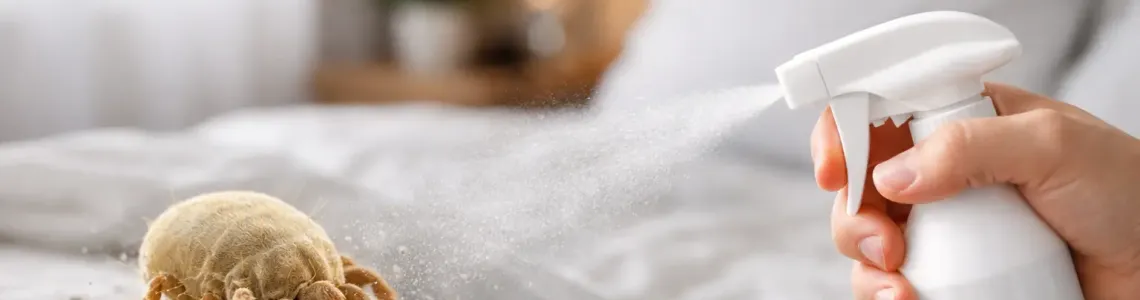
A dust mite spray can be a useful answer when bedding, sofas, and rugs seem clean but allergy symptoms keep showing up. These microscopic pests live where people and pets shed skin cells, especially in mattresses, pillows, upholstered furniture, and carpets. The issue is not usually the mite you can see - it is the allergen particles left behind in dust.
Used properly, a spray can help reduce allergen exposure between regular cleaning sessions. But it is not a substitute for washing sheets, vacuuming thoroughly, and controlling humidity. The best results come from treating the spray as one part of a practical bedding-hygiene routine.
What Dust Mite Spray Actually Does
Not every dust mite spray works the same way. Some formulas are designed to kill or control mites, while others are intended to neutralize or bind the allergens found in mite waste and body fragments. Read the product label closely so you know which benefit you are buying.
For households dealing with sneezing, itchy eyes, a stuffy nose, or allergy flare-ups after time in bed, allergen reduction is often the main goal. A surface may look freshly made, yet pillows and mattresses can still hold fine allergen particles deep in their fibers. Spray products are designed to reach these soft surfaces without soaking them, provided they are applied as directed.
There is a trade-off. A fast-acting spray can provide convenient targeted treatment, but it cannot remove years of dust, skin flakes, and debris by itself. If a mattress has never been cleaned, spraying alone will not deliver a complete reset. Vacuuming with a suitable upholstery attachment after the treated surface is fully dry may help remove loosened dust, depending on the product instructions.
Where to Use a Dust Mite Spray
Focus on the places that hold fabric, warmth, and dust. Mattresses are the obvious first target, but they are not the only one. Pillows, fabric headboards, comforters that cannot be hot-washed, upholstered chairs, sofas, curtains, pet bedding, and area rugs can all collect allergens.
Treat the surface, not the entire room. There is no value in spraying hard floors, painted walls, or tabletops for dust mites. On those surfaces, regular damp dusting and vacuuming are more direct solutions.
Before treating a large area, test the spray on a small hidden section of fabric. This matters most with delicate upholstery, dark fabrics, silk, suede, leather, and items with special cleaning labels. A product that is suitable for one fabric may not be appropriate for every material in your home.
Mattresses and pillows need extra attention
Your bed gets daily use, making it a high-priority area for allergen control. Strip the bed first. Wash sheets, pillowcases, and washable blankets according to their care labels, ideally using hot water when the fabric allows it. Let the mattress air out, then vacuum the top and sides before applying spray.
Hold the bottle at the distance stated on the label and apply an even, light mist. Do not drench the mattress. Over-wetting can leave fabric damp for too long, and moisture is the last thing you want trapped inside bedding. Allow the mattress to dry completely before adding clean sheets or sleeping on it.
Pillows deserve the same care, but check their filling and care tag first. Many pillows can be washed, while some foam, latex, or specialty pillows need surface-only treatment. Use a protective pillow cover and mattress encasement afterward to create an added barrier against dust and allergen buildup.
How to Use Dust Mite Spray Safely
The label is the working instruction, not a suggestion. It tells you where the formula can be used, how much to apply, whether pets and children should stay away during treatment, and how long the area needs to dry.
Start by opening windows or improving airflow where possible. Keep children, pets, and anyone with respiratory sensitivity away from the area while you spray and until the fabric is fully dry. Never spray directly onto people, animals, food, or skin unless the label specifically says the product is made for that use.
Avoid combining sprays with bleach, disinfectants, fragrance boosters, or other cleaning chemicals. More products do not automatically mean better results. Mixing household formulas can create irritating fumes, damage fabric, or leave a residue you did not intend to put where your family sleeps.
If someone in the home has asthma, severe allergies, or a known chemical sensitivity, choose products carefully and consider testing a small area first. A dust mite treatment can support a cleaner home environment, but persistent or serious symptoms should be discussed with a qualified health professional.
The Routine That Makes Spray Work Better
Spray is most useful when it fits into a repeatable routine. Think of it as maintenance for the soft surfaces you cannot put in the washing machine every week.
For most homes, wash bedding regularly, vacuum mattresses and upholstered furniture, and treat targeted surfaces when needed or according to the product label. If allergies are active, pets sleep on the bed, or the home has heavy carpeting, you may need more frequent attention. If your bedroom is dry, minimally carpeted, and protected with washable covers, less frequent treatment may be enough.
Humidity matters because dust mites thrive in warm, humid conditions. Aim to keep bedrooms well ventilated and address dampness from leaks, poor airflow, or condensation. Air conditioning, dehumidifying, and allowing laundry to dry fully can all help make the environment less favorable for mites.
A practical routine may include these four actions:
- Wash sheets and pillowcases regularly, following care-label guidance.
- Vacuum mattresses, rugs, and upholstered furniture with a machine that captures fine dust effectively.
- Apply dust mite spray to approved fabric surfaces and let them dry fully.
- Use washable protective covers for pillows and mattresses, then clean them routinely.
None of these steps is complicated, but skipping all but one makes the job harder. Clean covers protect the bedding you use. Vacuuming removes accumulated particles. Spray supports targeted control. Together, they tackle the problem more effectively than a single quick fix.
Common Mistakes That Reduce Results
The biggest mistake is spraying over dirty bedding and expecting the formula to do every job. Remove washable layers first, clean the surface, then apply the treatment where it is approved for use. This gives the product a better chance to contact the fabric rather than sitting on loose debris.
Another common issue is using too much. A heavy, wet application does not necessarily improve performance. It can extend drying time and may leave a noticeable residue on some materials. A light, even application is usually the better approach.
Do not forget the surrounding fabric items. Treating only the mattress while leaving unwashed pillows, a dusty fabric headboard, and pet bedding nearby may limit the improvement you notice. Start with the bed, then work outward to the soft furnishings that are used most often.
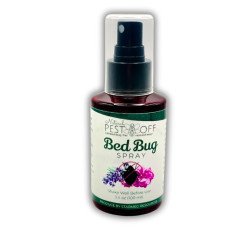
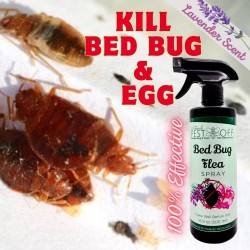
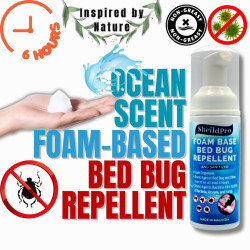
Finally, do not confuse dust mites with bed bugs. Dust mites are microscopic and do not bite. If you have visible insects, blood spots on sheets, clustered itchy bites, or signs of an infestation, you may need a bed bug-specific solution rather than a dust mite product. Choosing the right treatment saves time, money, and frustration.
Choosing the Right Spray for Your Home
Look beyond the front-label promise. Check the intended use, approved surfaces, drying instructions, fragrance level, and whether the formula targets mites, allergens, or both. For family homes, clear safety directions and easy application matter as much as performance claims.
A low-odor or fragrance-free option may be a better fit for bedrooms, nurseries, and households with scent sensitivity. If pets use the sofa or sleep near the bed, confirm the product's pet-use guidance before treating those areas. “Natural” does not automatically mean suitable for every child, pet, or fabric, so label directions still come first.
The right dust mite spray should make a regular cleaning routine easier, not create another complicated chore. Keep the bottle where you store bedding-care supplies, use it on the surfaces it is designed for, and give treated items time to dry. A cleaner, more comfortable bedroom often starts with those simple habits repeated consistently.
Related Products