









Flea Treatment That Stops the Cycle at Home
A single flea on the sofa can turn into a much bigger problem before you see it. Adult fleas bite, but eggs, larvae, and pupae can hide in rugs, bedding, floor gaps, pet sleeping areas, and car upholstery. That is why effective flea treatment is not one spray, one bath, or one vacuuming session. It is a focused plan that treats the pet, the home, and the places where fleas are most likely to return.
Why Fleas Keep Coming Back
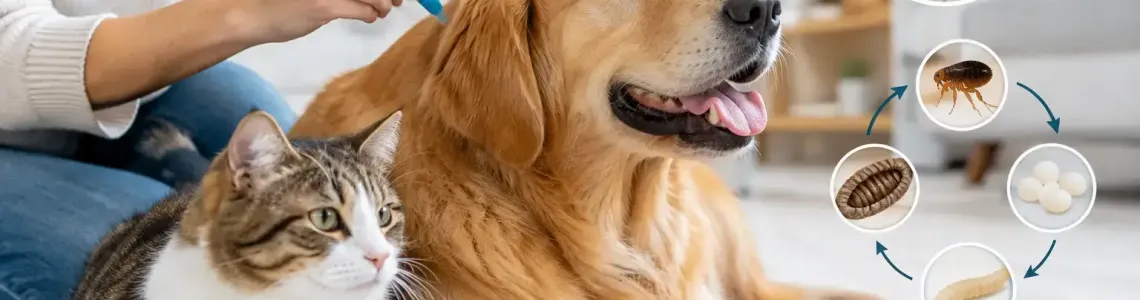
Fleas have a fast life cycle, and that is what makes them frustrating. Adult fleas live on animals and feed on blood. They lay eggs that fall into the surrounding environment, especially wherever your pet rests. Those eggs become larvae, then pupae protected inside cocoons.
The cocoon stage is the reason a room can seem flea-free for days, then suddenly have new adults hopping around. Many household products kill visible adult fleas but do not reach every developing stage at once. A practical flea plan uses repeat treatment and regular cleaning to break that cycle.
It also matters where the fleas started. If a dog or cat picks them up outdoors, treating the living room alone will only provide short-term relief. If wildlife, stray animals, or an untreated pet has access to a porch, yard, garage, or shared building area, fleas may keep finding a way back indoors.
Flea Treatment Starts With Your Pet
If your pet has fleas, pet treatment is the first priority. Use a flea-control product made specifically for that animal's species, age, weight, and health condition. The label directions matter. A product intended for dogs may be dangerous for cats, and using more than the stated dose will not make it work faster.
Talk to a veterinarian before choosing treatment for very young, elderly, pregnant, nursing, or medically sensitive pets. This is especially useful when a pet has skin irritation, heavy flea burden, or a history of reactions to topical products.
Comb your pet with a fine-tooth flea comb, focusing on the neck, lower back, belly, and base of the tail. Drop anything caught in the comb into soapy water. This gives you a quick view of whether treatment is working, while removing some adult fleas right away.
Do not stop at the one pet that is scratching. In a multi-pet household, every suitable pet usually needs treatment at the same time. Otherwise, fleas can simply move to the untreated animal and restart the problem.
Watch for Flea Allergy Signs
Some pets react strongly to even a few bites. Constant scratching, red skin, scabs, hair loss, or chewing near the tail can point to flea allergy dermatitis. Pale gums, weakness, or lethargy may signal anemia in severe infestations, particularly in small puppies and kittens. Seek veterinary care promptly if you notice these symptoms.
Treat the Home Where Fleas Actually Hide
The visible flea is only part of the issue. Most developing fleas are in the environment, not on your pet. Target the places where your pet sleeps, plays, sheds fur, or spends time after coming indoors.
Start by vacuuming thoroughly. Go slowly across carpets, rugs, pet beds, upholstered furniture, cracks near baseboards, under furniture, and vehicle interiors if your pet rides in the car. Vacuuming does more than remove debris. It picks up eggs and larvae and can encourage adult fleas to emerge from cocoons, making follow-up treatment more effective.
Empty the vacuum canister outside immediately, or seal and dispose of the bag. Leaving flea debris in an indoor trash can defeats the purpose.
Wash pet bedding, throws, washable cushion covers, and nearby blankets in the hottest water the fabric can safely handle. Use a high-heat dryer setting when the care label allows. Items that cannot be washed should be vacuumed carefully and treated only with a product labeled for that material.
For carpets, floor edges, upholstery, and pet resting zones, choose an indoor flea product that clearly states where it can be used and which flea stages it controls. Products with an insect growth regulator can be useful because they interfere with the development of immature fleas. A fast-acting adult flea spray can reduce active insects, but repeat use may still be needed as new adults emerge.
Never apply an indoor pest spray directly to your pet unless the product label specifically says it is a pet treatment. Keep children and pets away from treated areas until surfaces are fully dry and the label's re-entry guidance is met. Ventilate the room as directed.
A Simple Flea Treatment Schedule
One intense cleaning day makes a difference, but consistency is what ends the infestation. For the first two weeks, vacuum high-risk areas every day or every other day. Wash pet bedding at least weekly, and more often if the infestation is heavy.
Follow the timing on your pet flea product and home-treatment label. Many treatments are designed for a specific repeat interval, often because pupae can survive the first round. Do not mix products or reapply early just because you spot a flea. Give each product time to work, then use the label schedule to guide the next step.
Seeing a few fleas after initial treatment does not automatically mean the product failed. Newly emerged adults may still appear from existing cocoons. The key question is whether activity steadily drops over the next several weeks. If it stays the same or gets worse, check for missed areas, untreated animals, or an outdoor source.
Do Not Forget Outdoor Hotspots
Fleas prefer shaded, humid spaces over open sunny grass. Check under decks, along fences, beneath shrubs, in covered patios, around pet houses, and near outdoor bedding. Clear leaf piles, excess clutter, and dense ground cover where flea hosts may rest.
Keep pet sleeping areas dry and clean. If your pet spends time outside, wash outdoor bedding and use a veterinary-approved preventive treatment consistently. Outdoor flea products can help in targeted areas, but broad spraying across an entire yard is not always necessary or the best first move. Focus on the shaded zones where pets and wildlife actually spend time.
If you suspect raccoons, feral cats, rodents, or other animals are bringing fleas close to the house, reduce food sources and block access where practical. Do not handle wildlife yourself.
Common Flea Control Mistakes That Waste Time
The biggest mistake is treating only the pet or only the room. Flea control works when both are handled together. Another common problem is skipping follow-up cleaning once bites stop. Eggs and cocoons may still be present, so keep the routine going through the expected treatment window.
Avoid relying on home remedies as the main answer for a serious infestation. Some essential oils and DIY mixtures can irritate pets, damage surfaces, or provide inconsistent control. A clearly labeled flea treatment product, used according to directions, is the safer and more dependable route.
Also resist the urge to use multiple insecticides at once. More chemicals do not necessarily mean better results. Combining products incorrectly can create unnecessary exposure for people and pets while making it harder to identify what is working.
When to Call a Professional
Professional help makes sense when fleas continue for several weeks despite correct pet treatment, repeated vacuuming, laundering, and properly labeled home products. It is also a smart choice for severe infestations, large properties, shared housing, or situations involving wildlife access.
Before booking service, tell the pest professional what pet treatments and household products you have already used. This helps them recommend a compatible plan and prevents accidental over-treatment.
A flea-free home is built through steady action, not panic spraying. Treat every pet appropriately, clean the spaces fleas use, follow product directions, and stay with the routine long enough to catch the next wave before it can start another cycle.
Related Products