








Floor Cleaner Versus Dish Soap: What Works?
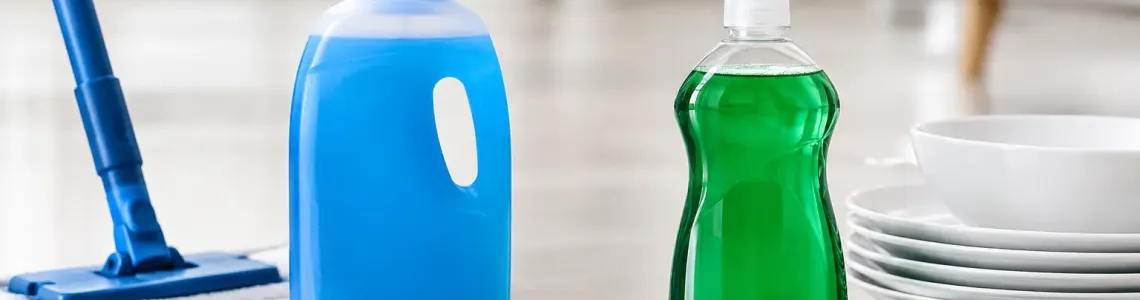
A shiny kitchen floor can look clean right after mopping, then feel tacky under bare feet by lunchtime. That is the real issue behind floor cleaner versus dish soap: both can lift everyday grime, but they are designed to leave very different results behind. Dish soap is made to cut food grease and rinse away from plates. Floor cleaner is made to clean a large surface without leaving a film that attracts more dust, marks socks, or interferes with the floor finish.
For a quick emergency cleanup, a tiny amount of dish soap may be useful on the right sealed surface. For regular mopping, though, the product choice matters more than most households realize. Using the wrong cleaner too often can turn a simple cleaning job into dull-looking tiles, hazy laminate, slippery patches, or a robot mop that needs extra rinsing.
Floor Cleaner Versus Dish Soap: The Key Difference
Dish soap is deliberately high-performing on oils. It creates foam, breaks down greasy residue, and helps food particles release from smooth dishes and cookware. That is exactly what you want at the sink. It is not automatically what you want across an entire living room or hallway.
A purpose-made floor cleaner is formulated for the surface, the cleaning method, and the amount of product that stays behind after mopping. Many are low-foam or no-rinse formulas. They aim to lift tracked-in dirt, light grease, footprints, and everyday stains while drying cleanly. The right formula can also help preserve the look of coated tile, vinyl, laminate, or sealed wood.
This does not mean every bottle labeled floor cleaner works for every floor. A strong degreaser intended for garage tile may be too harsh for wood. A wood-floor product may not be the best choice for a greasy kitchen. Read the label for surface compatibility, dilution instructions, and whether rinsing is needed.
Why dish soap can leave floors feeling sticky
The problem is usually not one drop of dish soap. It is using too much, especially in a bucket with limited rinse water. Soap residue can remain on the floor after the water evaporates. That thin film traps dust and makes fresh footprints more visible, so the floor seems dirty again much sooner.
Extra dish soap also creates more suds. Foam makes it harder to see how much cleaner is actually on the floor and can lead to repeated passes with a wet mop. On laminate, wood, and other moisture-sensitive materials, too much water is a bigger risk than a missed speck of dirt. Water can seep into joints, edges, and damaged coatings, causing swelling, lifting, or discoloration.
For homes with young children, older adults, or energetic pets, residue matters for another reason: it can make smooth flooring unexpectedly slick. A floor should feel clean, not slippery.
When Dish Soap Is Acceptable on a Floor
Dish soap has a limited role in floor care. It can help spot-clean a small greasy mark on sealed ceramic tile, porcelain tile, or fully sealed vinyl when a dedicated floor product is unavailable. Think cooking oil near the stove, a greasy shoe print, or a pet-food spill.
Use the smallest practical amount, heavily diluted in warm water, and wipe the area with a clean damp cloth afterward. Do not pour dish soap directly onto the floor. Do not use it as a daily mop solution. If the cleaned spot feels slick or looks streaky once dry, wipe again with plain water and dry it with a clean towel.
Dish soap is a poor choice for unsealed stone, waxed floors, unfinished wood, and most laminate flooring. It should also be avoided in steam mops, spray mops with refillable tanks, and robotic wet cleaners unless the appliance manufacturer specifically allows it. Suds and residue can clog internal parts, confuse water-flow systems, and leave streaks across the cleaning path.
Choose Floor Cleaner by Surface, Not by Scent
A fresh fragrance may make a room feel cleaner, but surface compatibility is the first filter. Your floor type determines the safest cleaner and the amount of moisture it can handle.
Tile and grout
Ceramic and porcelain tile are durable, but textured tile and grout hold dirt. A tile-safe floor cleaner helps remove the gray film that builds up in entryways, kitchens, and bathrooms without relying on excessive soap. For greasy kitchen floors, choose a cleaner that states it cuts grease and follow the dilution ratio closely.
Natural stone is different. Marble, travertine, limestone, and some slate can be damaged by acidic or highly alkaline cleaners. Use a stone-safe, pH-balanced product and avoid experimenting with dish soap, vinegar, or strong bathroom chemicals. A costly stone floor deserves a product designed to respect its finish.
Laminate and vinyl
Laminate flooring needs a low-moisture approach. Use a cleaner labeled for laminate or hard floors, apply it sparingly, and mop with a well-wrung microfiber pad. Never flood the floor. Dish soap can leave haze on laminate, while standing water can work into seams.
Luxury vinyl plank and vinyl tile are more water-resistant, but they still benefit from a residue-free cleaner. Abrasive powders, harsh solvents, and overly concentrated soap can affect the protective wear layer. When the floor starts looking cloudy, the answer is usually less product and a better rinse, not more scrubbing.
Hardwood and engineered wood
Wood flooring requires the most caution. The cleaning method depends on whether the wood is sealed, waxed, oiled, or finished with a modern coating. Use a cleaner specifically approved for your floor finish, keep the mop barely damp, and dry any visible water quickly.
Dish soap can be especially risky on wood because it encourages repeated wet mopping to remove suds. It may also leave a residue that makes the finish look dull. If you are unsure what finish is on the floor, test any cleaner in a hidden corner first.
How to Mop for a Clean, Residue-Free Finish
The best floor cleaner will still disappoint if it is used in a dirty bucket or applied too heavily. Start by vacuuming or sweeping. Grit and loose crumbs can turn mopping into a streaky mess and may scratch glossy surfaces.
Mix only the amount of cleaner stated on the label. More concentrate does not mean more clean. It usually means more residue, more rinsing, and more wasted product. Use a microfiber mop because it picks up fine dirt efficiently and holds less excess water than a soaked string mop.
Work in small sections, especially on wood and laminate. If the mop pad starts looking gray or feels loaded with dirt, rinse or change it rather than spreading dirty water farther across the room. Let the floor dry fully before replacing rugs, moving furniture, or allowing pets to run across it.
For sticky spots, treat the mark before mopping the whole floor. Apply the appropriate cleaner to a cloth or mop pad, allow a brief contact time if the label permits, then wipe. This targeted approach reduces the need to overuse detergent across the entire space.
What About Robot Mops and Wet Cleaners?
Robot mops and wet-cleaning machines need compatible, low-foam solutions. Regular dish soap is not a substitute for a robotic-cleaner detergent. Even a small amount can create foam inside the tank, leave streaks, and cause buildup in the machine's water channels or pads.
Use the detergent recommended for the appliance or a compatible low-foam cleaner intended for automatic floor-cleaning systems. Follow the product ratio precisely. If your robot leaves dull tracks, first clean its pad, empty and rinse the tank, and check whether the cleaner has been overdosed. The machine is designed for controlled cleaning, not a sink-full of suds.
A Cleaner Floor Without More Chemicals
Sometimes the fix is technique, not a stronger bottle. Reduce dirt at the door with mats, clean up cooking splatters before they harden, and use a separate mop pad for bathrooms if possible. These small habits keep grime from traveling through the house and reduce how often you need a deep mop.
If you notice persistent stickiness after using dish soap, mop once with clean water using a fresh microfiber pad, then allow the floor to dry. After that, return to a surface-appropriate floor cleaner for routine care. The difference is often visible after one proper clean: clearer shine, fewer streaks, and less dust clinging to the floor.
Choose the cleaner for the floor in front of you, not the bottle closest to the sink. A targeted floor formula, used at the right dilution, keeps everyday cleaning fast and helps your home stay comfortable under every bare foot, paw, and busy pair of shoes.
Related Products
