









Glyphosate Weed Killer: Exploring the Debate, Risks, and Alternatives
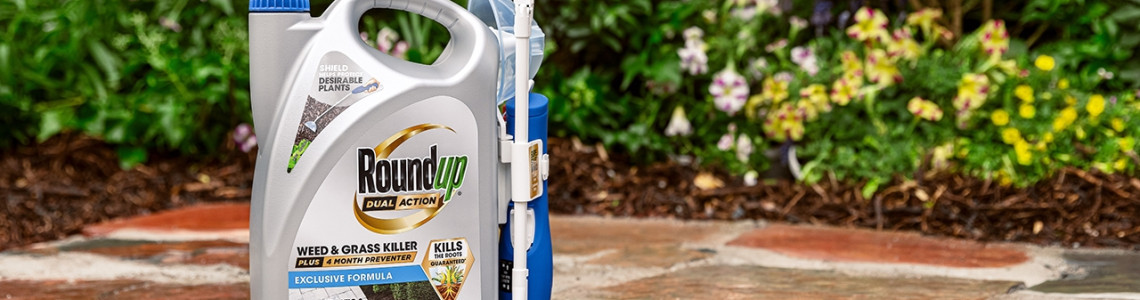
Glyphosate, a widely used weed killer, has sparked debates over its safety and environmental impact. This article aims to shed light on the controversy surrounding glyphosate, its potential risks, and alternative options available.
Understanding Glyphosate:
Glyphosate is a herbicide commonly found in products like Roundup. Farmers, gardeners, and homeowners use it to control unwanted plants. It works by inhibiting a specific enzyme found in plants, disrupting their growth.The Debate:
Risks Associated with Glyphosate:
2. Environmental Impact: Glyphosate can enter water sources and affect aquatic life. There are also concerns about its impact on soil health and biodiversity.
3. Resistant Weeds: Prolonged use of glyphosate has led to the development of glyphosate-resistant weeds, posing challenges for effective weed control.
Alternatives to Glyphosate:
2. Mulching: Covering the soil with mulch helps suppress weed growth, conserves moisture, and improves soil health.
3. Natural Herbicides: Some natural herbicides, made from non-toxic ingredients, are available as alternatives to glyphosate.
4. Integrated Pest Management (IPM): IPM combines various strategies, such as biological control and crop rotation, to manage pests and weeds sustainably.
Glyphosate has been a widely used herbicide, concerns about its potential risks have led to a growing interest in alternative weed control methods.
It's essential for individuals to stay informed, consider the potential risks, and explore environmentally friendly alternatives for effective weed management. As the debate continues, a balanced approach that prioritizes both human health and environmental sustainability is crucial.