








-50x50.png "ClearWhite GlassRestore Pro | Polish Cermin Kereta | Car Glass Polish Watermark and Water Spot Remover | Polish Cermin Hadapan | Kesan Wiper")


Home Pest Control Guide for Fast, Safer Results
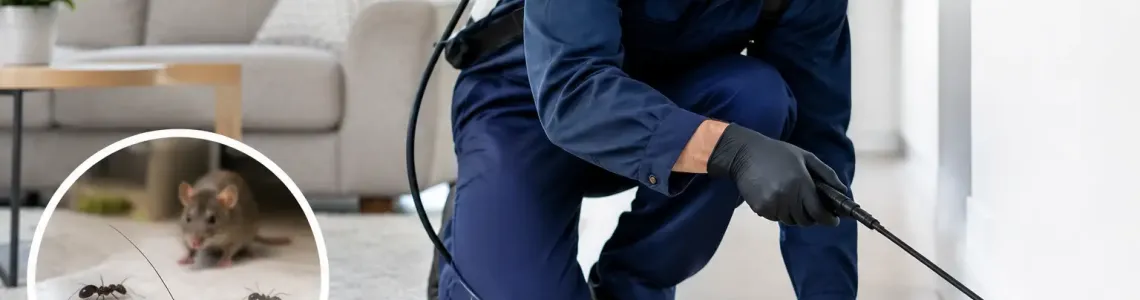
A single cockroach in the kitchen, mosquito bites after sunset, or a flea jumping on the sofa can make a clean home feel out of control fast. This home pest control guide gives you a practical way to identify the problem, remove what is attracting pests, choose the right treatment, and prevent the next round without turning your home upside down.
Home Pest Control Guide: Start With the Pest, Not the Spray
The fastest way to waste money is to use one product for every pest. Ants follow scent trails. Cockroaches hide near water and food. Fleas need a host and can keep developing in carpets and pet bedding. Bed bugs stay close to where people sleep. Each problem needs a different response.
Before treating, check where activity is happening, when you see it, and what evidence is left behind. Look under sinks, behind appliances, along baseboards, around bins, in pet sleeping areas, and near windows or doors. A small inspection helps you treat the source instead of only the pests you can see.
Use these signs to narrow down the issue:
- Ants usually travel in visible lines toward food, moisture, or a gap in the wall.
- Cockroaches leave dark pepper-like droppings, shed skins, and a musty odor in heavy infestations.
- Fleas create itchy bites around ankles and may be visible in pet fur, rugs, or upholstery.
- Bed bugs leave tiny dark spots, shed skins, and itchy bite clusters near beds, seams, or furniture.
- Mosquitoes gather where standing water, shaded areas, and access indoors come together.
If you cannot identify the pest, avoid applying a broad spray everywhere. Start with cleaning and exclusion, then use a targeted product labeled for the pest and the exact place you need to treat.
Remove Food, Water, and Shelter First
Pest control works better when the home stops offering easy meals and hiding places. This is not about keeping a showroom-perfect house. It is about fixing the few conditions pests use every day.
Wipe counters after food preparation, sweep crumbs from floors, and store dry goods in sealed containers. Rinse recyclable cans and bottles before placing them in the bin. Take garbage out regularly, especially when dealing with roaches, ants, or flies. Pet food is another common attraction, so avoid leaving it down overnight when possible.
Water control matters just as much. Repair drips under the sink, dry wet dishcloths, and do not let water collect in trays, buckets, plant saucers, or bathroom corners. Cockroaches can survive much longer without food than without water. Mosquitoes can breed in surprisingly small amounts of standing water, including clogged drains and outdoor containers.
Clutter creates shelter. Clear cardboard stacks, unused bags, and crowded storage zones near walls. Vacuum carpets, upholstery, bed frames, and cracks along baseboards. For fleas and bed bugs, vacuuming is not a complete treatment, but it reduces eggs, larvae, shed skins, and hiding places. Empty the vacuum outside immediately after use.
Choose the Right Home Treatment
Once you know the pest and have cleaned the area, choose a method that matches the location and level of activity. Product labels matter. They tell you where a product can be used, how much to apply, how long to keep people and pets away, and whether a follow-up application is needed.
Ants and cockroaches
For ants, find and clean the trail first. A targeted bait can work well because foraging ants carry it back to the colony. Spraying only the ants you see may scatter them or leave the colony untouched. Keep baits away from children, pets, and food-preparation areas, and do not spray directly over a bait placement unless the label specifically allows it.
For cockroaches, focus on cracks, cabinet hinges, pipe openings, behind refrigerators, and under sinks. Baits are useful in protected areas, while crack-and-crevice treatments can help reduce active harborage zones. Avoid foggers as a default solution. They often fail to reach the narrow spaces where roaches hide and can spread residue across unnecessary surfaces.
Mosquitoes, flies, and lizards
Mosquito control starts outdoors. Empty standing water, clean gutters, cover water storage, and keep window screens in good condition. Indoors, use a targeted mosquito or insect spray only where the label permits, and keep doors closed during high mosquito activity. Repellent products are useful for creating a more comfortable patio, entryway, or living space, but they work best alongside water removal.
Flies usually point to exposed food, garbage, drains, or pet waste. Clean the source first, then use traps or targeted treatments as needed. For lizards, a repellent approach plus insect reduction is generally more useful than chasing them around the house. Fewer insects near lights means less reason for lizards to visit.
Fleas and bed bugs
Flea control takes patience because the life cycle continues after adult fleas are removed. Treat pets with a veterinarian-recommended product, wash pet bedding, vacuum thoroughly, and use a home treatment labeled for fleas where appropriate. Treat all areas where the pet rests, not only the spot where you found one flea. Repeat treatment only according to product directions, since timing matters.
Bed bugs require an especially careful plan. Wash and dry bedding on the hottest settings the fabric can safely handle, inspect mattress seams and bed frames, reduce clutter around the bed, and isolate the bed from walls where practical. Use products specifically labeled for bed bugs and apply them only to approved surfaces. If activity is widespread, repeated, or moving between units in an apartment building, professional treatment is often the smarter and faster choice.
Make Kid- and Pet-Safe Choices
“Natural” does not automatically mean safe for every household member, and “fast acting” does not mean it belongs on every surface. The best choice depends on the pest, your home layout, and who shares the space.
Read the full label before use. Remove children, pets, pet bowls, toys, and exposed food from the treatment area. Cover or move fish tanks because many insect-control ingredients can be harmful to aquatic life. Let treated surfaces dry fully and ventilate the space if the instructions require it.
Use the least invasive option that can realistically solve the problem. For a few ants, cleaning trails and placing a contained bait may be enough. For mosquitoes around an entryway, eliminating water and using a repellent solution may be the better fit. When pests are spreading through bedrooms, walls, electrical areas, or shared building spaces, stronger treatment or professional help may be necessary.
Never combine pest-control products unless their labels explicitly allow it. Mixing chemicals does not create a stronger solution. It can create unsafe fumes, damage surfaces, or make it harder to know what caused a reaction.
Stop Pests From Coming Back
A good treatment handles today’s pest activity. A few small maintenance habits prevent next month’s problem. Seal gaps around pipes, door frames, window screens, and utility openings. Add door sweeps where light or air comes through the bottom of exterior doors. Keep mulch, leaf piles, and stored items away from the home’s outer wall when possible.
In kitchens and bathrooms, make a quick weekly check for leaks, crumbs, full trash, and gaps around plumbing. In bedrooms, wash bedding regularly and inspect secondhand furniture before bringing it inside. For pet owners, wash beds and blankets often, groom pets routinely, and respond quickly when scratching becomes unusual.
Keep a simple record if a pest keeps returning: where you saw it, what treatment you used, and whether activity changed after a week. That information makes follow-up decisions much easier. It also tells you when the issue has moved beyond a DIY fix.
Know When to Call a Professional
Call a licensed pest professional when you see repeated cockroach activity during the day, bed bugs in more than one room, signs of termites, rodents in walls or ceilings, stinging insects nesting in hard-to-reach areas, or bites that continue after careful treatment. Renters should also notify their property manager early when pests may be entering through shared walls, plumbing, or building common areas.
The goal is not to fill your home with products. It is to make your home less inviting, treat the right spot with the right solution, and keep the result going. Start with the evidence you can see, act before a small problem grows, and give each treatment enough time to do its job.
Related Products