








-50x50.png "ClearWhite GlassRestore Pro | Polish Cermin Kereta | Car Glass Polish Watermark and Water Spot Remover | Polish Cermin Hadapan | Kesan Wiper")


How to Get Rid of Charlie Ants Without Touching Them
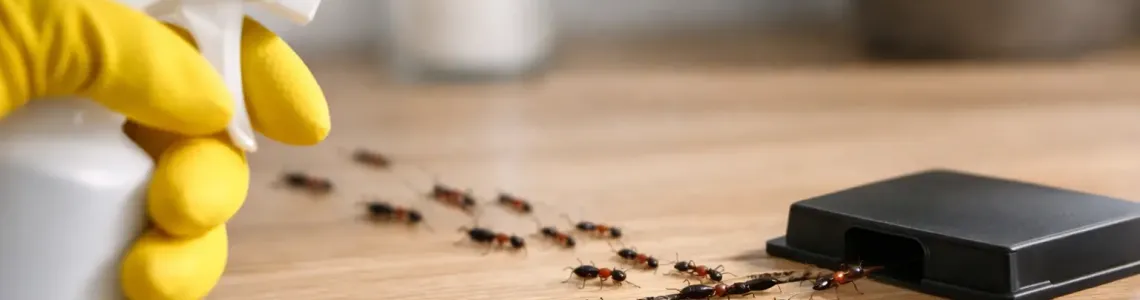
A Charlie ant on the wall is not a pest to swat first and identify later. If you are searching for how to get rid of charlie ant, the safest answer starts with one rule: do not crush it with your fingers, a tissue, or a slipper. The insect commonly called a Charlie ant is usually a type of rove beetle, not an ant. When disturbed or crushed, it can release a substance that may cause burning, redness, streaks, and blisters on skin.
These beetles are frustrating because they are small, fast-moving, and often drawn indoors by bright lights. The good news is that they usually do not establish a nest inside your home. A careful removal routine, smarter lighting, and basic entry-point control can reduce the problem quickly without turning your home into a chemical zone.
First, Know What a Charlie Ant Is
A Charlie ant is often recognized by its narrow, elongated body and contrasting dark and orange-red sections. It may look ant-like when it runs across a surface, but it is a beetle. The real risk is not a bite or sting. It is contact with the beetle's body fluids, especially after it has been pressed, brushed, or crushed.
This distinction changes the treatment plan. Ant bait will not solve a Charlie ant problem because there is no indoor colony to bait. Instead, focus on safe removal, reducing the insects attracted into the home, and treating the outdoor conditions that bring them close to doors and windows.
Charlie ants tend to be more noticeable after wet weather, around gardens, overgrown vegetation, drains, and exterior lights. They can enter through open windows, gaps around doors, damaged screens, and small cracks near utility lines.
How to Get Rid of Charlie Ant Safely Indoors
When you spot one indoors, keep your hands away from it. Do not flick it off a wall or wipe it with a bare cloth. The safest method is to place a cup, jar, or clear container over the insect, slide a stiff piece of paper underneath, and carry it outside. Release it away from entry doors, windows, patios, and areas where children or pets play.
If there are several insects, use a vacuum with a narrow attachment instead of sweeping them around. Empty the canister or seal and discard the vacuum bag promptly. Avoid handling the debris with bare hands. Wipe the vacuum attachment with soap and water afterward.
For a Charlie ant on bedding, clothing, towels, or upholstered furniture, do not brush it away with your hand. Use a container or vacuum first, then wash the item if practical. On hard surfaces, clean the area with household soap and water after removal. This is especially useful if you suspect one has been accidentally crushed.
Skip aerosol spraying directly onto a beetle crawling near people, food-prep areas, or bedding. A spray may kill it, but it can also leave the insect on the surface to be crushed or touched during cleanup. Physical removal is usually cleaner and more controlled for an occasional indoor visitor.
If One Touches Your Skin, Act Quickly
If a Charlie ant lands on you, gently blow it away or guide it onto paper without rubbing. If you think you touched or crushed one, wash the affected skin promptly with soap and plenty of water. Do not rub the area, because that can spread the irritant across the skin.
Redness may not appear immediately. Watch for burning, itchy patches, linear marks, swelling, or blisters over the next several hours. Keep the area clean and avoid popping blisters. If the reaction is painful, widespread, close to the eyes, or develops signs of infection, contact a medical professional. Eye exposure needs urgent medical attention.
Children may not realize they have crushed an insect, especially if they find one on a desk, toy, pillow, or bathroom counter. Check their hands and face after a sighting, and remind them to call an adult instead of touching unfamiliar bugs.
Stop Charlie Ants at Doors, Windows, and Lights
Because Charlie ants commonly wander in from outdoors, exclusion does more than repeated indoor spraying. Start with the places they use to enter. Repair torn window screens, add weatherstripping to doors that have visible gaps, and seal cracks around frames, pipes, and exterior wall openings.
Lighting is another major factor. A brightly lit porch or window can pull insects toward the house, especially on humid evenings. Turn off unnecessary exterior lights near open windows. Where lighting is needed for safety, position it farther from the doorway or use a warmer, less attractive bulb. Close curtains or blinds at night so indoor lighting is less visible from outside.
Keep windows shut during periods when the insects are especially active, such as after heavy rain or when nearby vegetation has been disturbed. If ventilation is necessary, make sure screens fit tightly and have no gaps around the edges.
Make the Area Around Your Home Less Inviting
A Charlie ant problem is often an outdoor maintenance issue showing up indoors. Trim grass, weeds, and dense plants away from the foundation, windows, and walkways. Clear leaf piles, damp cardboard, rotting plant matter, and clutter that hold moisture close to the building.
Pay attention to water. Fix leaking outdoor taps, improve drainage where puddles collect, and keep gutters flowing away from walls. You do not need a perfectly dry yard, but reducing persistent dampness near the home removes favorable hiding areas.
If you garden, avoid leaving piles of freshly cut vegetation beside doors or windows. Move yard waste to a location farther from the house, and use gloves when handling plants, mulch, or debris where beetles may be hiding. Shake outdoor towels, shoes, pet bedding, and gardening tools before bringing them inside.
When an Insecticide Treatment Makes Sense
A few Charlie ants after a rainy night usually do not justify treating every room in the house. Start with removal and prevention. However, a targeted exterior treatment can help if you are seeing them repeatedly around the same windows, doors, patio lights, or vegetation line.
Choose a product labeled for crawling insects and use it only as directed on the label. Apply it to approved exterior cracks, entry points, and perimeter areas rather than broad indoor surfaces. Keep children and pets away until the treated area is fully dry, and never assume a product is kid- or pet-safe unless its label specifically says so and the directions are followed.
Avoid bug bombs and total-release foggers. They rarely address the outdoor source, can leave unnecessary residue inside your home, and may push insects into other areas. For heavy, recurring activity, professional pest control may be worthwhile, particularly if the insects are arriving from a nearby field, drainage area, unmanaged lot, or dense landscape that you cannot maintain yourself.
Common Mistakes That Make the Problem Worse
The biggest mistake is crushing a Charlie ant. This is the moment most likely to create skin exposure. The second is treating it like an ant infestation and setting out baits while ignoring lights, screens, and wet vegetation outside.
Another common mistake is spraying first and cleaning later without gloves. If a beetle has been killed on a counter, floor, or windowsill, use disposable gloves or a folded paper towel to collect it, seal the waste, and wash the surface. Then wash your hands, even if you wore gloves.
Do not rely on essential oils, vinegar, or strong fragrance alone. They may change an odor temporarily, but they do not repair a screen, close a door gap, or reduce the lights drawing insects to your home. Use them only as an optional supplement, not the main control plan.
A calm response protects your skin and gets better results. Remove Charlie ants without crushing them, make nighttime entry harder, and keep the outdoor edges of your home clean and dry. A few practical changes now can make the next wet evening far less of a surprise.
Related Products