









-50x50.png "ClearWhite GlassRestore Pro | Polish Cermin Kereta | Car Glass Polish Watermark and Water Spot Remover | Polish Cermin Hadapan | Kesan Wiper")


How to Keep Clean Marble Floors Looking New
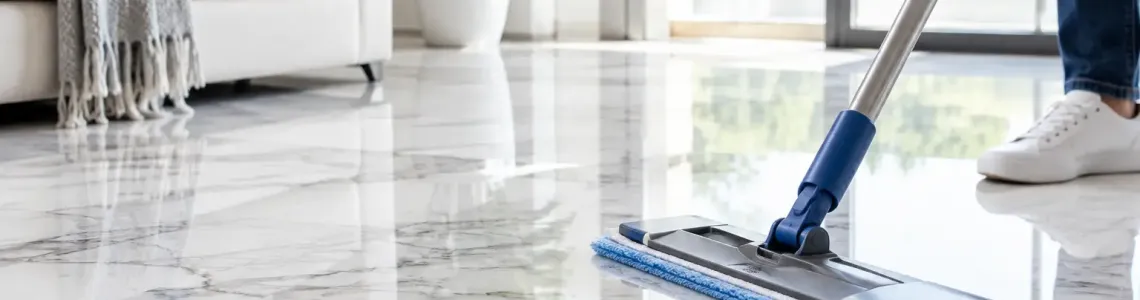
A marble floor can look expensive on day one and unexpectedly tired a few weeks later. The usual culprit is not lack of cleaning - it is using the wrong cleaner, too much water, or a mop that leaves residue behind. Clean marble floors need a gentler routine than tile, vinyl, or porcelain, but that does not mean a difficult one.
Marble is a natural calcium-based stone. Its surface can react to acidic products, scratch from gritty soil, and lose shine when harsh cleaners leave a dull film. The good news: a few practical habits will protect the finish, handle daily messes, and keep the floor looking polished without specialist equipment.
Why Marble Floors Need Different Care
Marble may feel solid underfoot, but its surface is more sensitive than many homeowners expect. Lemon juice, vinegar, acidic bathroom cleaners, and some descaling sprays can etch marble. Etching is a chemical reaction that leaves pale, cloudy, or rough-looking spots. It is not the same as a stain, so scrubbing harder will not remove it.
Grit is the other major problem. Sand, dust, and tiny bits of dirt act like fine sandpaper when walked across a polished surface. This is especially common near entryways, kitchens, pet feeding areas, and hallways with heavy foot traffic.
A basic rule makes marble care much easier: remove dry debris first, then clean with a pH-neutral product made for natural stone or marble. Do not treat it like a surface that needs aggressive degreasing every day.
The Everyday Routine for Clean Marble Floors
For most homes, dry cleaning is the most valuable part of the routine. Use a soft microfiber dust mop or a vacuum with a hard-floor setting and soft wheels. Avoid vacuum attachments with stiff, rotating bristles that may leave fine scratches.
Sweep or dust mop high-traffic areas daily or every other day. In lower-traffic rooms, two or three times a week is often enough. This quick step prevents grit from being ground into the marble and reduces how often you need to wet mop.
When the floor needs a proper wash, use a pH-neutral marble floor cleaner diluted exactly as directed. A concentrated formula can be good value, but only when mixed correctly. Overdosing any floor cleaner can leave a hazy coating that attracts more dirt and makes the floor feel tacky.
Use a clean microfiber mop that is damp, not dripping. Marble does not need to be soaked. Work in manageable sections, rinse or replace the mop pad once it looks dirty, and allow the floor to air dry. If you see streaks as it dries, the cause is usually dirty mop water or too much product.
A Simple Weekly Method
Start by removing dust and loose dirt. Then fill a bucket with cool or lukewarm water and add the recommended amount of stone-safe cleaner. Mop lightly, keeping the pad only damp enough to clean the surface. Finish by drying any standing water around edges, corners, or grout lines with a clean microfiber cloth.
If your marble has a high-polish finish, a dry buff with a fresh microfiber pad can bring back clarity after mopping. Do not use wax or generic shine-restoring products unless they are specifically approved for marble. Many leave a temporary gloss that eventually turns yellow, streaky, or slippery.
Clean Spills Fast Before They Become Stains
The best marble stain remover is speed. Blot spills immediately with a soft cloth or paper towel. Do not wipe outward, because that spreads the spill across more stone and into grout lines.
Oil, coffee, tea, wine, sauces, makeup, and pet accidents can all leave marks if they sit too long. After blotting, clean the area with a small amount of pH-neutral stone cleaner and water, then dry it fully. For greasy cooking spills, use a stone-safe cleaner designed to lift oil without using acidic or abrasive ingredients.
Avoid reaching for these common household shortcuts:
- Vinegar, lemon juice, and citrus-based acidic cleaners
- Bleach, ammonia, and strong bathroom or toilet cleaners
- Abrasive powders, scouring pads, and stiff scrub brushes
- Dish soap used repeatedly, as it can leave a slippery residue
A single accidental use may not ruin the floor, but repeated use can dull the finish. If you are unsure whether a product is suitable, test it in a hidden area first. That small check is far cheaper than restoring an etched marble surface.
How to Handle Grout and Problem Areas
Marble floors often have grout that gets darker before the stone itself does. The temptation is to attack grout with a powerful acid cleaner. Do not do this. Acid can damage the marble surrounding the grout, even if it seems effective at first.
Instead, use a stone-safe grout cleaner or a pH-neutral cleaner with a soft nylon brush. Apply it only where needed, agitate gently, and wipe away the loosened soil with a damp cloth. Keep the area controlled rather than flooding the floor.
For entryways and kitchen paths, place washable mats outside and inside doors, and use runners where people walk most often. Choose mats without rough rubber backing that can trap moisture or discolor the stone over time. Felt pads under furniture legs also prevent dragging marks when chairs or tables move.
What to Do About Etching, Dull Spots, and Scratches
Not every cloudy mark is dirt. If a spot looks lighter than the surrounding marble, feels slightly rough, or remains after normal cleaning, it may be etched. This often happens after a splash of vinegar, citrus juice, wine, or an acidic cleaner.
Light etching on polished marble may sometimes improve with a marble polishing powder made for that specific finish. However, this is one area where more effort can create more damage. Honed marble, heavily etched areas, deep scratches, and large dull patches are better handled by a stone restoration professional.
Stains are different. A stain changes the color of the stone because a substance has absorbed into it. Depending on the material, a stone-care poultice may draw it out, but results vary. Dark oil stains, rust marks, and old dye stains can be stubborn. Test carefully and avoid mixing chemical products in an attempt to force a quick fix.
Sealing Helps, but It Is Not a Free Pass
Many marble floors benefit from a penetrating sealer. A good sealer slows down absorption, giving you more time to blot spills before they sink into the stone. It does not make marble stain-proof, scratch-proof, or acid-proof. Even sealed marble can etch when acidic liquids are left on the surface.
How often to reseal depends on the type of marble, finish, traffic level, and sealer used. A practical check is to place a few drops of water on a clean, inconspicuous area. If the water beads on the surface for several minutes, the protection may still be working. If it quickly darkens the stone, it may be time to consider resealing.
Always clean thoroughly and allow the floor to dry completely before applying any sealer. Applying sealer over dirt or moisture can trap problems below the surface. Follow the product directions closely and keep children and pets away until the area is fully dry.
Build a Routine That Fits Your Home
A home with two adults and a quiet living room needs less frequent wet cleaning than a busy kitchen with kids, pets, and outdoor shoes. Adjust the routine to what actually happens on your floor. Daily dust control, prompt spill cleanup, and a careful weekly mop will outperform occasional heavy cleaning every time.
Keep a microfiber mop, spare washable pads, and a stone-safe floor cleaner within easy reach. When the right supplies are ready, it is much easier to deal with muddy paw prints, cooking splashes, and tracked-in dirt before they become a bigger job.
Marble rewards consistent care. Treat it gently, clean messes while they are fresh, and skip the harsh shortcuts. Your floor will keep its natural character - glossy or softly honed - for much longer.
Related Products
