









-50x50.png "ClearWhite GlassRestore Pro | Polish Cermin Kereta | Car Glass Polish Watermark and Water Spot Remover | Polish Cermin Hadapan | Kesan Wiper")


How to Keep Mosquitoes Away: Best Indoor and Outdoor Tips
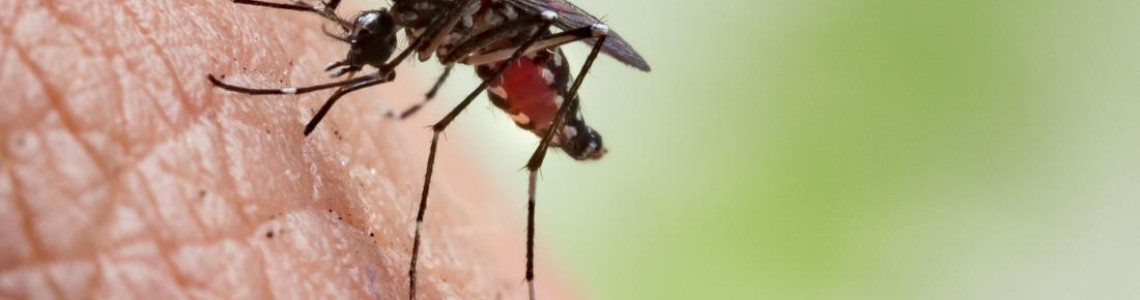
Mosquitoes are more than just a nuisance—they can disrupt your peace and pose serious health risks, especially in tropical and subtropical regions. Whether you're outdoors enjoying nature or indoors relaxing, these tiny pests can find ways to bother you. In this guide, we’ll explore effective ways to manage mosquitoes both indoors and outdoors, while learning more about their behavior and why prevention is crucial.
Why Are Mosquitoes a Big Deal?
Mosquitoes are notorious not just for their itchy bites but for the diseases they can transmit. Their impact on health makes them more than just a minor annoyance.
Health Risks of Mosquito Bites
- Dengue Fever: Common in tropical regions, with symptoms ranging from mild fever to severe complications.
- Malaria: A deadly disease that affects millions worldwide annually.
- Zika Virus: A virus particularly concerning for pregnant women, linked to birth defects.
Understanding Mosquito Behavior
Knowing how mosquitoes operate is the first step in effectively preventing them. Here are some key points:
- Peak Activity Times: Mosquitoes are most active during dawn and dusk. However, some species, like Aedes mosquitoes, are active during the day.
- What Attracts Them: They’re drawn to carbon dioxide, body heat, and even sweat. Some people may unknowingly attract mosquitoes due to their unique scent.
Outdoor Mosquito Prevention Tips
Enjoy your outdoor activities without becoming a mosquito target by following these tips:
- Eliminate Standing Water: Mosquitoes breed in stagnant water. Empty and clean water-collecting containers regularly.
- Use Physical Barriers: Wear long-sleeved clothing, install outdoor fans, or set up mosquito nets to keep mosquitoes at bay.
- Add Natural Repellents: Plant mosquito-repelling plants such as citronella, lavender, or lemongrass around your outdoor space.
Indoor Mosquito Prevention Tips
Keeping mosquitoes out of your home is just as important. Here’s how:
- Secure Entry Points: Use fine mesh screens on windows and doors and seal gaps to keep mosquitoes out.
- Control Indoor Climate: Mosquitoes thrive in warm, humid conditions. Use air conditioning or dehumidifiers to make your home less inviting to them.
- Set Up Mosquito-Free Zones: Use mosquito nets around beds and avoid bright lights at night to reduce indoor mosquito activity.
Natural vs. Chemical Mosquito Repellents
Choosing the right mosquito repellent is key to effective protection. Here’s a quick comparison:
- Chemical Repellents: Often contain synthetic ingredients like DEET, which provide long-lasting protection but may irritate sensitive skin.
- Natural Alternatives: Beta-alanine, a naturally occurring amino acid or plant-based ingredients such as citronella or lemon eucalyptus. These are safer for families and the environment while still offering reliable protection.
Tip: Always test new repellents on a small area of skin before applying them broadly to ensure compatibility with your skin.
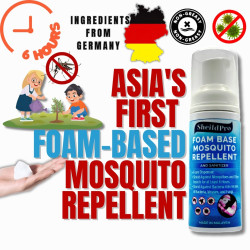
By understanding mosquito behavior, using preventative measures, and choosing safe, effective repellents, you can reclaim your home and outdoor spaces from these pesky intruders. Ready to learn about a smarter, eco-friendly way to protect your family? Explore ShieldPro Foam-Based Mosquito Repellent today!
Related Products