








-50x50.png "ClearWhite GlassRestore Pro | Polish Cermin Kereta | Car Glass Polish Watermark and Water Spot Remover | Polish Cermin Hadapan | Kesan Wiper")


-(1)-50x50.png "EziSac Lizard Repellent - Fast Acting Effective Natural Long-Lasting No Mess No Sticky Formula to Halau Cicak")

How to Prevent Charlie Ants Around Your Home
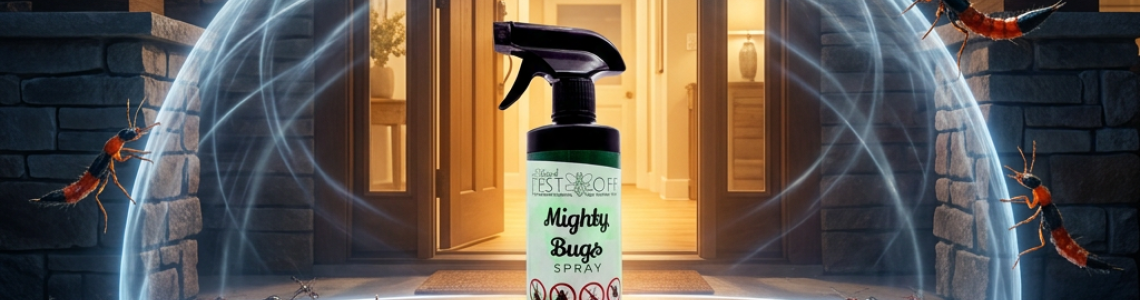
A Charlie ant on a wall or near a bedroom light is not a pest to swat and forget. The name commonly refers to a Paederus rove beetle, not a true ant. When crushed against skin, it can release an irritating fluid that may cause painful redness, blisters, and streak-like marks. Knowing how to prevent charlie ant encounters starts with one rule: keep them outside, and never crush one with bare hands.
Charlie ants are most likely to become a household problem after wet weather, around overgrown vegetation, or where bright lights draw them toward doors and windows at night. A few practical changes can reduce the chance of finding them indoors without turning your home into a complicated pest-control project.
Why Charlie Ants Come Indoors
Charlie ants usually live outdoors in damp grass, garden borders, leaf litter, and areas with decaying plant material. They do not invade kitchens for crumbs in the way common ants or cockroaches do. Instead, they wander or fly toward light, then enter through an open window, loose screen, door gap, or poorly sealed vent.
This difference matters. Spraying random areas inside the house may kill the insect you see, but it does little to stop the next one from being attracted indoors. Prevention works best when you reduce outdoor harborages, limit nighttime light attraction, and close the easy entry points.
They are more active in humid conditions and during rainy periods, so make Charlie ant prevention part of your regular wet-season home maintenance. Homes beside fields, vacant lots, drainage areas, gardens, or dense landscaping may need more consistent attention.
How to Prevent Charlie Ants With Light Control
Outdoor and indoor lighting near open windows is one of the biggest factors you can manage. A bright porch light beside a window creates a clear path for flying insects. If you frequently see Charlie ants in the evening, start there.
Turn off unnecessary exterior lights near doors and bedroom windows. Where lighting is needed for safety, position it farther from entryways or use a shielded fixture that directs light downward. Closing curtains or blinds before switching on indoor lights also makes windows less attractive from outside.
Check your window screens before relying on them. A screen with a small tear, loose edge, or gap around the frame is still an open invitation. Repair damaged mesh, make sure screens sit tightly in their tracks, and keep windows closed at night if an area has recurring Charlie ant activity.
Remove the Damp Outdoor Hiding Places
A tidy yard is not only about appearances. It removes the damp, sheltered places where Charlie ants and other nuisance insects rest during the day. Focus on the strip of ground around the house first, especially below windows, beside doors, and near outdoor lights.
Keep grass trimmed and clear away wet leaves, fallen fruit, old cardboard, stacked pots, and thick ground cover close to exterior walls. Do not let mulch build up directly against the foundation. Mulch can be useful for plants, but a deep, constantly wet layer next to the house gives insects cover and holds moisture.
Pay attention to drainage. Leaking outdoor taps, blocked gutters, standing water, and overflowing plant trays create a damp environment that supports many household pests. Fix leaks, clean gutters, and tip out water that has collected after rain. You do not need a perfectly dry yard, but you do want to avoid permanently soggy corners right beside the home.
If you store firewood, garden supplies, or unused containers outdoors, keep them organized and away from doors and windows. This also makes it easier to inspect the area instead of discovering insects only after they have reached the house.
Seal the Routes Charlie Ants Use
The best pest prevention is often unglamorous: screens, seals, and a little attention to gaps. Walk around the outside of your home in daylight and look closely at the places where cables, pipes, air-conditioning lines, and vents pass through walls. Seal obvious cracks and openings with an appropriate exterior sealant.
Install door sweeps if you can see daylight under exterior doors. Replace worn weather stripping around windows and doors, and make sure sliding doors close flush. For apartments, check balcony doors, utility-room windows, and gaps around air-conditioning units. These are common weak spots because they may stay open or be overlooked.
Do not block ventilation openings that are needed for appliances or building safety. Instead, fit suitable fine mesh where appropriate and have significant gaps repaired properly. The goal is controlled airflow, not sealed-up living spaces.
What to Do When You Find One Indoors
Do not slap, squeeze, brush, or crush a suspected Charlie ant. The irritation risk comes from contact with the insect's body fluid, not from a bite. Keep children and pets away while you remove it.
Use a piece of paper, a container, or disposable gloves to gently lift it without direct contact. Take it outside or dispose of it in a sealed bag. Then clean the surface it touched with household cleaner and wash your hands, even if you wore gloves.
If the insect lands on your skin, blow it away gently or use paper to remove it. Avoid rubbing the area. Wash the skin promptly with soap and water. If a rash, burning sensation, or blistering develops, seek medical advice, particularly for exposure near the eyes or on a young child. Do not apply random home remedies to damaged skin.
Use Pest Products Carefully, Not Automatically
A targeted insect-control product can be useful when Charlie ants are repeatedly appearing around exterior entry points, but it should support the prevention work rather than replace it. Treating a light-filled doorway while leaving torn screens and wet leaf piles nearby creates a cycle of short-term results.
Choose products labeled for the intended location and insect type, and follow the label exactly. Outdoor perimeter treatments may suit patios, exterior wall edges, window frames, and other sheltered entry zones, depending on the product instructions. Never apply insecticide to bedding, toys, food-preparation surfaces, or areas a pet can lick unless the label specifically permits that use.
For households with children or pets, product selection and placement matter even more. Keep treatments out of reach, allow treated areas to dry as directed, and use physical prevention first whenever possible. A kid- and pet-conscious approach is not about skipping pest control. It is about using the least disruptive effective step in the right place.
If you are seeing large numbers indoors over several nights, or insects are entering from a shared building space, speak with a licensed pest-control professional or property manager. Heavy activity can point to an outdoor source that needs broader treatment or a building-maintenance issue that one apartment cannot solve alone.
A Quick Routine That Keeps Problems Down
Charlie ant prevention works best as a short routine, especially after rain. In the early evening, close window screens and doors before lights come on. Once a week, clear leaves and clutter near exterior walls, empty standing water, and inspect the areas around porch lights. Once a month, check screen frames, door sweeps, and weather stripping for damage.
That routine also helps reduce mosquitoes, cockroaches, and other unwanted visitors, so the effort pays beyond one insect. Keep a basic cleaning and pest-control kit ready: disposable gloves, a container for safe removal, household surface cleaner, and a suitable labeled exterior pest product for recurring activity.
The most useful step you can take tonight is simple: switch off unneeded lights near open windows, close the gaps, and clear the damp clutter nearest your doors. Small barriers, used consistently, make your home a much less appealing stop for Charlie ants.
Related Products