










-50x50.png "ClearWhite GlassRestore Pro | Polish Cermin Kereta | Car Glass Polish Watermark and Water Spot Remover | Polish Cermin Hadapan | Kesan Wiper")


-(1)-50x50.png "EziSac Lizard Repellent - Fast Acting Effective Natural Long-Lasting No Mess No Sticky Formula to Halau Cicak")

How to Protect Car Paint From Everyday Damage
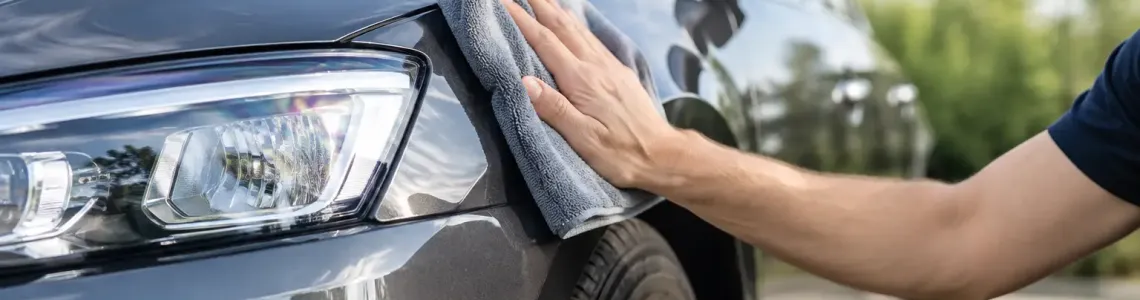
A car can look freshly detailed on Saturday and tired again by Wednesday. Park under a tree and bird droppings can etch the clear coat. Drive through rain and road film sticks to the panels. Use the wrong towel and fine swirl marks show up in direct sunlight. To protect car paint, the answer is not one miracle bottle. It is a simple routine that removes contamination safely and adds the right level of protection for how you actually use your vehicle.
For most drivers, paint protection should be practical: easier washing, better water beading, less dirt buildup, and a finish that stays glossy longer. You do not need specialist equipment or a weekend-long detailing project to get meaningful results.
Know What Is Damaging Your Paint
Modern automotive paint has a clear protective top layer, but it is not invincible. UV exposure slowly dulls the finish, especially when a car lives outdoors. Rainwater, dust, industrial fallout, tree sap, insect residue, and road grime all sit on the surface and can become harder to remove over time.
The biggest avoidable problem is leaving acidic or sticky contamination in place. Bird droppings, bug splatter, and tree sap should be removed as soon as practical. Do not scrub them dry with a tissue or old rag. Soften the mess first with clean water or a suitable car-safe cleaner, then lift it away gently with a clean microfiber cloth.
Swirl marks are another common frustration. They are usually caused by washing with dirty tools, wiping dust from a dry panel, or using household sponges that trap grit. A shiny coating cannot hide poor wash habits for long. Safe cleaning comes first.
Start With a Paint-Safe Wash Routine
If your wash process leaves the car cleaner but adds micro-scratches each time, your protection step is working against the damage. Wash when the bodywork is cool and out of strong direct sun if possible. Hot panels make shampoo and water dry too quickly, leaving streaks and water spots.
Rinse thoroughly before touching the paint. This simple step flushes away loose dust and grit that could otherwise drag across the clear coat. Use a pH-balanced car shampoo rather than dish soap. Dish soap can strip waxes and leave the finish unprotected, while a proper automotive wash is made to clean without being unnecessarily harsh.
Use a dedicated wash mitt or soft microfiber sponge, and keep it clean. Work from the roof downward because lower panels, bumpers, and wheel areas carry the heaviest grit. A separate tool for wheels is worth having. Brake dust and road dirt should not return to your doors and hood.
After rinsing, dry with a plush microfiber drying towel. Pat or glide it lightly across the surface instead of pressing hard. If your water leaves mineral spots easily, do not let the vehicle air-dry. A few extra minutes with a clean towel can save a lot of correction work later.
Do Not Use These Shortcuts
Avoid brushing off dry dust, washing with a rough household cloth, or using strong all-purpose cleaners on painted panels. Also skip automatic brushes when possible. They may be quick, but dirty bristles and repeated friction can leave visible fine scratches, particularly on dark paint.
Choose the Right Way to Protect Car Paint
Paint protection products are not all the same, and the best choice depends on the finish you want, how much time you have, and whether the car is parked indoors or outside.
A spray sealant is the easiest starting point. It is quick to apply after washing, improves water beading, and gives the paint a slicker feel. This is a smart option for busy households because it fits into a normal wash routine. Durability varies, so expect to reapply it regularly rather than treating it as a one-time job.
Traditional wax gives a warm gloss and can make paint look richer, especially on well-maintained cars. The trade-off is that wax generally needs more frequent renewal. It is a good choice for drivers who enjoy hands-on car care and want a straightforward finish boost before an event, road trip, or weekend wash.
Synthetic sealants usually last longer than basic wax and offer reliable protection from water, grime, and UV exposure. They are a practical middle ground when you want stronger durability without a complex process.
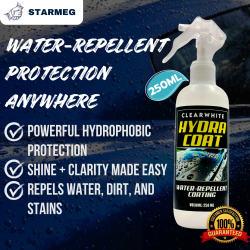
Ceramic coating products create a more durable hydrophobic layer. Water beads and rolls away more easily, washing becomes simpler, and contamination is less likely to cling to the paint. However, ceramic protection is not a force field. It will not stop stone chips, deep scratches, or dents. It also works best when applied to thoroughly clean, decontaminated paint. Applying a coating over old grime can lock in a dull finish rather than improve it.
For a vehicle that spends long hours outside, a hydrophobic coating or durable sealant is often the most useful investment. For a lightly used garage-kept car, a quality spray protectant may be all you need.
Preparation Determines the Result
Do not apply protection over a dirty car and expect a lasting shine. Wash and dry the vehicle fully first. Feel the paint with clean fingertips after washing. If it still feels rough, bonded contamination may be present. A paint-safe decontamination step can help create a smoother surface before applying a sealant or coating.
For older paint with oxidation, water spots, or swirl marks, protection will improve gloss but cannot fully erase existing defects. A mild polish may be needed before a long-lasting coating. This is where it pays to be realistic: polishing removes a tiny amount of clear coat to level defects, so it should be done carefully and only when necessary.
Always follow the product directions for application amount and curing time. More product is not better. Heavy application can cause streaks, high spots, and difficult buffing. Apply thin, even coverage to one manageable panel at a time using a clean applicator, then buff with a separate microfiber towel if required.
Protect the Areas Drivers Forget
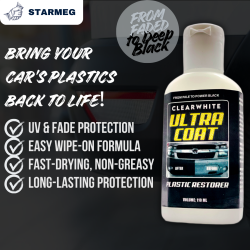
Paint is the main concern, but a clean, protected car looks better when surrounding surfaces receive attention too. Exterior trim can fade from sun exposure, while headlights, side mirrors, and glass collect grime that reduces visibility. Use products designed for each material. A trim restorer belongs on faded plastic, not painted body panels, and glass treatment should stay on glass.
Door edges, the trunk lip, and the area behind the wheels deserve regular checks. These spots collect moisture and dirt, and they are easy to overlook during a quick wash. If you live near the coast or drive on salted roads, rinse the underbody and lower panels more often. Corrosive residue is not just a cosmetic problem.
Parking choices matter as well. Shade helps reduce UV exposure, but avoid parking under sap-heavy trees or areas with frequent bird activity when you can. A breathable car cover can help during extended outdoor storage, provided the vehicle is clean first. Covering a dusty car can rub grit into the finish.
Keep Protection Working Between Washes
Maintenance does not need to be complicated. Remove fresh bird droppings and bug marks promptly. Rinse off mud and road salt after wet or dirty drives. Use a quick-detail spray only on light dust when the surface is safe to wipe, not when it is covered in gritty dirt.
Check water behavior after washing. When water stops beading or sheeting cleanly and the paint feels less slick, it is usually time to top up your chosen protectant. That may be every few weeks for a light spray product, every few months for wax or sealant, or longer for a properly maintained ceramic coating. Weather, parking conditions, and wash frequency all change the schedule.
A simple kit makes consistency easier: pH-balanced car shampoo, a clean wash mitt, separate wheel tools, quality microfiber towels, and a paint protectant that matches your routine. Keep each item clean and replace towels once they become rough, stained, or contaminated.
A glossy finish is built one careful wash at a time. Start with the protection level you can maintain, keep contamination from sitting on the paint, and give your car a clean, slick surface that is easier to enjoy every day.
Related Products

-250x250.png "ClearWhite GlassRestore Pro | Polish Cermin Kereta | Car Glass Polish Watermark and Water Spot Remover | Polish Cermin Hadapan | Kesan Wiper")