








-50x50.png "ClearWhite GlassRestore Pro | Polish Cermin Kereta | Car Glass Polish Watermark and Water Spot Remover | Polish Cermin Hadapan | Kesan Wiper")


-(1)-50x50.png "EziSac Lizard Repellent - Fast Acting Effective Natural Long-Lasting No Mess No Sticky Formula to Halau Cicak")

How to Remove Carpet Stains Without Damaging Fibers
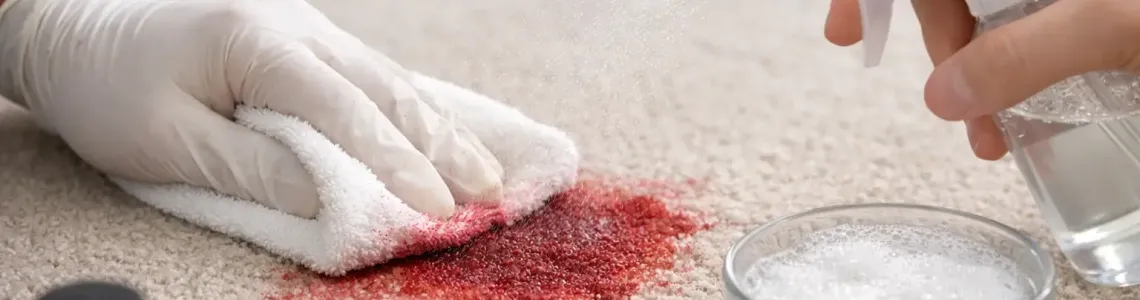
A fresh spill is easier to beat than a set-in carpet disaster. Knowing how to remove carpet stains starts with one rule: absorb the mess first, then treat what remains. Scrubbing hard, soaking the spot, or grabbing the first cleaner under the sink can spread the stain, damage carpet fibers, and leave a sticky patch that attracts more dirt.
Whether it is coffee before work, muddy pet paws, a dropped dinner plate, or a mystery mark in the hallway, the right response is simple and targeted. Work patiently, use a cleaner that suits the stain, and keep moisture under control.
Start With the Carpet-Safe Stain Removal Basics
Before applying any solution, identify the carpet material if you can. Most synthetic carpets, such as nylon, polyester, and olefin, tolerate gentle water-based cleaning well. Wool, silk, jute, and other natural-fiber rugs are less forgiving. They can shrink, fade, or develop water marks, so use minimal moisture and consider professional help for a large or valuable rug.
Check the carpet manufacturer's care label or test any cleaning product in a hidden corner first. Wait until the test area dries. If the color transfers to your cloth, the fibers feel rough, or a light patch appears, stop and switch to a gentler approach.
For most fresh stains, gather a few basics: white microfiber cloths or paper towels, cool water, a spray bottle, a spoon or dull knife, and a carpet-safe stain remover. White cloths matter because dyed towels can transfer color into damp carpet.
The blot, treat, blot method
Start by lifting solids with a spoon or dull knife. Do not press them deeper into the pile. For liquids, lay a clean white cloth over the spill and press firmly. Replace the cloth as it absorbs moisture. Keep blotting from the outside edge toward the center so the stain does not grow.
Next, apply your chosen cleaning solution to a cloth rather than flooding the carpet. Gently blot the stain, then use a separate cloth dampened with plain water to remove cleaner residue. Finish by pressing dry towels over the area. Put a heavy, color-safe object on top for 15 to 30 minutes if the patch is still damp.
That final rinse and dry step is where many DIY jobs fail. Leftover detergent can feel clean at first but later collects dust and leaves a dark ring.
How to Remove Carpet Stains by Type
One all-purpose cleaner can handle plenty of household messes, but different stains behave differently. Match the treatment to the problem for faster, cleaner results.
Coffee, tea, juice, and soft drinks
Blot up as much liquid as possible immediately. Mist the area lightly with cool water, then blot again. Use a carpet stain remover formulated for food and drink marks, following the label directions. For a pale but stubborn coffee or tea shadow on a light synthetic carpet, a small amount of oxygen-based carpet cleaner may help. Always test first, especially on dark or patterned carpet.
Avoid hot water. Heat can set tannin stains from tea, coffee, and fruit drinks deeper into the fibers.
Red wine, sauce, and colored food spills
Act fast with strongly colored spills. Blot, never rub, until your cloth stops picking up color. Apply a carpet-specific stain treatment in small amounts and let it work for the stated contact time. Blot with a clean cloth, rinse lightly, and dry.
Tomato sauce and curry can contain oil as well as pigment. If the stain feels greasy after the color lifts, follow with a small amount of carpet-safe degreasing treatment rather than repeatedly adding water.
Grease, butter, makeup, and oily stains
Oil needs absorption before it needs moisture. Scrape away excess material, then cover the spot with baking soda or cornstarch for 15 to 30 minutes. Vacuum the powder carefully. After that, apply a small amount of carpet-safe grease remover or a mild carpet cleaning solution to a cloth and blot.
Do not use a large dose of dish soap directly on carpet. It can remove grease, but it is difficult to rinse out fully and often leaves behind a residue that turns into a new dirt magnet.
Pet urine, vomit, and feces
Pet stains need more than surface cleaning. Urine can soak through carpet into the backing and pad, while organic residue can leave odor that encourages repeat accidents.
Remove solids first and blot liquids deeply with dry towels. Use an enzyme-based pet stain cleaner designed to break down organic messes. Cover enough area to reach the full stain, but do not saturate the floor. Allow the product to sit for the label-recommended time, then blot and air-dry completely.
Skip ammonia-based cleaners for urine. Their smell can resemble urine to pets and may draw them back to the same area. If odor remains after drying, the stain may have reached the padding and need a deeper treatment.
Mud, dirt, and tracked-in grime
Let mud dry fully before cleaning it. Wet mud smears; dry mud vacuums. Once dry, vacuum slowly in several directions, then treat any remaining mark with a carpet cleaner and light blotting.
For heavily traveled entryways, cleaning only visible spots is rarely enough. A periodic low-moisture carpet clean can restore the surrounding area so the treated patch does not look noticeably brighter than the rest of the carpet.
Ink, nail polish, and mystery stains
These are the stains that reward caution. Ink and nail polish can spread quickly or react with the wrong solvent. Use a product specifically labeled for the stain and carpet type, and test it first. Apply it to a cloth, not directly to the carpet, then dab gently from the edge inward.
If you do not know what caused the stain, begin with the mildest option: cool water and a carpet-safe general cleaner. Escalate only if needed. Strong solvents can strip color, weaken backing adhesives, and create a bigger repair problem than the original mark.
Treating Old Carpet Stains Without Overwetting
Old stains are not always permanent, but they usually need repeated light treatments rather than one aggressive session. Start by vacuuming the area to remove dry soil. Apply a carpet stain remover according to its directions, allow the recommended dwell time, then blot and rinse lightly.
If the mark lightens but does not disappear, let the carpet dry before repeating. A damp carpet can look darker than it truly is, making it hard to judge progress. Two or three controlled treatments are safer than saturating the area in one attempt.
Some old stains reappear after drying because residue below the surface wicks upward. When that happens, mist the spot lightly, blot from the outside in, and place dry towels over it under gentle weight. This draws remaining moisture and soil into the towels instead of back onto the carpet surface.
Mistakes That Make Carpet Stains Worse
The fastest way to turn a small spill into a permanent eyesore is rubbing it back and forth. Friction frays fibers and pushes pigment deeper. Blotting may feel slower, but it protects the carpet texture.
Too much water is another common issue. Soaked carpet can develop mildew odor, loosen adhesive, or leave a brownish water ring. Use enough solution to treat the stain, not enough to drench the pad.
Avoid bleach unless the carpet manufacturer specifically approves it. Bleach does not remove a stain so much as remove color, and the result can be a permanent pale spot. Also avoid mixing cleaning products. Combining formulas can create irritating fumes or reduce their effectiveness.
Finally, do not judge success until the carpet is completely dry. Open windows, run a fan, and keep children and pets off the area until it feels dry to the touch.
Keep Future Carpet Stains Easier to Handle
A ready-to-use carpet stain remover, clean white cloths, and an enzyme cleaner for pet messes can save a lot of stress when accidents happen. Keep them where spills happen most, not buried at the back of a closet. For busy homes, Starmeg-style solution-specific cleaning products make it easier to choose the right treatment without guessing.
Protect high-traffic areas with washable mats, vacuum regularly to stop grit from grinding into fibers, and address spills before they become tomorrow's mystery stain. Fast blotting and the right cleaner will do more for your carpet than any amount of frantic scrubbing.
Related Products

