









How to Remove Curry Stains From Clothes and More
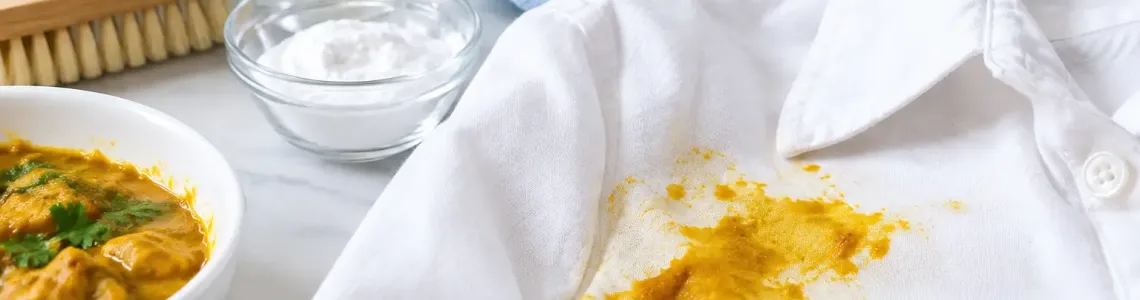
That bright yellow splash on your shirt is not just food residue. Curry can leave behind turmeric pigment, cooking oil, and sometimes tomato or chili color, which is why it can be so stubborn. To remove curry stains successfully, act before heat, sunlight, or time gives the stain a chance to settle deep into the material.
The good news is that most fresh curry marks can be treated with simple household cleaning supplies and the right order of steps. The key is to lift the oily part first, treat the yellow pigment second, and avoid shortcuts that can make the stain permanent.
Why Curry Stains Turn Yellow and Stay There
Turmeric contains curcumin, a naturally intense yellow pigment. It is great in food, but it clings to fabric fibers, porous grout, plastic containers, and carpet backing. Curry sauces also often contain oil or ghee, which helps the pigment spread and bind to the surface.
That is why rinsing with water alone rarely works. Hot water can set certain stains, while rubbing aggressively can push curry deeper into fabric or carpet. A targeted stain remover, grease-cutting dish soap, or oxygen-based cleaner works better because it addresses the full stain, not just the visible color.
How to Remove Curry Stains From Washable Clothes
Start as soon as possible, especially on white shirts, school uniforms, table linens, and light-colored clothes. Check the care label before using any cleaner, and test a product on a hidden area if the item is brightly dyed or delicate.
1. Lift off excess curry without rubbing
Use a spoon, dull knife, or the edge of a clean card to lift off thick sauce or food pieces. Work from the outer edge toward the center so the stain does not spread. Do not scrub it with a napkin. That may remove the surface sauce, but it can drive turmeric and oil into the fibers.
2. Rinse from the back with cold water
Hold the stained area under cold running water, with the back of the fabric facing the water stream. This pushes loose residue out of the garment instead of through it. Keep rinsing for a minute or two, especially if the stain is fresh.
3. Treat the oily residue
Apply a small amount of grease-cutting dish soap or a fabric-safe laundry stain treatment directly to the mark. Gently work it in with your fingertips or a soft toothbrush. Let it sit for about 10 to 15 minutes, but do not allow the product to dry on the fabric.
For a large curry spill, lay the garment flat on a towel first. This gives you better control and prevents the treatment from transferring to another part of the clothing.
4. Use an oxygen-based cleaner for yellow marks
If yellow remains after the first treatment, soak the item in a solution of oxygen-based stain remover and cool or lukewarm water, following the product label. Oxygen cleaners are often a safer choice than chlorine bleach for many colored fabrics, but they are still not suitable for every material.
Silk, wool, leather, suede, and garments marked dry-clean only need more caution. Blot these items gently and take them to a professional cleaner rather than experimenting with strong cleaners at home.
5. Wash, inspect, then air-dry
Wash according to the care label. Before placing the garment in a dryer, inspect the stained area in good light. If you can still see yellow or orange shading, repeat the treatment. Dryer heat can lock in the remaining pigment and turn a manageable stain into a permanent one.
Air-drying is the safer choice until the mark is fully gone. For white cotton items, indirect sunlight may help fade the last trace of turmeric, but do not rely on sunlight alone for colored fabrics, which can fade unevenly.
Remove Curry Stains From Carpet and Upholstery
Curry on a sofa, dining chair, rug, or carpet needs a lighter touch. The goal is to remove the spill without soaking the padding underneath. Too much water can spread the stain, leave a water ring, or create a lingering odor.
First, scoop up solids and blot the area with a clean white cloth or paper towel. Press down firmly, then lift. Do not rub back and forth. Continue until you are no longer transferring sauce to the cloth.
Mix a few drops of clear dish soap with cool water. Dampen a clean cloth with the solution and blot from the outside toward the center. Follow with a separate cloth lightly dampened with plain water to remove soap residue, then blot dry with a towel.
If a yellow shadow remains, use an upholstery- or carpet-safe oxygen stain treatment only after testing an inconspicuous spot. Some natural fibers and richly colored upholstery can react poorly to cleaning solutions. For wool rugs, vintage textiles, or large spills that reach the padding, professional cleaning may be the better value than risking discoloration.
How to Remove Curry Stains From Counters, Plastic, and Dishes
Nonporous surfaces are easier, but turmeric can still tint white plastic food containers, silicone utensils, cutting boards, and grout lines. Wipe up curry quickly with a damp cloth, then wash the surface with warm water and dish soap to cut the oil.
For plastic containers with stubborn yellow staining, make a paste with baking soda and a small amount of water. Spread it over the stained area, leave it for 15 to 30 minutes, then scrub gently with a non-scratch sponge and rinse. A dedicated kitchen cleaner can be more convenient for repeated cooking messes, especially around backsplashes and counters.
Avoid abrasive scouring pads on glossy plastic, coated cookware, acrylic surfaces, or polished stone. They can remove the stain but leave scratches that trap future food color and grease. For natural stone such as marble or granite, use a cleaner designed for stone rather than acidic DIY mixtures.
What about grout?
Curry splashes on tile grout can be more difficult because grout is porous. Start with a kitchen degreaser or an oxygen-based cleaner suitable for tile and grout. Apply it as directed, allow enough contact time, then scrub with a stiff grout brush and wipe clean. Ventilate the area and never mix cleaning products, particularly bleach with ammonia or acidic cleaners.
Common Mistakes That Make Curry Stains Worse
The fastest way to lose a stain battle is to use the wrong method too early. Avoid these common mistakes:
- Using hot water first, which can help oils bind to fabric and may set the stain.
- Rubbing hard with a towel, which spreads the sauce and roughens carpet or fabric fibers.
- Putting clothing in the dryer before checking that all yellow color is gone.
- Using chlorine bleach on every item, even when the fabric label warns against it or the garment is colored.
- Mixing cleaners in an attempt to create a stronger solution. This can damage surfaces and create dangerous fumes.
A second treatment is normal with turmeric stains. It does not mean the cleaner failed. It usually means the visible sauce is gone, but pigment or oil remains below the surface.
Choose the Right Cleaner for the Surface
One multipurpose spray is not always the best answer. For washable clothing, choose a fabric-safe laundry pretreatment or oxygen stain remover. For kitchen counters and dishes, a grease-cutting dish soap or food-surface-safe cleaner is more appropriate. For carpets and sofas, use a low-moisture upholstery or carpet formula that will not leave a sticky residue.
If you manage frequent family meals, rentals, or busy kitchens, keeping a stain treatment near the laundry area and a kitchen cleaner near the sink makes quick action easier. Starmeg-style solution-specific cleaning products can also reduce guesswork by matching the formula to the surface and the problem.
A curry spill looks dramatic, but speed and patience beat panic. Treat the stain before it dries, keep heat away until you have inspected the result, and give the cleaner time to do its job. That favorite shirt or freshly cleaned rug still has a very good chance.
Related Products