









-50x50.png "ClearWhite GlassRestore Pro | Polish Cermin Kereta | Car Glass Polish Watermark and Water Spot Remover | Polish Cermin Hadapan | Kesan Wiper")


-(1)-50x50.png "EziSac Lizard Repellent - Fast Acting Effective Natural Long-Lasting No Mess No Sticky Formula to Halau Cicak")

How to Remove Marble Stains Without Damage
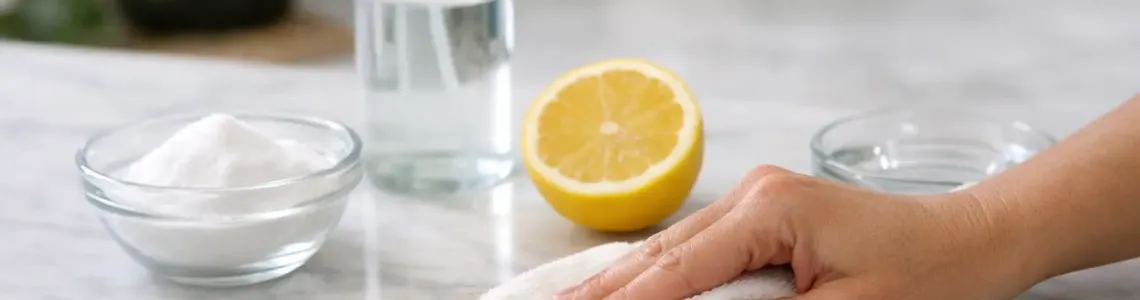
A dark ring beside the kitchen sink, a coffee splash on a vanity top, or a cloudy patch under a glass can make expensive marble look neglected fast. The good news is that many marks can be improved at home. Knowing how to remove marble stains starts with one rule: treat the mark based on what caused it, not by reaching for the strongest cleaner in the cabinet.
Marble is beautiful, but it is also porous and calcium-based. That means it can absorb liquids and react badly to acidic products. A method that works perfectly on ceramic tile or stainless steel can leave marble dull, rough, or permanently etched. Work patiently, use gentle materials, and test any treatment in a hidden corner first.
First, tell a stain from an etch mark
Not every discolored area is a true stain. This matters because a stain can often be drawn out of the stone, while etching is physical surface damage that needs polishing rather than cleaning.
A stain usually looks darker than the surrounding marble. It may be brown, yellow, reddish, or dark gray, depending on the spill. Oils, tea, coffee, cosmetics, sauces, rust, and dirty water can soak below the surface and create this type of mark.
An etch mark often looks pale, cloudy, or dull. It may feel slightly rougher than the polished area around it. Lemon juice, vinegar, wine, fruit, soft drinks, and bathroom cleaners are common causes. Acid has reacted with the marble itself, so no stain remover can reverse the dullness. A marble polishing powder or professional stone restoration may be needed, especially for a large or highly visible etched patch.
If the mark is both dark and dull, you may be dealing with a stain and an etch at the same time. Remove the absorbed stain first, then assess whether polishing is still needed.
What to avoid before you clean
Fast action helps, but aggressive cleaning is where most marble damage happens. Do not use vinegar, lemon, bleach, limescale remover, toilet cleaner, or a general acidic bathroom spray. Skip scouring powders, steel wool, magic erasers, and abrasive scrub pads as well. They can scratch the finish or strip away its shine.
For daily cleaning, use a soft microfiber cloth, warm water, and a pH-neutral cleaner made for natural stone. Wipe up spills instead of rubbing them outward. Marble does not need heavy soaking or high-strength disinfectant on every clean. Too much moisture can spread a stain deeper into the stone, especially around seams and unsealed edges.
Before treating a stubborn mark, gather a few simple supplies: a white microfiber cloth, plastic wrap, painter's tape, a plastic scraper or old gift card, and a non-metal bowl. White materials matter because colored cloths or paper towels can transfer dye onto light marble.
How to remove marble stains with a poultice
For stains that have soaked into the marble, a poultice is the most practical home method. A poultice is a thick paste that sits on the surface, dries slowly, and pulls the staining material upward. It is not instant, but it is much safer than scrubbing.
Step 1: Clean the surface gently
Wipe away surface dirt using a stone-safe cleaner or a cloth lightly dampened with warm water. Dry the area completely. If you start with grease, dust, or cleaner residue still on the counter, the poultice can lock that mess in place.
Step 2: Choose the right liquid for the stain
The absorbent base can be baking soda, talc, kaolin clay, or a ready-made marble poultice powder. What you mix into it depends on the stain.
For oil-based stains from cooking oil, lotion, makeup, or grease, mix the powder with acetone until it resembles peanut butter. Acetone can help dissolve oil without using acid, but use it only in a well-ventilated space, keep it away from flames, and do not use it on nearby painted, plastic, or lacquered surfaces.
For organic stains from coffee, tea, berries, food, leaves, or pet accidents, mix the powder with 12% hydrogen peroxide. This is generally best for white or light-colored marble. Hydrogen peroxide can lighten darker stone or affect colored veining, so darker marble needs a careful spot test. Never mix peroxide with other cleaners.
For a mystery stain, begin with a dry baking soda poultice mixed with water. It is slower, but it is the lowest-risk place to start. If there is no improvement after one or two attempts, identify the likely source before moving to a stronger method.
Step 3: Apply a thick layer
Spread the paste about one-quarter inch thick over the mark, extending slightly beyond its edges. Cover it with plastic wrap and tape down the perimeter. Use a toothpick to make a few tiny holes in the plastic so moisture can evaporate gradually.
Leave the poultice in place for 24 to 48 hours. The slow drying time is what gives it a chance to pull contamination from below the surface. Do not rush it with a hair dryer or place hot cookware nearby.
Step 4: Remove, rinse, and inspect
Once the paste is dry, lift it with a plastic scraper or gift card. Wipe the area with a clean damp cloth, then dry it fully. The stain may fade after one treatment, but older marks commonly need two to four rounds.
Let the marble dry for a full day between treatments. Wet stone can look darker than it really is, making it hard to judge progress. If the stain is getting lighter, continue. If it does not change after several careful tries, stop experimenting and ask a stone-care professional for advice.
Handling common marble marks
A fresh oil spill should be blotted immediately, then cleaned with a pH-neutral stone cleaner before it has time to absorb. If a dark shadow remains, use the acetone poultice method. Avoid dish soap as a long-term solution because repeated use can leave a film that traps dirt and makes polished marble look hazy.
Coffee, tea, and food stains respond best to the peroxide poultice on light marble. For a small, fresh coffee ring, a damp cloth and stone-safe cleaner may be enough. Do not reach for lemon or vinegar just because the stain is brown. Their acid can create a much bigger dull spot than the original spill.
Rust stains are difficult. They often come from metal cans, shaving cream containers, decorative trays, or wet tools left on stone. Commercial rust removers are usually acidic and are not safe for marble. A marble-specific rust treatment may help, but deep orange-brown rust often requires professional attention.
Ink, hair dye, and cosmetic stains vary widely. Start with a small acetone poultice if the marble is light and the stain appears oil-based or dye-based, but spot-test first. On darker stone, the safest choice is to consult a stone specialist rather than risk a lightened patch that is more noticeable than the original mark.
Prevent the next stain from setting
Sealing helps, but it is not a force field. A quality penetrating sealer slows absorption, buying you more time to wipe up spills. It will not stop etching from acid, prevent scratches, or make marble safe for harsh cleaners.
A simple water test can tell you whether resealing may be useful. Place a few drops of water in an inconspicuous spot. If the stone darkens quickly, it may be time to reseal. If the water remains beaded on top for several minutes, the existing sealer is likely still doing its job.
Use coasters under drinks, trays beneath soap dispensers and cooking oils, and soft pads under metal décor. In busy kitchens and bathrooms, these small barriers do more for marble than a monthly rescue treatment. Clean countertops after cooking, dry splashes near the faucet, and avoid leaving wet bottles in the same spot day after day.
Marble rewards quick, gentle care. Treat a spill when it happens, use the right poultice when a stain has set, and protect the surface from acids and standing moisture. That approach keeps the stone looking polished without turning every mark into a costly repair.
Related Products