










-50x50.png "ClearWhite GlassRestore Pro | Polish Cermin Kereta | Car Glass Polish Watermark and Water Spot Remover | Polish Cermin Hadapan | Kesan Wiper")


Hydrophobic Windshield Coating Kit Benefits
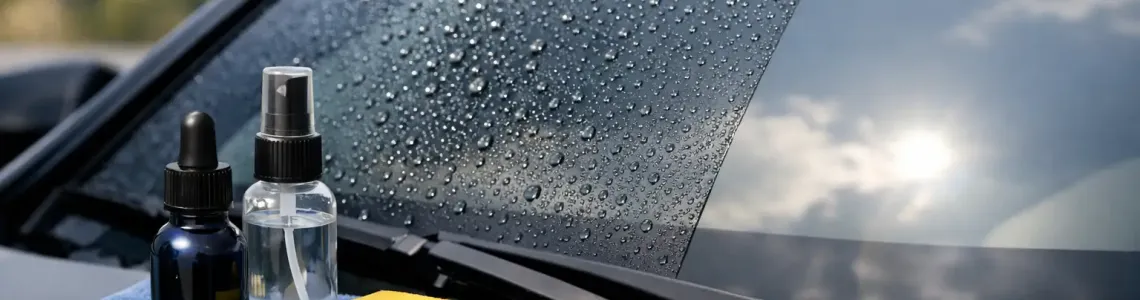
Rain does not have to turn every drive into a blurry, wiper-heavy struggle. A hydrophobic windshield coating kit creates a water-repelling layer on exterior glass, encouraging rain to form tight beads and move away as you drive. The result can be a clearer view in wet weather, less water clinging to the windshield, and easier cleanup after bugs, road film, and light dirt.
This is not a substitute for working wipers, washer fluid, or safe driving habits. It is a practical extra layer of visibility support for drivers who are tired of smeared glass and water that seems to stick no matter how often they clean it.
What a Hydrophobic Windshield Coating Kit Does
Hydrophobic means water-repelling. Once the coating bonds to clean glass, it changes how water behaves on the surface. Instead of spreading into a sheet that distorts your view, raindrops bead up. At driving speeds, airflow can help carry many of those beads off the glass.
That difference is most noticeable during moderate rain and on open roads. You may find that wipers are needed less often at higher speeds, though they still matter in heavy downpours, slow traffic, and overnight parking. A coating will not make a windshield invisible to water. It helps water release more easily.
A good kit is also useful between washes. Mud splatter, insect residue, and mineral marks are still possible, but a protected windshield is generally easier to clean because grime has less opportunity to cling directly to bare glass. For households managing more than one vehicle, that can mean faster weekend car-care routines and better day-to-day visibility.
What it will not fix
Set expectations before you apply anything. Hydrophobic treatment cannot repair deep scratches, stone chips, hazy glass caused by damage, worn wiper rubber, or a windshield with residue trapped under deteriorated wiper blades. If your wipers chatter, leave streaks, or smear oily marks across the glass, replace or clean them first.
It also does not belong on the inside of the windshield. Interior haze comes from dust, fingerprints, dashboard vapor, and cabin buildup. Use a suitable glass cleaner and a clean microfiber cloth inside the car. Keep the hydrophobic treatment for the exterior glass unless the product directions specifically say otherwise.
Why Preparation Decides the Result
The most common reason a windshield coating disappoints is not the formula. It is rushed preparation. Coating over road film, wax, silicone dressing, greasy fingerprints, or old water spots prevents the product from bonding evenly. That can leave patchy beading, wiper skipping, or a cloudy-looking finish in rain.
Start in a shaded, dry area with a cool windshield. Direct sun can cause cleaners or coating products to dry too quickly, making them harder to spread and buff. Avoid applying the treatment right after a drive, when the glass may still be hot.
Wash the windshield thoroughly, then remove the hidden film that ordinary car shampoo can leave behind. A dedicated automotive glass cleaner is a practical choice. Wipe in overlapping passes with a clean microfiber towel, then use a second dry towel to remove any remaining haze. Pay close attention to the lower edge of the windshield, where washer fluid residue and wiper grime often collect.
If water spots, tree sap, or stubborn contamination remain, deal with them before coating. Do not assume the hydrophobic layer will cover the problem. It will often make existing marks more obvious when headlights or rain hit the glass.
How to Apply a Hydrophobic Windshield Coating Kit
Always follow the instructions supplied with your specific kit, because cure time and application method vary. Some products use a liquid applicator, while others include wipes, prep pads, or a final buffing cloth. The basic process is simple, but patience matters.
First, make sure the glass is completely clean and dry. Moisture under the coating can interfere with bonding, especially around the windshield edges. Fold a clean microfiber cloth into sections so you always have a fresh surface available for buffing.
Apply a small amount of coating to the provided applicator or cloth. Work on one manageable section at a time rather than flooding the entire windshield. Use even, overlapping strokes to cover the glass. A thin, consistent layer performs better than a thick application that dries unevenly.
Allow the product to haze or set only for the time stated on the label. Then buff it with a clean, dry microfiber towel until the windshield looks clear. Check from several angles. If you can see a greasy rainbow, streaking, or dull patches, continue buffing with a fresh side of the cloth.
Many coatings need a dry period before rain, washing, or using windshield washer fluid. Plan the job around the weather. Applying a coating right before a storm may waste the effort if the product has not had time to cure.
Do a quick water test
After the recommended cure time, spray a little clean water onto the windshield. Healthy coverage should produce rounded beads that move readily when the vehicle is driven or when water flows across the glass. One small area may react differently if it was missed during application. In that case, clean and reapply to that area rather than piling more product over a contaminated surface.
Wipers Matter More Than Most Drivers Think
A coated windshield and worn wipers are a bad combination. The coating makes water move differently, which can expose problems with old rubber blades. If the blades are cracked, hardened, dirty, or bent, they may chatter or skip across the surface.
Before applying a coating, wipe the wiper blades with a clean cloth and suitable cleaner. Replace them if they leave lines, make noise, or fail to clear water in one pass. This small step protects the coating and gives you the clear, streak-free result you actually want.
There is a trade-off here. Some drivers love the reduced water buildup at speed but prefer a lighter coating on vehicles used mostly for short city trips. At low speeds, airflow cannot push water away as effectively, so wipers still do most of the work. A coating remains useful, but the dramatic water-shedding effect is usually stronger on faster roads.
How Long Does the Protection Last?
Durability depends on the product, weather exposure, wiper use, washing habits, and how well the glass was prepared. A windshield faces constant abrasion from dust, road grit, washer fluid, and wiper blades, so no coating lasts forever.
Watch the water behavior instead of relying only on a calendar. When rain begins to spread flatly across the glass instead of beading, it is time to clean and reapply. Frequent automatic car washes, harsh cleaners, and aggressive scrubbing can shorten the coating's life. Gentle glass cleaning and clean wiper blades help preserve it.
Do not apply a new layer every week just because you can. Product buildup may create haze or cause wiper movement to feel inconsistent. Reapply when performance drops after a proper wash, and use only the amount the kit recommends.
Choosing the Right Kit for Your Vehicle
The best choice is not always the strongest-sounding claim on the bottle. Look for clear directions, an application method you can complete carefully, and compatibility with automotive exterior glass. If the kit includes a glass prep step and applicator, it can be especially helpful for first-time users because the process is easier to control.
Also consider your real driving conditions. A commuter who regularly drives in rain, highway spray, and early-morning mist will see different benefits than a car used only for occasional errands. For a family vehicle, keeping the windshield, side windows, and rear glass clean can reduce the time spent fighting streaks before school runs, work trips, and weekend travel.
At Starmeg, car-care products are chosen around practical jobs, not complicated garage rituals. A hydrophobic coating kit makes sense when you want a visible improvement from a manageable at-home treatment.
Make Clear Glass Part of Regular Car Care
Treat windshield protection as one part of a simple routine: clean the exterior glass, inspect wipers, top up washer fluid, and reapply coating when water no longer beads well. Do not wait for the next storm to find out your view is compromised.
A properly applied hydrophobic windshield coating kit will not control the weather, but it can make wet-weather driving feel less demanding. Give the glass the preparation it needs, keep your wipers in good condition, and let every rainy drive start with a clearer view.
Related Products

-250x250.png "ClearWhite GlassRestore Pro | Polish Cermin Kereta | Car Glass Polish Watermark and Water Spot Remover | Polish Cermin Hadapan | Kesan Wiper")