








-50x50.png "ClearWhite GlassRestore Pro | Polish Cermin Kereta | Car Glass Polish Watermark and Water Spot Remover | Polish Cermin Hadapan | Kesan Wiper")


-(1)-50x50.png "EziSac Lizard Repellent - Fast Acting Effective Natural Long-Lasting No Mess No Sticky Formula to Halau Cicak")

Indoor Ant Repellent That Solves the Trail
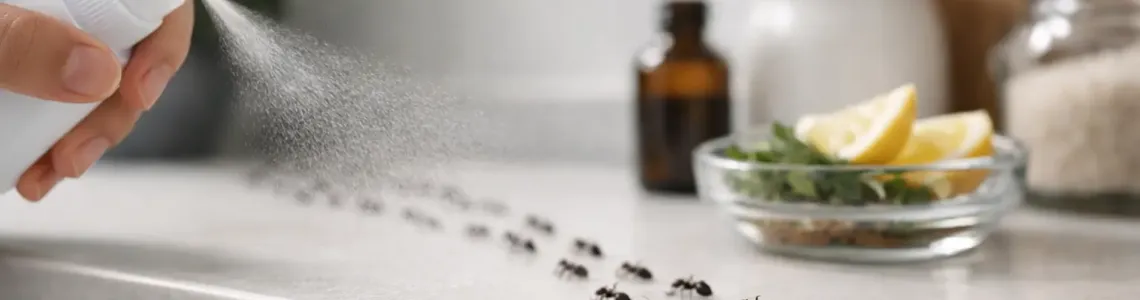
A line of ants crossing the kitchen counter is not a small annoyance. It is a working route between a food source and the colony. The right indoor ant repellent helps break that route fast, but lasting control takes more than spraying the first ants you see. You need to remove what attracts them, treat the entry points, and choose a solution that suits the rooms your family, pets, and food use every day.
Why Ants Keep Returning Indoors
Ants rarely wander into a home without a reason. A few crumbs under the toaster, sticky drink residue, a pet-food bowl, or an unsealed pantry item can be enough to attract scouts. Once a scout finds food or moisture, it leaves a scent trail that tells other ants exactly where to go. That is why one or two ants can become a steady line by the afternoon.
Water matters too. Ants often appear around sinks, dishwashers, bathroom cabinets, leaking pipes, and damp mops. During very dry or rainy weather, they may enter simply to find a more reliable environment. Repelling visible ants without fixing the food or moisture source often gives you a short-lived result.
Look closely at where the trail begins and ends. Common access points include gaps around window frames, door thresholds, utility pipes, floor cracks, wall edges, and openings beneath cabinets. The most effective plan targets those routes instead of treating every surface in the room.
What an Indoor Ant Repellent Should Do
A useful indoor product should fit the problem you actually have. Some products are made to create a barrier along entry points, while others are better for treating active ants on contact. Baits work differently: ants carry the material back to the colony, which can be helpful when you need to address the source rather than only the trail.
For a home with children or pets, product placement is as important as the formula. Choose pest-control products with clear indoor directions and follow the label exactly. Keep sprays, powders, and bait stations away from hands, paws, toys, food-preparation surfaces, and pet bowls unless the product specifically states that use is permitted.
Natural or scented repellents can be appealing for light activity or regular maintenance, particularly around windows and non-food areas. Still, they are not automatically the right answer for a heavy infestation. If ants are appearing daily in multiple rooms, nesting inside walls, or returning immediately after treatment, use a more complete control approach or consider professional help.
Start With the Ant Trail, Not the Whole House
The fastest way to waste product is to spray randomly. Start by following the trail when ants are active. Wipe the route with a household cleaner to remove food residue and disrupt the scent trail, then dry the area fully. This does not eliminate the colony, but it makes it harder for other ants to follow the same path.
Next, inspect the nearest edges and gaps. Apply your chosen repellent only where the label allows, focusing on likely entry points such as window sills, door frames, cracks behind appliances, and pipe openings. Avoid treating countertops, cutting boards, dishes, and other food-contact areas unless a product is specifically labeled for those surfaces.
If you use a bait, do not place repellent spray directly beside it. Repellent may push ants away before they reach the bait. Put bait close to the active route but out of reach of children and pets, then give the ants time to feed and carry it back. You may see more activity at first. That can mean the bait is being found, not that it has failed.
Clean Up the Ant Buffet
Ant control gets easier when your kitchen and living spaces stop offering easy rewards. Wipe counters after cooking, sweep under dining chairs, rinse recyclable containers, and empty trash regularly. Store cereal, snacks, sugar, flour, and pet treats in tightly sealed containers rather than relying on folded bags or cardboard boxes.
Do not forget the less obvious spots. Grease behind the stove, syrup on a bottle cap, fruit left on the counter, and crumbs in a couch can all support an ant trail. In bathrooms, wipe standing water and repair leaks where possible. A clean, dry room gives an indoor ant repellent a much better chance to work.
Choose the Right Product Type for the Job
It depends on the kind of ant activity you are seeing. A fast-acting spray can be useful when ants are already moving across a visible route and you need immediate relief. It is a direct answer for active trails, but it may not solve a colony hidden in a wall, under flooring, or outside near the foundation.
Barrier repellents are best used around entry points and protected perimeter areas. They help make your home less inviting, especially after you have cleaned the trail and sealed small gaps. Reapply only as directed, because overusing product does not make the barrier stronger and can create unnecessary exposure indoors.
Baits are often the smarter choice for recurring trails that seem to come from one consistent source. The trade-off is patience. They do not always give the instant visual result of a spray, and the ants must accept the bait. Some species prefer sweet food; others prefer protein or grease. If a bait remains untouched, try a different bait type rather than assuming all baits do not work.
For occasional ant visitors, a simple repellent and better food storage may be enough. For persistent activity, combine cleaning, entry-point treatment, and colony-focused baiting. This layered approach gives you visible control now and a better chance of fewer ants next week.
Common Mistakes That Keep Ants in the House
One common mistake is killing the ants you can see and leaving the trail untouched. Another is switching products every day before any bait has time to work. Ant control is not about using the strongest scent or the largest amount. It is about placing the right product in the right spot and removing the reason ants entered.
Avoid mixing cleaners, pesticides, essential oils, and home remedies in the same area. Besides making it difficult to know what is working, some combinations can be unsafe or may interfere with bait activity. Use one clear plan, keep products in their original containers, and read the directions before each application.
Sealing gaps also matters, but timing counts. If ants are actively using a crack and you seal it without addressing the colony, they may simply find another opening. Clean the route, treat or bait as appropriate, then close gaps around pipes, baseboards, windows, and doors once activity has reduced.
A Safer Routine for Homes With Kids and Pets
Pest control should not turn your home into a restricted zone. Keep treatments targeted and use physical prevention wherever possible. Place bait stations only in protected locations, such as behind appliances or inside secured bait holders. Let sprayed areas dry completely before children and pets return, following the product label for any additional precautions.
Vacuuming, regular mopping, sealed food storage, and prompt spill cleanup do more than make rooms look better. They reduce the repeat demand that brings ants back. If you have a crawling baby or a pet that investigates every corner, this prevention-first routine is especially valuable.
Store all pest-control products in a locked cabinet or high shelf. Never transfer them into drink bottles, food containers, or unlabeled spray bottles. If a child or pet may have touched or swallowed a product, follow the label emergency instructions and contact the appropriate medical or veterinary service right away.
When It Is Time to Escalate
A few ants near a window can usually be handled with a focused home routine. Repeated trails in several rooms, piles of sawdust-like material, ants emerging from outlets, or activity that continues for weeks may point to a larger nesting issue. Carpenter ants, in particular, deserve attention because they can nest in damp or damaged wood.
At that stage, take notes on where and when you see activity, what food seems to attract the ants, and which treatments you have already used. This makes it easier to choose the next product or explain the situation to a pest professional. You do not need to treat every room - you need to treat the pattern.
A clean counter, a sealed pantry, and a targeted repellent routine can make your home a far less rewarding stop for ants. Act when the first scouts appear, keep treatment focused, and give the right method enough time to do its job.
Related Products