








-50x50.png "ClearWhite GlassRestore Pro | Polish Cermin Kereta | Car Glass Polish Watermark and Water Spot Remover | Polish Cermin Hadapan | Kesan Wiper")


Kid Safe Cockroach Killer: What Actually Works
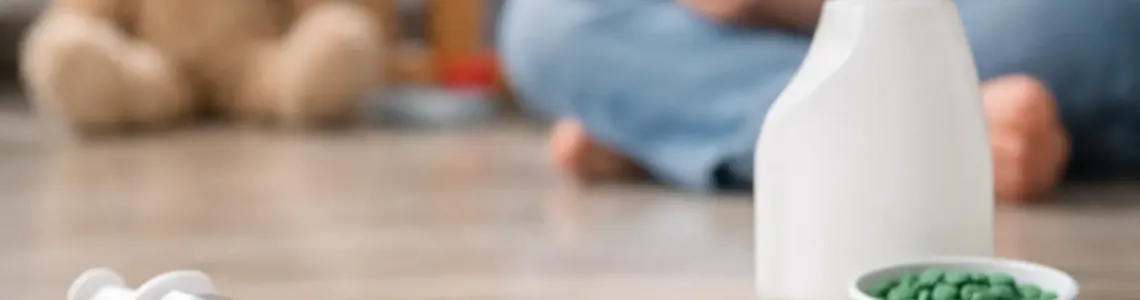
A cockroach sighting near a child’s snack drawer or under a high chair creates an immediate problem: you need the roaches gone, but you do not want loose poison, strong fumes, or exposed traps within reach. A kid safe cockroach killer is not one single product. It is a control plan that combines careful product selection, protected placement, and the simple cleanup habits that stop roaches from returning.
The most useful starting point is this: no pest-control product is completely risk-free when used carelessly. “Kid safe” should mean reduced exposure when the product is used exactly as directed, stored securely, and placed where children cannot touch it. That distinction helps you choose a solution that works against roaches without turning your kitchen, bathroom, or nursery into a hazard.
What Makes a Cockroach Killer Safer Around Kids?
A safer choice begins with how the product is contained. Cockroach baits in enclosed, tamper-resistant stations are generally a more practical option for homes with young children than open bait trays, loose powder, or broad surface spraying. The bait stays inside the station, while foraging roaches carry it back to their hiding areas.
The trade-off is speed. A fast knockdown spray can kill a roach you can see right now, while bait is designed to work through the colony over time. For a family home, that slower, targeted approach is often worth it because it avoids treating every visible surface.
Look for clear instructions that specify indoor use, target pests, placement directions, and storage requirements. Do not assume that a product labeled natural, plant-based, or low odor is automatically safe to leave exposed. Natural ingredients can still irritate skin, eyes, or airways, and any pest-control product should stay out of a child’s hands.
The Best Kid Safe Cockroach Killer Strategy
The strongest results come from using several small actions together, not from overapplying one product. Roaches need food, water, shelter, and a way inside. Remove those advantages while using targeted control in areas children cannot access.
Use enclosed bait where roaches travel
Place enclosed bait stations in hidden, dry locations where roaches are likely to move: behind the refrigerator, under the sink, beside plumbing entry points, behind a washing machine, or inside a closed cabinet that children cannot open. Follow the package directions for the number of stations and spacing. More is not always better, and placing bait in the middle of an open floor rarely solves the problem.
Do not place bait beside food-prep surfaces, inside toy storage, or anywhere a crawling child can reach. If your child can access a cabinet, use a child safety lock or choose another location. Check stations regularly and replace them according to the label or when they are empty, damaged, or contaminated with moisture.
Reserve sprays for limited, controlled use
A cockroach spray can be useful for a visible roach or a tight crack where insects are entering, but it should not be the default treatment for a home with kids. Never spray toys, bedding, high chairs, food-contact surfaces, or areas where children play. Keep children and pets out of the treatment area for the full time listed on the label, then ventilate and clean any surfaces as directed.
Avoid spraying directly around bait stations. Repellent sprays can push roaches away from the bait, making your long-term treatment less effective. If you need immediate relief from an active roach, use the spray only where the label allows, then return to baiting and sanitation for colony control.
Treat cracks, not living spaces
Roaches prefer narrow, dark hiding places. Focus on gaps around pipes, cabinet joints, baseboards, appliance motors, and wall penetrations. Seal accessible cracks with suitable caulk after you have cleaned and treated the area. This reduces both hiding spots and entry routes.
Be cautious with loose insecticidal dusts, gels, and boric-acid-based products when children are present. These products can be effective when professionally applied or used in inaccessible voids, but exposed residue is not appropriate near hands, toys, or food. If you cannot guarantee the area will remain inaccessible, choose a contained option instead.
Remove the Food and Water Roaches Need
Even the right cockroach killer will struggle if roaches have a nightly buffet. A few crumbs under the toaster, a leaking pipe, or pet food left out overnight can keep an infestation active.
Start with the kitchen. Wipe counters and stovetops after cooking, sweep under appliances, and store cereal, rice, flour, and snacks in sealed containers. Empty indoor trash regularly and rinse recyclables before placing them in the bin. If a child eats in the car or living room, clean those areas too. Roaches follow crumbs far beyond the kitchen.
Water matters just as much. Dry the sink before bed, repair drips, empty standing water from trays, and avoid leaving wet sponges in a closed, humid space. In bathrooms, clean around the toilet base, vanity pipes, and floor drains. A small leak can support a surprising number of roaches.
For homes with babies or toddlers, make a quick evening reset part of the routine: clear food from the floor, wipe the high chair, close the trash, and check that bait stations remain hidden and intact. It takes minutes and makes your pest-control product work harder.
Know When DIY Control Is Not Enough
One or two roaches can arrive through grocery bags, deliveries, drains, or shared walls. Repeated daytime sightings are different. Roaches are mostly active at night, so seeing several during the day may point to a larger infestation or crowded hiding sites.
Call a licensed pest professional if you find egg cases, droppings that resemble black pepper or coffee grounds, a persistent musty odor, or ongoing activity after several weeks of correct bait placement and cleaning. This is especially relevant in apartments, condos, and connected homes, where roaches may move between units. A professional can identify the species, inspect hidden areas, and recommend a treatment plan that accounts for children and pets.
If a child touches a bait station, spray container, or pest-control product, remove the item, wash hands with soap and water, and check the product label for first-aid guidance. Contact a poison control center or seek medical advice immediately if the product was swallowed, placed in the eyes, or causes symptoms. Keep the packaging available so you can provide the exact product information.
Smart Shopping Checks Before You Buy
When comparing a kid safe cockroach killer, choose function over flashy promises. A product should tell you exactly where it can be used, what pest it targets, how long to keep people away after treatment if relevant, and how to store it. Clear instructions are a safety feature.
Prioritize enclosed bait stations for ongoing indoor control, especially in kitchens and bathrooms. Choose a quick-action spray only when you can apply it precisely and keep the treated area inaccessible. If you need help maintaining a cleaner, less inviting home, pair pest control with practical cleaning essentials that make grease, crumbs, and lingering food residue easier to remove.
Roach control is rarely about using the strongest product. It is about making the home difficult for roaches to use while keeping every treatment securely out of reach. Set the bait where roaches travel, clean the conditions that support them, and give the plan enough time to do its job.
Related Products