









-50x50.png "ClearWhite GlassRestore Pro | Polish Cermin Kereta | Car Glass Polish Watermark and Water Spot Remover | Polish Cermin Hadapan | Kesan Wiper")


Marble Cleaner: Clean Stone Without the Damage
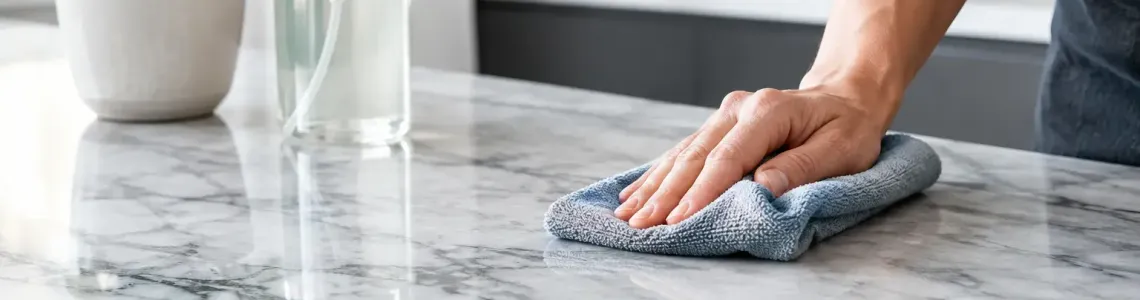
A marble cleaner should solve the mess without creating a bigger, more expensive problem. Marble looks hard, but its calcium-based surface can dull, etch, or discolor when it meets the wrong spray. The goal is simple: remove grease, fingerprints, soap residue, and everyday spills while keeping the stone’s natural finish intact.
Why marble needs a dedicated cleaner
Marble is not like ceramic tile, stainless steel, or laminate. It is a porous natural stone, and many marble surfaces contain tiny openings that can absorb liquids. More importantly, acids react with the stone itself. That is why a quick wipe with vinegar, lemon juice, or an acidic bathroom cleaner can leave pale, cloudy marks that look like stains but are actually etched areas.
Etching is a change in the surface finish. On polished marble, it often appears as a dull spot that catches the light differently. On honed marble, it can be harder to spot, but the surface may feel rougher or look uneven. A standard all-purpose cleaner may work perfectly on other surfaces while being a poor match for marble.
A suitable marble cleaner is typically pH-neutral, non-abrasive, and made to rinse or wipe away without leaving a heavy film. It should lift daily grime rather than rely on harsh acids or aggressive scrubbing. For busy kitchens and bathrooms, that difference protects both the stone and the money spent installing it.
What to use on marble every day
For routine cleaning, start with a soft microfiber cloth or mop and warm water. If the surface needs more than a dusting, use a small amount of stone-safe, pH-neutral cleaner according to its label directions. Wipe the area, then buff dry with a clean microfiber cloth. Drying is not just for shine - it helps prevent water spots and streaks, especially around sinks, shower ledges, and polished countertops.
Use as little product as the job requires. Too much cleaner can leave residue that makes marble look cloudy or attracts dust on floors. If a countertop only has a few crumbs and light fingerprints, a damp cloth followed by a dry cloth may be enough. Save the cleaner for cooking splashes, tracked-in dirt, oily marks, and bathroom buildup.
For marble floors, avoid soaking the surface. A well-wrung microfiber mop is safer than a dripping wet mop, particularly when grout lines, edges, or cracks can hold moisture. Sweep or vacuum with a hard-floor setting first so sand and grit do not get pushed across the stone like sandpaper.
The cleaners that can damage marble
The fastest way to lose marble’s smooth shine is to treat it like a standard bathroom or kitchen surface. Keep acidic products away from marble, including vinegar, citrus-based sprays, lime-scale removers, and many toilet or shower cleaners. Acidic products may cut through mineral deposits, but marble is also mineral-based, so the cleaner can cut into the finish at the same time.
Avoid scouring powders, gritty cream cleaners, steel wool, rough scrub pads, and abrasive brushes. These can scratch polished marble and wear down a honed finish over time. Strong alkaline degreasers can also be risky if left on the surface too long, while bleach may cause color changes or weaken sealers depending on the stone and product concentration.
Do not assume a product is safe because it says “natural” or “multipurpose.” Lemon, vinegar, and essential-oil blends are common in homemade cleaning recipes, but natural does not automatically mean marble-safe. Check for wording such as “safe for natural stone” and “pH-neutral,” then test in a hidden corner when trying a new product.
Handle spills before they become stains
Speed matters more than scrubbing power. Blot spills right away with a clean towel or paper towel. Do not wipe a puddle back and forth, since that spreads liquid across more stone and pushes pigments into pores. Rinse the area with a damp cloth, use a marble cleaner if needed, and dry thoroughly.
Red wine, coffee, tea, cooking oil, curry, tomato sauce, makeup, and hair dye deserve extra attention. Oil can darken marble because it penetrates below the surface. Colored liquids can leave visible stains, while citrus, wine, and tomatoes bring the added risk of etching.
If a mark remains after gentle cleaning, first identify what happened. A darkened area may be an absorbed stain. A light, dull, or rough patch is more likely etching. A cleaner may help with surface soil, but it cannot reverse etched marble. Light etching sometimes needs professional honing or polishing, while deep staining may require a stone-specific poultice or specialist advice. Knowing the difference prevents repeated cleaning attempts that make the finish worse.
A practical marble cleaning routine
A simple routine keeps maintenance low and results visible. Wipe kitchen counters after food prep, especially after handling acidic ingredients. Dry sink surrounds after use. In bathrooms, remove toothpaste splashes, makeup residue, and soap film before they build up. For flooring, sweep frequently in busy areas and mop only when the floor actually needs it.
Place mats near entryways and use felt pads under decorative items, trays, and furniture. On a marble vanity, keep perfume, skincare, and hair products on a tray rather than directly on the stone. These small habits reduce ring marks, scratches, and surprise stains without adding another complicated chore to the week.
If you have children or pets, choose cleaning products that clearly state their surface compatibility and follow the directions for ventilation, drying time, and storage. “Safe around pets” does not mean a cleaner should be left wet on the floor or within reach of curious hands. Product safety and surface safety both matter.
Does sealed marble still need special care?
Yes. Sealer helps slow absorption, but it does not turn marble into a stain-proof or acid-proof surface. Think of it as extra reaction time: a spill may stay closer to the surface long enough for you to blot it up before it sinks in. It will not stop lemon juice or vinegar from etching the finish.
How often marble needs sealing depends on the type of stone, its finish, how heavily it is used, and the sealer already applied. A busy kitchen island may need more attention than a decorative table. If water darkens the stone quickly instead of beading on the surface, it may be time to assess the sealer. When in doubt, follow the stone installer’s guidance or ask a stone-care professional before applying another coating.
Choosing the right marble cleaner for your home
Look beyond bold claims such as “deep clean” or “extra strength.” For marble, the best product is the one that matches the job without taking unnecessary risks. A daily countertop spray should be easy to wipe dry and leave no sticky residue. A floor formula should be low-residue and compatible with your mop or cleaning machine. Bathroom stone care may need help with body oils and light soap film, but it should still avoid acidic descaling ingredients.
Read the label for natural-stone compatibility, pH-neutral wording, dilution instructions, and surfaces to avoid. Concentrated products can offer good value, but only when they are diluted correctly. Using extra product rarely creates extra cleaning power - it often creates streaks, wasted solution, and more rinsing.
For households managing several surfaces, keep your marble cleaner separate from heavy-duty bathroom, glass, and kitchen degreasing products. Clear labeling prevents a rushed cleaning session from turning into an avoidable repair bill.
When to call a professional
Call a stone-care professional for deep scratches, widespread dullness, cracks, loose tiles, stubborn rust marks, or large stains that do not respond to marble-safe treatment. DIY care is ideal for daily cleaning and quick spill response. Restoration is different work, often involving specialized abrasives, polishing compounds, and experience with the specific type of stone.
Marble rewards consistent, gentle care. Keep a pH-neutral marble cleaner and soft microfiber cloth within easy reach, handle spills quickly, and let the stone’s natural character shine instead of fighting it with harsh chemicals.
Related Products
