









Pest Control That Works Starts at the Source

A cockroach crossing the kitchen at night, bites that appear after sleep, or mosquitoes gathering near the patio can make a home feel less comfortable fast. Effective pest control is not about spraying every corner and hoping for the best. It is about identifying the pest, removing what attracts it, treating the right areas, and preventing the next infestation before it starts.
The fastest solution is rarely the most random one. A product made to repel lizards will not solve a flea problem. A bed bug treatment needs a different approach from an ant bait or mosquito spray. When the target and treatment match, you use less product, get clearer results, and protect the spaces your family, pets, and guests use every day.
Why Pest Problems Keep Coming Back
Most repeat pest problems have a simple cause: the pest still has access to food, water, shelter, or an entry point. Killing the insects you see can provide immediate relief, but it may not touch the nest, breeding area, eggs, or pathway that caused the activity in the first place.
Cockroaches often return where crumbs, grease, pet food, leaking pipes, and cardboard clutter are available. Ants follow scent trails toward food and water. Mosquitoes breed in standing water, even in small containers, plant trays, or blocked drains. Fleas can remain in pet bedding, rugs, floor cracks, and upholstery after adult fleas have been treated. Bed bugs hide close to where people sleep, including mattress seams, bed frames, headboards, and nearby furniture.
That is why a clean-looking room is not always a pest-free room. Pests use hidden gaps and overlooked moisture. Your goal is to interrupt their routine, not just react when one appears.
Pest Control Begins With Identification
Before choosing a spray, repellent, trap, or treatment, look for clues. Where are you seeing the pest? Is activity mostly at night? Are there bites, droppings, shed skins, chewed packaging, nests, or a musty odor? A quick inspection helps you spend on a solution that fits the actual problem.
For crawling insects, check under sinks, behind appliances, around trash areas, inside cabinets, and along wall edges. For bed bugs, inspect mattress piping, bed joints, luggage, upholstered furniture, and cracks beside the bed. For mosquitoes, walk around the exterior after rain and look for anything holding water. For lizards, examine windows, light fixtures, exterior gaps, and places where insects gather, since an insect-rich area can attract them.
Do not assume every small bug is the same. Tiny black ants, termites, gnats, fleas, and cockroach nymphs require different responses. If you cannot identify the pest with confidence, start by documenting where and when you see it. That pattern can reveal whether you need a contact treatment, a bait, a repellent, better sanitation, or professional help.
Choose Treatment by Pest and Location
A good household pest control setup usually combines a fast-response product with prevention. The exact mix depends on the pest, the room, and whether children or pets can reach the treated area.
For roaches, ants, and other crawling insects
Fast-acting sprays are useful when you need to knock down visible insects quickly. Apply only where the label allows, focusing on cracks, voids, entry points, and pest pathways rather than broad, unnecessary coverage across counters or floors. Keep food, dishes, toys, and pet bowls away from treatment areas until they are cleaned or safe to return according to product directions.
For ants, removing the food source matters as much as treatment. Wipe sticky spills, seal sugar and snacks, rinse recyclables, and do not leave pet food out overnight. If ants are traveling in a line, follow it back toward the entry point. Treating the path without sealing the gap may only redirect them.
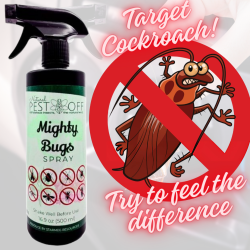
For roaches, reduce hiding places as well as food. Clear cardboard stacks, repair leaks, empty trash regularly, and clean grease around the stove. A targeted cockroach product can work well, but it performs better in a kitchen that no longer offers easy meals.
For mosquitoes, flies, lizards, and outdoor nuisance pests
Repellents are designed to make an area less inviting rather than eliminate an established infestation. They are a practical choice around patios, windows, balconies, entryways, trash areas, and exterior walls when used as directed. A lizard repellent, often labeled Halau Cicak, can help discourage lizards from frequenting suitable surfaces, but it will be more effective when you also reduce the insects drawn to bright lights and food residue nearby.
Mosquito control starts with water. Empty buckets, refresh pet water as needed, clear gutters, cover stored water, and tip out saucers after rain. If you use an outdoor treatment, apply it strategically to likely resting or entry areas, never as a substitute for removing breeding sites.
For fleas and bed bugs
Fleas and bed bugs need patience because they have life stages and hiding places that make one quick application unreliable. For fleas, treat the pet only with products made for that animal and approved by your veterinarian where necessary. Then wash bedding, vacuum rugs and furniture thoroughly, empty the vacuum outside, and treat indoor areas with a flea product designed for the surface and situation.
For bed bugs, isolate and inspect the sleeping area first. Wash and dry bedding using the hottest settings safe for the fabric. Vacuum mattress seams, bed frames, baseboards, and nearby furniture. Use a product clearly labeled for bed bugs, following all directions on preparation, application, ventilation, and repeat treatment. Never apply an insecticide to skin, bedding, or a mattress unless its label specifically permits that use.
Use Pest Products Safely Around Kids and Pets
A kid- and pet-conscious choice is not the same as a product you can use carelessly. Even products positioned for family homes must be used exactly as directed. Read the label before opening the bottle, not after spraying. Check the target pest, approved surfaces, application amount, ventilation instructions, dry time, and storage requirements.
Keep children and pets out of the treatment area during application and until the label says it is safe to return. Store products in their original containers, high up or in a locked cabinet. Do not mix pest products with bleach, cleaners, or other chemicals. Mixing does not create a stronger solution. It can create harmful fumes or damage surfaces.
Natural repellents can be a useful option for routine deterrence, especially in spaces where you prefer a lighter approach. Still, natural does not automatically mean safe for every pet, person, or surface. Test a small hidden area when appropriate, avoid eyes and food-contact surfaces, and use only as instructed.
A Pest Control Plan That Stops Repeat Visits
Think of prevention as the part of pest control that saves the most effort later. Once treatment has reduced activity, make the home less rewarding for pests. This does not require specialist equipment. It requires a few consistent habits.
Keep dry goods in sealed containers, wipe counters after meals, take trash out before it overflows, and clean beneath appliances regularly. Repair leaking faucets and pipes, because moisture can support roaches, ants, and other unwanted visitors. Seal gaps around doors, windows, utility lines, and pipes with suitable materials. Replace damaged screens and make sure door sweeps sit close to the threshold.
In bedrooms, reduce clutter around beds and avoid placing travel bags directly on mattresses after trips. In pet areas, wash bedding regularly, vacuum around sleeping spots, and store food in sealed containers. Outdoors, trim vegetation away from exterior walls, remove standing water, and keep garbage lids closed.
These steps may sound basic, but they change the conditions pests depend on. Treatment handles the immediate problem. Prevention reduces the reason to come back.
When to Call a Professional
Some situations need more than a household product. Consider professional support when you see termites or signs of structural damage, repeated bed bug activity, a large cockroach infestation, rodents inside walls, stinging insect nests in difficult locations, or bites that continue after careful treatment. Renters should also notify their property manager early, especially when pests may be moving between units.
A professional inspection can identify hidden nesting sites, confirm the pest, and set a treatment schedule that matches the severity of the problem. You can still support the results by following preparation instructions and keeping up the prevention work afterward.
A pest-free home is built through small, targeted actions: inspect early, choose the product for the pest, use it carefully, and remove the conditions that keep pests comfortable. Start with the room causing trouble today, then give every treatment a better chance to work.
Related Products