







-50x50.png "ClearWhite GlassRestore Pro | Polish Cermin Kereta | Car Glass Polish Watermark and Water Spot Remover | Polish Cermin Hadapan | Kesan Wiper")


-(1)-50x50.png "EziSac Lizard Repellent - Fast Acting Effective Natural Long-Lasting No Mess No Sticky Formula to Halau Cicak")

Pet Safe Disinfectant Spray: Clean Without Worry
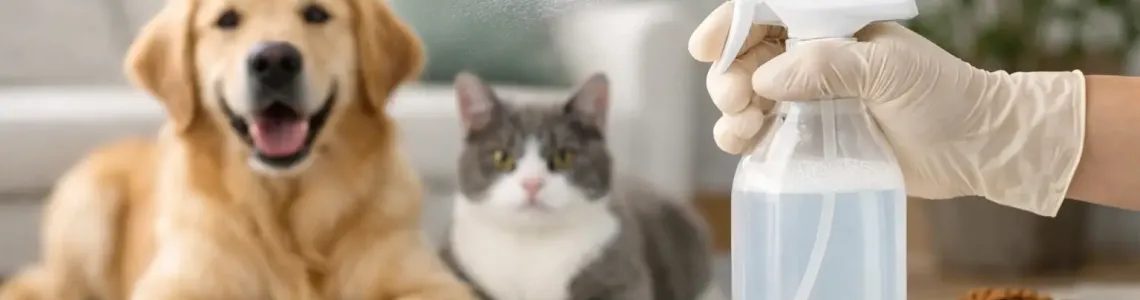
A muddy paw print is easy to see. The bacteria carried in on that paw, the germs around a food bowl, or the grime on a crate latch are not. A pet safe disinfectant spray helps you deal with the mess without turning routine cleaning into another worry for your dog, cat, rabbit, or other household pet.
The key is not simply choosing a bottle labeled “safe.” It is choosing the right formula for the surface, using it exactly as directed, and keeping pets away until the area is ready for normal use. Done properly, disinfecting supports a cleaner home while protecting the animals who spend the most time close to the floor.
What “Pet Safe” Should Mean
Pet-safe claims deserve a closer look. A disinfectant is designed to kill or reduce specified germs on hard, nonporous surfaces. That means it contains active ingredients, and active ingredients must be used with care. “Pet safe” should never mean a pet can lick the wet spray, breathe a heavy mist, or walk across a freshly treated floor before it has dried.
Instead, look for clear instructions that explain where the product can be used, how long it must remain wet to disinfect, whether rinsing is needed, and when children and pets can return to the area. A responsible product makes these steps easy to find. If a label is vague, makes sweeping safety promises, or does not state its intended surfaces, choose another option.
This distinction matters because cleaning and disinfecting are different jobs. Cleaning removes visible soil, fur, food residue, and grease. Disinfecting addresses germs on a surface that is already clean enough for the active ingredient to make contact. Spraying a dirty floor and walking away may leave it looking fresher, but it may not deliver the disinfection result you expect.
Where a Pet Safe Disinfectant Spray Helps Most
You do not need to disinfect every inch of your home every day. That wastes product and can add unnecessary chemical exposure. Focus on the places where pets eat, sleep, travel, play, and track outdoor dirt back inside.
Hard floors near entryways, litter box areas, feeding stations, crate trays, carrier interiors, grooming tables, washable kennel surfaces, and sealed tile are common targets. Door handles, cabinet pulls, taps, and the outside of trash bins also collect germs from human and pet traffic. For multi-pet homes, these high-touch zones deserve extra attention after accidents, illness, boarding, or muddy weather.
Surface type changes the decision. Nonporous materials such as glazed tile, sealed laminate, stainless steel, plastic, and properly sealed countertops are generally easier to disinfect because the liquid can sit evenly on top. Unsealed wood, natural stone, damaged grout, fabric, leather, and heavily textured surfaces may absorb liquid or react to it. For those materials, follow the care instructions for the surface first and test a small hidden area when appropriate.
Pet dishes and water bowls need special care. A disinfectant may be suitable for the outside of a bowl or the surrounding floor, but anything that contacts food or drinking water should be rinsed thoroughly if the label permits that use. When in doubt, wash bowls with hot water and dish soap, rinse well, and reserve disinfectant for the surrounding hard surfaces.
How to Use It Without Creating a New Problem
A good disinfecting routine is simple, but the order matters. Start by moving pets, bowls, toys, bedding, and food away from the cleaning area. Open a window or improve ventilation, especially in smaller rooms such as laundry areas, bathrooms, and enclosed kitchens.
First remove fur, dirt, urine residue, food, or visible mess. Use a cleaner suited to the surface, then wipe away the soil. This step prevents organic buildup from getting in the way of the disinfectant.
Next, apply the spray according to its label directions. Some products are ready to use, while concentrates require exact dilution. Do not assume more product works better. Overapplying can leave residue, create streaks, and lengthen drying time without improving the result.
Keep the surface wet for the stated contact time. This is one of the most commonly missed steps. If a label says the surface must remain wet for several minutes, a quick spray followed by an immediate wipe is not the same as disinfecting. On large areas, work in manageable sections so the spray does not dry before the contact time is complete.
Afterward, wipe or rinse if the label calls for it. Allow the area to dry fully before your pet comes back. This matters most for floors, low cabinets, crate surfaces, and anywhere curious noses and tongues can reach. Put toys, beds, and bowls back only when the space is dry and free from excess product.
Ingredients, Fragrance, and Sensitivity Considerations
There is no single ingredient rule that fits every home. Pets vary in size, age, health, grooming habits, and sensitivity. A large dog that stays off the kitchen floor has a different exposure pattern than a kitten that grooms after every walk across it.
Avoid using any household disinfectant directly on an animal, on a pet’s coat, or on open wounds unless it is specifically made and labeled for veterinary use. Never mix disinfectants with bleach, ammonia, vinegar, or other cleaners. Mixing products can create harmful fumes or reduce effectiveness.
Fragrance is another practical consideration. A strong perfume may make a room smell “clean,” but it can be unpleasant for animals with far more sensitive noses. If your pet coughs, sneezes, avoids a room, shows watery eyes, or seems unusually restless after cleaning, stop using the product in that area, ventilate the space, and speak with a veterinarian if symptoms continue.
For homes with birds, small mammals, reptiles, fish tanks, or pets with respiratory conditions, be more cautious with aerosols and scented sprays. Use only products whose label supports your intended setting, avoid spraying near cages or tanks, and keep these animals out of the room until ventilation and drying are complete. A spray that works well around a dog may not be the best choice near a bird.
Common Mistakes That Reduce Safety and Results
The biggest mistake is treating a disinfectant like an all-purpose cleaner. A sticky feeding mat, litter spill, or greasy countertop needs visible soil removed first. Otherwise, you may use more spray yet get less benefit.
Another mistake is letting pets return too soon. Floors can look dry at a glance while seams, grout lines, or textured surfaces still hold moisture. Give the area enough time, especially when humidity is high. In Malaysia’s warm, humid conditions, drying can take longer than expected, so good airflow is a practical part of the process.
Storage matters too. Keep the bottle in its original container, tightly closed, and out of reach of children and pets. Do not transfer disinfectant into an unmarked bottle. If a pet chews, spills, or ingests a cleaning product, follow the product’s emergency guidance and contact a veterinarian promptly.
Build a Routine That Fits Your Home
Daily spot cleaning is usually enough for feeding areas, litter-adjacent floors, muddy entry points, and fresh accidents. A more thorough disinfection schedule depends on your home. A single indoor cat may need less frequent disinfecting than a busy household with two dogs, kids, visitors, and frequent outdoor activity.
Keep the routine realistic: clean first, disinfect targeted hard surfaces, allow proper contact time, and let everything dry before pets return. Pair your disinfectant with practical basics such as microfiber cloths, dedicated pet-area cleaning tools, and washable mats. This keeps cleaning fast and prevents you from reaching for a harsh product out of frustration.
The best pet safe disinfectant spray is one you can use confidently and correctly, not one that promises magic in a single mist. Choose clear directions, respect the drying time, and make targeted cleaning part of the rhythm of your home. Your pets get a fresher space to enjoy, and you get one less everyday mess to manage.
Related Products
