









-50x50.png "ClearWhite GlassRestore Pro | Polish Cermin Kereta | Car Glass Polish Watermark and Water Spot Remover | Polish Cermin Hadapan | Kesan Wiper")


Pet Safe Flea Spray: What Actually Works
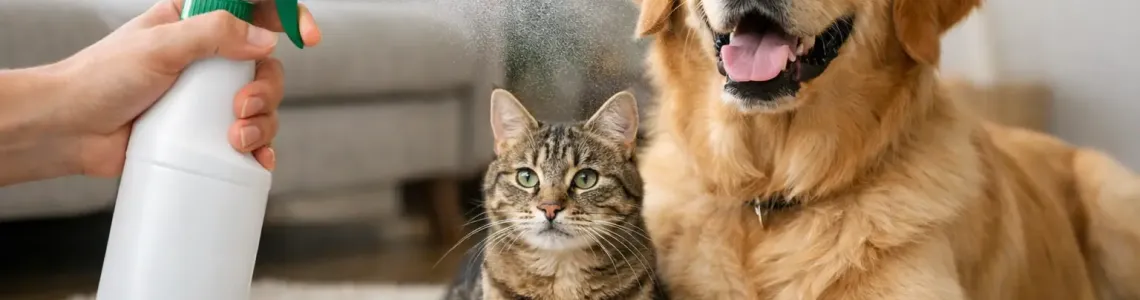
A single flea on the sofa is rarely just a single flea. Adult fleas you can see are only part of the problem - eggs, larvae, and pupae may already be hiding in carpet fibers, pet bedding, floor cracks, and the quiet corners behind furniture. A pet safe flea spray can help break that cycle, but only when it is used in the right places and paired with a complete cleanup routine.
The goal is not to fill your home with the strongest-smelling chemical you can find. The goal is to treat active flea areas effectively while protecting the dogs, cats, children, and people who share those spaces.
What “Pet Safe” Should Mean
“Pet safe” does not mean a flea spray is harmless in every situation. It means the product is formulated and labeled for use around pets when directions are followed exactly. That distinction matters.
Most flea sprays are designed for household surfaces, not for direct application on an animal’s fur. A spray intended for carpets, bedding, upholstery, or floor edges should stay on those surfaces. Let treated areas dry fully and ventilate the room before allowing pets back in, unless the label specifically gives different instructions.
Check the label for the pests it targets, approved surfaces, application rate, drying instructions, and warnings for cats, birds, fish, or small animals. Cats deserve extra attention because they can be sensitive to ingredients that may be tolerated differently by dogs. If you have an aquarium, cover it and move it away from the treatment zone when possible, since aquatic life can be particularly vulnerable to insect-control ingredients.
Natural also does not automatically mean risk-free. Plant-based oils and fragrances can still irritate skin, trigger respiratory discomfort, or be unsafe for certain pets if concentrated or used incorrectly. A product should earn your confidence through clear instructions and appropriate use - not just a “natural” claim on the front label.
Where to Use a Pet Safe Flea Spray
Fleas gather where pets rest, scratch, and shed. Start with the areas your pet uses every day: pet beds, cushions, rugs, carpeted rooms, upholstered furniture, and the space beneath sofas or beds. Treating only the center of the room often misses the protected edges where flea activity continues.
Before spraying, remove pets, toys, food bowls, water bowls, and washable blankets from the area. Vacuum carpets, rugs, sofa seams, and baseboards first. This lifts flea eggs, larvae, and debris from deep fibers, helping the spray reach the surfaces that matter. Empty the vacuum canister outside immediately, or seal and discard the vacuum bag.
Apply the spray evenly rather than soaking the surface. Pay attention to seams, crevices, under cushions, along baseboards, and beneath furniture. A soaked carpet takes longer to dry and does not necessarily produce better results. Controlled coverage is usually more effective and more practical for a busy home.
Hard floors need a different approach. Fleas are less likely to live in the open middle of a tile or wood floor, but they can hide in gaps, rug borders, and under furniture. Use a product approved for that surface, and avoid spraying areas where a pet will immediately lick, eat, or lie down before the treatment has dried.
Why One Treatment May Not Be Enough
A flea problem can appear to return even after a good first treatment. That does not always mean the spray failed. Flea pupae can remain protected in cocoons, then emerge later when they sense warmth, movement, or carbon dioxide from people and pets.
This is why a complete flea-control plan usually involves repeated cleaning and follow-up treatment according to the product label. Continue vacuuming frequently for several weeks, wash pet bedding in hot water where fabric care allows, and monitor the rooms where your pet spends the most time.
If the product includes an insect growth regulator, it may help stop immature fleas from developing into biting adults. That can be useful for breaking the life cycle, but it still takes time. Fast knockdown of visible fleas and long-term interruption of new flea development are different jobs, and the best approach may address both.
Treat the Pet and the Home Together
No household spray can solve the issue if fleas are still feeding and reproducing on your pet. At the same time, treating a pet without cleaning the home leaves eggs and developing fleas waiting in the environment. Effective control needs both sides covered.
Speak with a veterinarian about the appropriate flea treatment for your dog or cat, especially for puppies, kittens, senior pets, pregnant animals, or pets with medical conditions. Never use a dog flea product on a cat unless the label clearly says it is safe for cats. The wrong treatment can cause serious harm.
Then handle the home routine on the same day if possible. Wash bedding, vacuum resting areas, treat approved surfaces with a pet safe flea spray, and keep pets away until the treated zones are dry. This coordinated approach gives fleas fewer places to hide and fewer chances to restart the infestation.
Common Mistakes That Keep Fleas Around
The most frustrating flea problems often come down to a few missed details. Spraying only where fleas are visible is one of them. Adult fleas jump and move, but immature stages remain hidden close to where pets sleep and rest.
Another mistake is skipping vacuuming. Flea sprays work better as part of a cleaning routine, not as a replacement for one. Vacuuming removes debris, encourages hidden fleas to emerge, and physically reduces eggs and larvae in carpets and upholstery.
Using too much product can create its own problems. More spray does not always mean more control. Follow the label rate, protect food-preparation surfaces, and do not combine pest-control products unless the labels specifically allow it. Mixing treatments can increase exposure without improving results.
Finally, do not stop after the first quiet day. Continue checking pet bedding, rugs, and favorite sleeping spots. A few newly emerged fleas may appear during the following weeks, especially after a heavier infestation. Consistent follow-up is what turns temporary relief into a flea-free home.
Choosing the Right Spray for Your Household
The right flea spray depends on your home, your pets, and where the problem is concentrated. A household with cats needs careful label review. A home with thick carpets may need a formula suited to fabric and a stronger vacuuming routine. A renter may prefer a targeted spray that can be applied precisely to pet zones without treating every room.
Look for a clear use case. Does the product kill adult fleas, help interrupt the flea life cycle, or both? Is it approved for carpets, upholstery, pet bedding, or hard surfaces? Does it require pets to stay out of the room until dry? Straight answers to these questions make a product easier to use safely and correctly.
It also helps to choose a size that matches the treatment area. A small bottle may be enough for one pet bed and a compact living room, while a larger home with multiple carpeted rooms may require more coverage and a planned follow-up application. Buying too little often leads to patchy treatment, while buying more than you can store safely is not useful either.
Keep Fleas From Coming Back
Once the immediate problem is under control, prevention is much easier than another full-home treatment. Keep pets on a veterinarian-recommended flea prevention schedule, wash bedding regularly, and vacuum the spaces where pets nap. If your pet spends time outdoors, check for flea activity after walks, boarding, grooming visits, or contact with other animals.
A pet safe flea spray is most useful when it is part of a smart routine: treat the pet appropriately, clean the home thoroughly, apply the spray where fleas hide, and give the process time to work. That is how you protect your pets, reclaim your furniture, and make scratching at 2 a.m. one household problem you no longer have to manage.
Related Products