








Robot Detergent Versus Floor Cleaner: What Works?
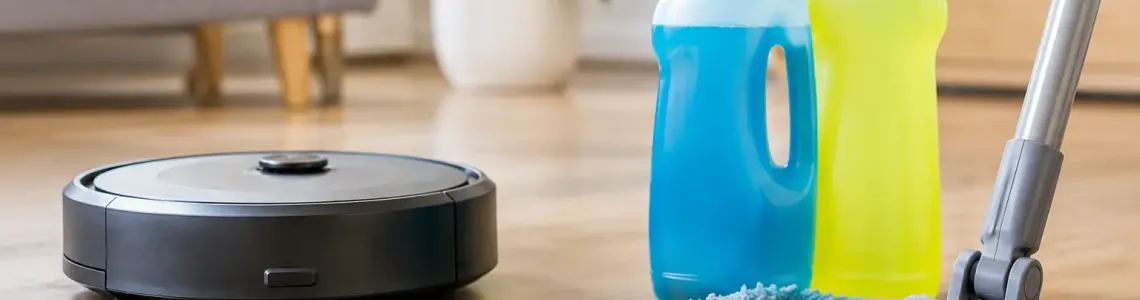
A robot mop can make daily floor care much easier - until cloudy streaks, sticky residue, or a warning light appears after using the wrong liquid. The robot detergent versus floor cleaner question matters because these products may look similar in the bottle, but they are designed for very different cleaning systems. Put a regular floor cleaner into a robot tank, and a quick cleaning shortcut can turn into excess foam, clogged tubing, slippery floors, or expensive maintenance.
The simple rule is this: use a robot-compatible detergent in a robot vacuum mop or wet-cleaning robot, and use regular floor cleaner for manual mopping unless the product label and your robot manufacturer both say otherwise. The details matter, especially if you want clean-looking floors without risking your appliance.
Robot Detergent Versus Floor Cleaner: The Main Difference
Robot detergent is made for a machine that uses a small water tank, controlled liquid flow, internal tubing, pumps, and sensors. It is usually low-foam or no-foam, concentrated, and formulated to rinse cleanly without leaving behind oily residue. A robot does not scrub and rinse a floor the way you do with a bucket and mop. It needs a cleaner that can move through narrow internal parts without creating buildup.
Traditional floor cleaner is typically made for a bucket, spray mop, sponge mop, or hand-held scrubber. Many formulas are designed to provide a stronger fragrance, richer foam, visible shine, or conditioning effect. Those features can be useful during manual cleaning, but they are not automatically safe for robot mop tanks.
A standard floor cleaner may also require dilution at a different ratio than a robot detergent. When too much product is mixed into a small robot tank, it can leave a film on tile, vinyl, laminate, or sealed wood. That film attracts dust quickly, making the floor look dirty again sooner.
Why Regular Floor Cleaner Can Cause Problems in Robots
The biggest issue is foam. Foam may look like a sign that a cleaner is working, but inside a robot mop, it can interfere with water flow and reach parts intended only for liquid. That can reduce cleaning performance and may create leaks or pump issues over time.
Residue is another problem. Some floor cleaners contain waxes, oils, polish agents, or strong surfactants to create gloss or a scented finish. In a robot, these ingredients can collect in the tank, lines, filters, mop pads, or docking station. A residue-heavy formula can also make the robot spread a dull haze across the floor instead of lifting everyday footprints and fine dust.
There is also the manufacturer requirement. Many robot vacuum and mop brands specify whether cleaning solution is allowed at all, and some only approve a dedicated formula. Using an unapproved cleaner may affect warranty coverage if it causes damage. The safest choice is never based only on the label saying “floor cleaner.” Check that it is appropriate for your specific robot model.
When Can You Use Floor Cleaner Instead?
Floor cleaner still has a useful place in your routine. Use it for deeper manual cleaning, targeted spills, greasy kitchen areas, muddy entryways, and areas your robot cannot reach properly. It is also often the better option when you need to scrub grout lines, clean along baseboards, or work on a stubborn dried-on mark.
The key is to keep the two jobs separate. Let the robot handle regular maintenance cleaning with a compatible low-foam detergent or plain water, depending on its instructions. Use your manual floor cleaner when the floor needs more hands-on power.
If you are tempted to use a small amount of regular cleaner in your robot tank, do not guess. “Just a capful” can still be too much for compact internal components. Only use it if the robot manufacturer explicitly permits that type of formula and gives a dilution ratio.
A Quick Compatibility Check Before Filling the Tank
Before adding any liquid, read your robot’s user manual and inspect the cleaner label. You need clear confirmation on three points: whether cleaning solution is permitted, which floor types it supports, and the correct dilution amount.
Choose a robot detergent that is low-foam, non-corrosive, and free from heavy oils or waxes. It should be intended for robot mops, wet-dry vacuums, or automated floor-cleaning machines. If the product claims to be concentrated, follow the mixing directions exactly. More detergent does not mean a cleaner floor. It often means more residue.
For a robot that only vacuums, never add detergent to its dustbin, water tank accessory, or internal compartment unless the manufacturer has designed it for wet cleaning. A vacuum-only robot is not a mop, even if it can carry a damp pad attachment.
Match the Cleaner to Your Floor Type
A compatible robot detergent also needs to suit your flooring. Ceramic tile, porcelain tile, sealed vinyl, and sealed laminate are common robot-friendly surfaces, but each has limits. For example, a cleaner that works well on tile may leave laminate looking streaky if too much liquid is used.
Sealed hardwood needs extra care. Excess water can seep into joints, cause swelling, or weaken the finish. If your robot is approved for sealed wood, use its lowest moisture setting and a gentle cleaner made for that surface. Never use a strong degreaser, bleach-based product, or highly alkaline floor cleaner on wood unless the floor manufacturer specifically permits it.
Natural stone requires caution too. Marble, limestone, travertine, and some terrazzo surfaces can react badly to acidic cleaners such as vinegar formulas. A robot detergent should be pH-balanced and safe for stone if that is the floor you have. When in doubt, test a small hidden area first.
How to Get Better Results From Robot Detergent
The detergent is only part of the result. Start by vacuuming or allowing the robot to complete a dry pass before mopping. Fine sand, pet hair, crumbs, and loose grit can turn into dirty streaks when wet, especially on glossy tile.
Use clean water and empty the dirty-water tank after every run if your machine has one. Leaving dirty water in a dock or tank can create odor and reduce cleaning performance. Wash mop pads regularly as well. A good detergent cannot compensate for a pad that is already loaded with grime.
For homes with pets, children, or frequent kitchen messes, schedule light robot mopping more often instead of relying on an overly strong mixture. Frequent maintenance cleaning reduces the need for harsh products and keeps tracked-in dirt from becoming a sticky layer.
If you notice streaks after switching detergents, stop using the new formula and rinse the tank according to your robot’s care instructions. Run a clean-water cycle if your model supports it, then wash the pad. Often, the streak problem is leftover product rather than the floor itself.
Avoid These Common Mistakes
Do not add dish soap, laundry detergent, bleach, disinfectant, essential oils, or vinegar to a robot mop tank unless your appliance manufacturer expressly approves it. Dish and laundry products are particularly likely to foam, while essential oils and strong chemicals may damage plastic seals or leave residue.
Do not mix products together. Combining cleaners can create unpredictable results, reduce performance, or release unpleasant fumes. Use one compatible solution at the stated dilution, then store the bottle tightly closed and out of reach of children and pets.
Finally, do not treat fragrance as proof of cleanliness. A heavily scented floor can still have detergent buildup, while a lightly scented or fragrance-free robot detergent may rinse far better. Focus on the finish: floors should feel clean underfoot, look clear in natural light, and not feel tacky after drying.
A robot mop is built to keep everyday mess under control, not to replace every deep-cleaning task. Choose a detergent designed for the machine, save regular floor cleaner for manual jobs, and your floors can stay fresher without asking your robot to do work it was never designed to handle.
Related Products
