










Scotch Brite Scrubber Review for Real Kitchens
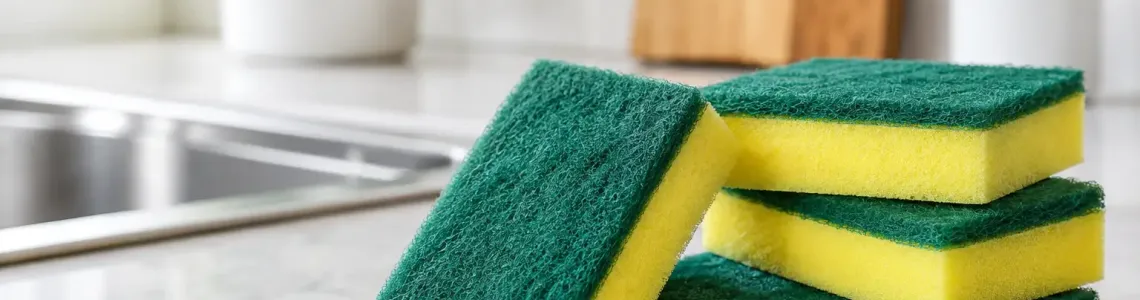
A scrubber earns its place by doing the jobs a dishcloth cannot: lifting cooked-on food, cutting through oily residue, and cleaning surfaces without turning a five-minute wash-up into a frustrating chore. This Scotch Brite scrubber review looks at what these familiar pads do well, where they need a lighter touch, and how to choose the right one for your kitchen.
The short answer is that Scotch-Brite scrubbers remain a dependable choice for routine household cleaning. They are easy to grip, widely available, and offered in different strengths for everything from greasy pots to delicate nonstick pans. The key is not using the strongest pad for every job. Match the scrubber to the surface, and you get faster cleaning with far less risk of scratches.
Scotch Brite Scrubber Review: Performance Where It Counts
For everyday dishwashing, Scotch-Brite sponge scrubbers deliver the balance most homes need. The absorbent sponge side holds dish soap and water for wiping, while the scouring side adds friction to loosen stuck food. That simple two-sided design matters when you are moving from cups and plates to a greasy saucepan without reaching for separate tools.
On stainless steel cookware, glass baking dishes, sinks, and many ceramic surfaces, the heavier-duty scouring versions can remove dried sauces and burnt residue quickly. A few drops of dishwashing liquid and warm water are usually enough. For a stubborn pan, let it soak first. Scrubbing a dry, cold pan with maximum pressure may work eventually, but it wears down the pad faster and can mark certain finishes.
The pads also handle oily messes well. After frying, the scrubber fibers break up grease more effectively than a soft sponge alone. This is especially useful around stove grates, stainless steel sink edges, and food containers that keep a greasy film even after a first wash.
Durability is another reason people keep buying them. A quality Scotch-Brite scrubber normally holds its shape through repeated kitchen use rather than flattening after a few washes. That said, lifespan depends on the job. A pad used only for plates and countertops can last noticeably longer than one used daily on burnt cookware or outdoor grilling tools.
Choose the Scrub Strength Before You Start
The biggest mistake is treating every Scotch-Brite pad as interchangeable. They are made for different cleaning levels, and choosing by color or package alone without reading the label can lead to scratched cookware.
Heavy-duty pads for hard residue
Heavy-duty scouring pads are built for tough grime. Use them for uncoated pots and pans, stainless steel sinks, oven-safe glassware, grill accessories, and durable work surfaces. They are practical when food has baked onto a casserole dish or grease has collected around a cooking area.
Their trade-off is clear: stronger abrasion means a higher chance of surface damage. Keep them away from nonstick coatings, polished decorative metal, soft plastic, acrylic, and any surface that says to avoid abrasives. They are cleaning tools, not universal tools.
Non-scratch scrubbers for daily cookware
Non-scratch versions are the safer option for nonstick pans, coated cookware, glass cooktops, and many dinnerware surfaces. They may need a little more soaking time on burnt food, but that is a worthwhile exchange for protecting the finish of cookware you use every day.
For most households, a non-scratch sponge scrubber should be the default at the sink. Save a heavy-duty pad for the occasional cleaning task that genuinely needs more bite. This two-scrubber setup prevents the common problem of someone grabbing the wrong pad and damaging a favorite pan.
Scrub sponges for fast wash-up
A sponge-and-scourer combination is ideal for the regular pile of dishes after breakfast or dinner. One side wipes and lathers, while the other tackles residue. It is a useful choice for renters, busy parents, and anyone who wants fewer cleaning tools cluttering the sink area.
If you clean large quantities of pots, trays, or food-prep equipment, keep multiple pads on hand. Once a sponge becomes greasy, badly stained, or starts to smell, replace it instead of trying to stretch its life. A worn pad does not clean as efficiently, and it can transfer grime back onto the surfaces you just washed.
What It Cleans Well and What Needs Caution
Scotch-Brite scrubbers perform best on everyday kitchen buildup: dried food, sauce rings, oil, tea stains, sink residue, and cloudy marks on durable dishes. They are also useful beyond the sink. A designated scrubber can clean bathroom basins, shower tiles, plastic storage bins, and outdoor furniture, provided the surface can tolerate the pad’s level of abrasion.
Do not use the same scrubber for kitchen dishes and bathroom cleaning. Keep tasks separate from the beginning. Many homes use different colors or store the pads in separate caddies to avoid confusion.
Be cautious with nonstick cookware, painted surfaces, glossy appliance panels, natural stone, wooden finishes, and vehicle paint. Even a non-scratch product should be tested in a hidden spot when the surface is expensive or sensitive. “Non-scratch” does not mean every material is risk-free, especially if grit is trapped in the pad or you scrub without enough water.
For stainless steel appliances, wipe in the direction of the grain and use gentle pressure. For glass cooktops, use a pad only if the cooktop manufacturer allows it and the surface is cool. The right cleaner, enough lubrication, and a light hand make a bigger difference than aggressive scrubbing.
How to Make Each Scrubber Last Longer
A scrubber that stays wet and full of food particles becomes unpleasant fast. Rinse it thoroughly after each use until the water runs clear, squeeze out excess water, and leave it somewhere with airflow. Do not trap it under a wet pot or at the bottom of a closed sink caddy.
Replace it when the fibers are matted, the sponge is tearing, it has a persistent odor, or it no longer cuts through residue. The exact replacement schedule varies by use, but frequent cooking households may need fresh scrubbers more often than they expect. This is a small consumable that has a direct effect on kitchen hygiene and cleaning speed.
It also helps to assign each pad a job. Keep one for dishes, one for the sink and counters, and one for heavier cleaning such as grill trays or outdoor tools. You will avoid cross-contamination and prevent your everyday dish scrubber from being destroyed by one difficult cleaning project.
Is Scotch-Brite Worth Buying?
Yes, if you want predictable cleaning performance without complicated equipment. Scotch-Brite scrubbers are not magic solutions for every stain, and they will not replace soaking, degreasing products, or specialized cleaners when a surface has years of buildup. But for daily grease, food residue, and routine surface cleaning, they are effective, simple, and easy to use correctly.
The best value comes from buying the right mix rather than buying only the toughest pad. Use non-scratch scrubbers for protected cookware and everyday dishes, then keep heavy-duty options ready for durable surfaces and stubborn messes. That approach protects your kitchen items while giving you the scrubbing power you need when cleanup gets serious.
For a cleaner, more organized sink routine, stock fresh scrubbers before the old ones fail. A small switch at the dishwashing station can make every meal cleanup quicker, cleaner, and far less annoying.