









Spray Versus Gel Cockroach Bait for Your Home
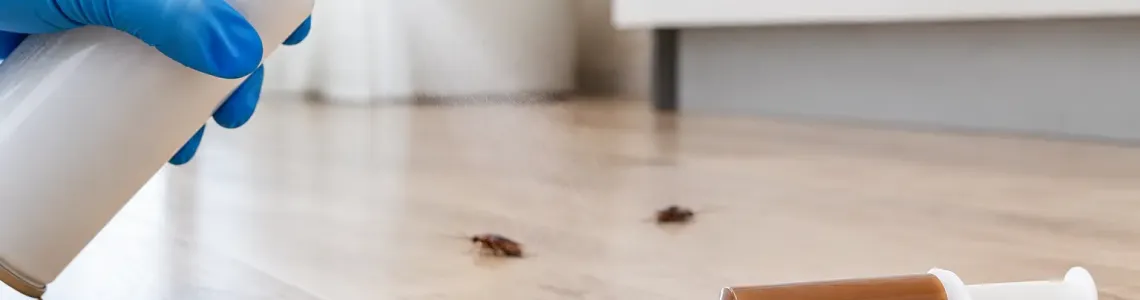
A cockroach running across the kitchen floor calls for a fast response. But the product that kills the roach you can see is not always the one that controls the colony you cannot. In the spray versus gel cockroach bait decision, the right answer depends on whether you need immediate knockdown, long-term nest control, or both.
Cockroach sprays are built for direct action. Gel baits are built to be carried back to hidden harborages where roaches feed, breed, and stay out of sight. Choosing one without understanding that difference can leave you repeatedly treating the same problem.
Spray Versus Gel Cockroach Bait: The Core Difference
A cockroach spray works on contact or after a roach crosses a treated surface, depending on the formula. It is the practical choice when a roach appears near the sink, inside a cabinet, behind the trash can, or in another spot where you need it gone now. Many sprays also give short-term residual control on treated cracks and crevices.
Gel bait works differently. Small dots of bait contain an attractant and an active ingredient. Roaches eat the bait, return to their hiding places, and may spread the active ingredient through the population. This slower approach is why gel is often the stronger option for an active infestation, especially when you are seeing small roaches, droppings, egg cases, or repeated activity at night.
Neither format is automatically better in every room. Spray delivers speed. Gel is designed for reach. A smart pest-control plan uses the product that matches the evidence in front of you.
When Cockroach Spray Makes Sense
Use spray when you spot individual roaches and want fast, visible results. It is useful around likely entry points, such as gaps around pipes, cracks near baseboards, utility areas, and the space behind appliances. A targeted application can quickly reduce activity in places where roaches travel.
Spray is also practical for occasional invaders. If you see one large cockroach after heavy rain, an open door, or a drain issue, you may be dealing with a single pest rather than a growing indoor colony. In that case, a fast-acting cockroach spray can be the direct answer.
The limitation is simple: sprays mostly affect roaches that are exposed. Cockroaches spend much of their time tucked behind refrigerators, inside wall voids, under cabinets, and near plumbing. Spraying the open floor may kill a few visible pests while leaving the main nesting area untouched.
Overusing spray can create another problem. Heavy or widespread applications may drive roaches deeper into cracks, making them harder to monitor and bait. Sprays can also contaminate nearby bait placements, reducing how willing roaches are to feed. Treat only the locations stated on the product label, and never spray directly onto food-preparation surfaces, dishes, pet bowls, or bait.
When Gel Bait Is the Better Choice
Gel bait earns its place when cockroach activity keeps returning. If you turn on the kitchen light at night and see several roaches scatter, or if you find pepper-like droppings inside drawers and cabinets, think beyond quick knockdown. You need a product that works where the colony is hiding.
Place tiny, fresh gel bait dots near activity, not in the middle of open floors. Good locations include cabinet hinges, under the sink, behind the refrigerator, near pipe openings, under the stove, and in cracks where you have seen droppings. Follow the label for placement guidance and keep bait out of reach of children and pets.
More gel is not always better. A few small placements near several harborages are usually more effective than one large blob. Large blobs can dry out, collect dust, or become less appealing before roaches finish feeding. Check bait regularly and replace it when it has been eaten, dried, or soiled.
Gel bait is especially helpful in apartment buildings, shared walls, and older properties where roaches may travel through plumbing lines or gaps between units. You cannot always see where they are coming from, but bait gives foraging roaches a reason to carry treatment back toward those hidden routes.
The Best Approach for Active Roach Problems
For a persistent infestation, use spray and gel with purpose rather than applying both everywhere. Start with gel bait close to hiding places and feeding routes. Then use spray for direct sightings and carefully selected entry points that are away from bait placements.
Do not apply repellent spray right next to gel bait. The roaches need to approach and eat the bait. If you have already sprayed an area heavily, choose another nearby crack or travel route for bait, or wait until the treated surface is no longer likely to interfere according to the product directions.
This combination gives you two valuable results: immediate control of the roaches you see and ongoing pressure on the ones you do not. It also makes monitoring easier. If fresh bait disappears quickly, activity is still present. If it remains untouched and you stop seeing signs, your control work may be paying off.
Make Your Home Less Attractive to Roaches
No bait or spray can fully compensate for an easy food and water supply. Roaches can survive on crumbs, grease, pet food, cardboard, moisture under a sink, and even residue left on unwashed recycling. A few small changes make every treatment work harder.
Keep food in sealed containers, wipe counters after cooking, and empty indoor trash regularly. Do not leave pet food out overnight if roaches are active. Repair leaking pipes, dry wet sponges and dishcloths, and clear clutter from under sinks and behind appliances. Cardboard boxes are especially worth removing because they provide shelter and can hold egg cases.
Seal obvious gaps around pipes, cabinet edges, baseboards, and door frames once activity has started to decline. Seal too early and you may simply force roaches to find a different indoor route. First bait and monitor the active areas, then close the access points you can identify.
Safety and Placement Matter
Every pest-control product should be used exactly as directed on its label. Keep sprays and gel bait away from children, pets, food, utensils, toys, and food-contact surfaces. Use gloves if the label recommends them, wash hands after application, and ventilate the room when required for a spray product.
If you have a crawling baby, curious pet, or limited access to behind-appliance areas, placement becomes even more important. Focus on inaccessible cracks, high cabinet hinges, protected bait stations where appropriate, and other label-approved locations. Do not assume that a product marketed for household use can be placed anywhere in the home.
For heavy infestations, repeated sightings during the day, or roaches coming from multiple neighboring units, treatment may need more than one product cycle. Reapply or refresh only according to directions, maintain sanitation, and consider professional pest control if activity does not improve.
Which One Should You Buy?
Choose cockroach spray if your main frustration is sudden sightings and you want rapid control on contact. Choose gel bait if roaches keep appearing, you are finding droppings or small nymphs, or you suspect a nest behind cabinets or appliances. For many homes, the most effective answer is not spray versus gel cockroach bait as an either-or choice. It is using gel to target the hidden population and spray as a controlled backup for the roaches that show themselves.
Start where the evidence is strongest: bait near the harborages, clean up food and moisture, and reserve spray for direct action. That simple plan gives you a better chance of stopping the next roach before it becomes another recurring kitchen problem.
Related Products