








-50x50.png "ClearWhite GlassRestore Pro | Polish Cermin Kereta | Car Glass Polish Watermark and Water Spot Remover | Polish Cermin Hadapan | Kesan Wiper")


-(1)-50x50.png "EziSac Lizard Repellent - Fast Acting Effective Natural Long-Lasting No Mess No Sticky Formula to Halau Cicak")

Stain Remover Performance Test: What Works?
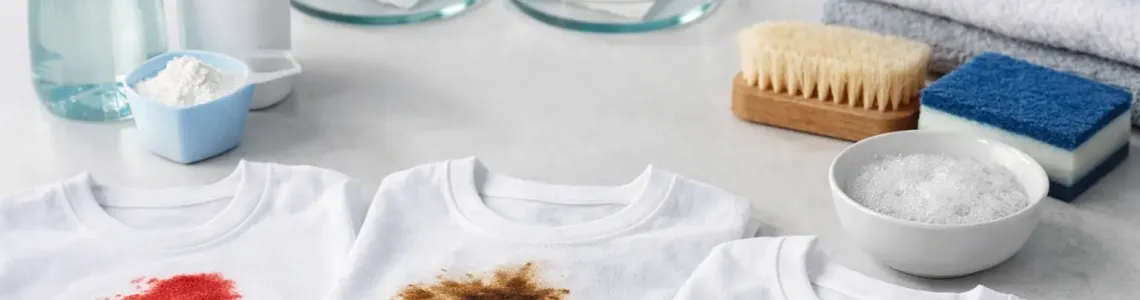
A coffee spill on a white shirt, curry on the sofa, greasy fingerprints on a cabinet, and pet accidents on the rug may all look like “stains,” but they do not respond to the same cleaner. A useful stain remover performance test shows whether a formula actually tackles the mess in front of you - without leaving faded fabric, sticky residue, harsh odor, or a new cleaning problem behind.
The best product is not always the strongest-smelling spray or the one that promises instant results. Performance depends on the stain type, the surface, how long the stain has been sitting, and whether you use the product correctly. Before buying another bottle that ends up under the sink, test smarter and compare the results that matter.
What a Stain Remover Performance Test Should Measure
A stain remover should do more than lighten a mark. It needs to lift the stain from the material, rinse or wipe away cleanly, and leave the surface looking and feeling right. That standard changes slightly between laundry, upholstery, carpets, hard floors, and kitchen surfaces, but the core checks stay the same.
Start by looking at visible stain removal. Is the mark fully gone after the recommended treatment time, or has it simply faded? Check the area once it is dry, too. Some stains look improved while wet, then reappear as the fibers dry.
Next, check for residue. A cleaner that leaves behind a stiff patch on clothing, a slippery floor, or a tacky tabletop can attract more dirt later. On upholstery and carpet, residue may create a dark “re-soil” spot within days. A good cleaner should leave no obvious film after proper blotting or rinsing.
Finally, inspect the surface itself. Look for color transfer, bleaching, dullness, water rings, rough texture, or a lingering perfume that makes a room uncomfortable. Fast stain removal is not a win if the fabric fades or the finish becomes damaged.
Match the Cleaner to the Stain First
The fastest way to get poor results is to use one all-purpose approach for every mess. Stains have different ingredients, and each ingredient needs a different cleaning action.
Protein stains include blood, milk, egg, sweat, vomit, and many pet messes. Heat can set these stains, so start with cool water where the care label allows. An enzyme-based stain remover can be particularly useful because it targets the organic material behind the mark and odor. Letting it sit for the label-recommended time often matters more than scrubbing harder.
Oil-based stains include cooking grease, butter, makeup, motor oil, and some sauces. Water alone usually spreads the problem. A degreasing formula is the better choice, especially on kitchen counters, cabinet doors, stovetops, car interiors, and washable garments. For fabric, blot excess oil first rather than rubbing it deeper into the fibers.
Tannin stains come from coffee, tea, wine, fruit juice, and many colored foods. They can leave yellow, brown, red, or purple shadows that become harder to remove once dry. Prompt treatment gives you the best chance of a clean finish. A fabric-safe oxygen cleaner or targeted stain treatment may outperform a basic soap solution, depending on the item.
Dye and ink stains are often the toughest test. Pen ink, hair dye, colored drinks, and craft paint can bond quickly with fibers and porous surfaces. These stains may need a specialty remover, and some materials will require repeat treatment. If a product claims it removes ink in seconds, test it on a hidden spot before trusting it on a visible area.
How to Run a Fair Test at Home
You do not need specialist equipment to compare cleaners. You need consistent samples, a timer, good lighting, and a simple method. Testing on scraps of similar fabric is ideal. For hard surfaces, use identical small areas on tile, laminate, sealed countertop material, or another safe test surface.
Create the same stain on each sample. Use a measured amount, such as a few drops of coffee or a small smear of cooking oil, and allow every sample to sit for the same amount of time. If you are testing on an existing stain, divide the stained area only if the material and stain are uniform enough to make the comparison fair.
Use each product exactly as directed. This is critical. One formula may need to be sprayed and blotted immediately, while another needs five to 10 minutes of contact time. Applying more product than recommended does not always improve results. It can create excess foam, leave residue, or oversaturate upholstery padding and carpet backing.
After treatment, assess each sample under bright natural light or a strong white light. Take before-and-after photos if you want an easy comparison. Score the result for stain lifting, odor removal, residue, color safety, and ease of use. The product that removes 90% of the stain with no side effects can be a better household choice than the product that removes 100% but leaves a faded patch.
Test fresh and set-in stains separately
Fresh stains and old stains should not be treated as the same challenge. A fresh coffee spill may come out with quick blotting and a suitable spray. A week-old coffee stain on a cushion may require repeated applications, gentle agitation, and full drying between treatments.
If you only test a cleaner on a fresh stain, you may overestimate its performance. Include at least one set-in sample when possible. This is especially useful for household decision-makers who want one product ready for everyday emergencies and another option for the tougher jobs that have been ignored too long.
Do a hidden-spot check every time
A patch test takes less than a minute and can prevent expensive damage. Apply a small amount of cleaner to a hidden seam, hem, underside, or corner. Let it dry fully, then check for fading, texture changes, or color transfer to a white cloth.
Do not assume “safe on fabric” means safe on every fabric. Silk, wool, suede, leather, velvet, unfinished wood, natural stone, and specialty coatings need extra care. For these materials, use a cleaner specifically labeled for that surface or seek professional advice for a valuable item.
Common Mistakes That Ruin Test Results
The first mistake is rubbing aggressively. Rubbing can fray fibers, spread oily stains, and push colored liquid farther into carpet or upholstery. Blot from the outside edge toward the center using a clean white cloth. White cloths make it easier to see when the stain is transferring out.
The second mistake is mixing cleaners. Combining products can weaken their performance, produce fumes, or create a residue that is difficult to remove. Never mix bleach with ammonia, acids, or unknown cleaning products. Use one product, remove it according to its directions, and let the area dry before trying another method.
The third mistake is judging too early. A carpet may look clean while damp but develop a ring as it dries. A shirt may appear stain-free until it goes through the wash and the remaining stain becomes visible. For washable textiles, assess the result after laundering and air-drying whenever possible.
When Stronger Is Not Better
A heavy-duty formula can be the right answer for greasy kitchen buildup, old food stains, or hard-working laundry. But it may be excessive for a quick spill on a delicate baby garment, a pet bed, or a lightly marked upholstered chair. In homes with children and pets, choose products that clearly state their intended surface, usage instructions, and safety precautions.
Fragrance is another trade-off. A scented cleaner can make a space smell freshly cleaned, but strong fragrance may be unwanted in bedrooms, pet areas, or small rooms. If odor is the real problem, such as urine or spoiled food, look for a formula designed to neutralize the source instead of one that only covers it with perfume.
For repeat household messes, keep your cleaning setup practical: a general stain remover for everyday washable surfaces, an upholstery or carpet-safe option for soft furnishings, and a grease-focused cleaner for kitchens and garages. This approach prevents using the wrong chemistry on the wrong job and helps avoid buying duplicate products that do the same thing.
Choose Results You Can See and Feel
The most useful cleaner earns its place because it solves a specific problem with minimal fuss. It should be easy to apply, clear about where it can be used, effective within a realistic time frame, and safe for the material when used as directed. That is the kind of performance worth looking for when comparing home-cleaning solutions.
Keep a small note of what worked on your most common messes - coffee on fabric, sauce on plastic, muddy pet prints, grease near the stove, or stains in the car. The next spill will still be annoying, but it will not be a guessing game. A quick, confident response is often what keeps a small mark from becoming a permanent one.
Related Products