








-50x50.png "ClearWhite GlassRestore Pro | Polish Cermin Kereta | Car Glass Polish Watermark and Water Spot Remover | Polish Cermin Hadapan | Kesan Wiper")


Tineco Compatible Cleaning Solution That Works
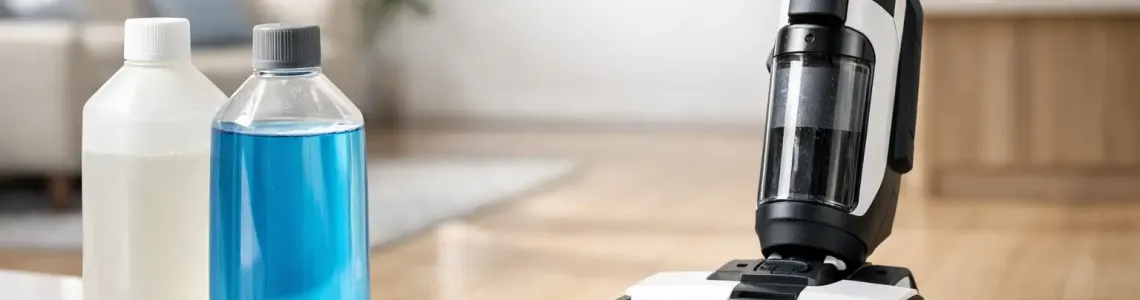
A wet-dry floor cleaner can leave floors looking better in minutes, but the wrong liquid can create a bigger cleanup job inside the machine. A tineco compatible cleaning solution should lift everyday dirt without producing heavy foam, leaving sticky residue, or putting unnecessary strain on the water system. That means choosing by formula performance, not simply grabbing the strongest cleaner under the sink.
For busy homes with footprints, pet messes, kitchen splashes, and daily dust, the right compatible solution helps your machine clean efficiently and keeps hard floors looking fresh. Here is what to look for before filling the clean-water tank.
What Makes a Tineco Compatible Cleaning Solution Suitable?
Compatibility is about more than whether a liquid can be poured into the tank. Wet-dry floor cleaners are designed to pick up liquid and debris at the same time, then move dirty water through narrow internal channels. A formula that is too foamy, oily, thick, or harsh can interfere with that process.
The safest choice is always the cleaning solution recommended for your exact machine model. If you are choosing an alternative, check your product manual first. Some manufacturers specify approved liquids, and using an unapproved formula may affect performance, maintenance requirements, or warranty coverage.
A compatible formula should be made for sealed hard floors and low-foam machine cleaning. It should rinse cleanly, have a light consistency, and be used at the correct dilution. More concentrate does not mean cleaner floors. It often means more residue, more streaking, and more work when it is time to rinse the machine.
Low foam matters more than extra bubbles
High foam may look like cleaning power in a bucket, but it is a problem inside a floor-cleaning machine. Excess suds can reduce water pickup, overflow into areas where they do not belong, and leave a film that attracts fresh dirt after the floor dries.
Choose a low-foaming formula specifically intended for machine use. If a label describes a product as a mop cleaner, floor wash, or hard-floor cleaning concentrate, read the directions carefully. A traditional mop product may still create too much foam for a wet-dry cleaner.
Clean-rinsing ingredients protect the finish
A good hard-floor cleaner removes grime and dries without leaving the surface tacky. This is particularly useful on tile, vinyl, laminate, sealed wood, and other smooth surfaces that show footprints quickly.
Avoid formulas that contain heavy waxes, thick oils, or shine-enhancing coatings unless the product clearly says it is suitable for your floor type and cleaning device. These ingredients can leave buildup on both the floor and the machine. A clean floor should feel smooth under bare feet, not slick, sticky, or greasy.
Tineco Compatible Cleaning Solution Checklist
Before buying a cleaning liquid, look for the practical details that prevent expensive mistakes. The label should state that it is suitable for hard floors, machine use, or low-foam cleaning. It should also explain how much to dilute in water.
Check that the formula suits your actual flooring. Sealed tile and vinyl are usually more forgiving than natural stone or unsealed wood. For laminate and sealed wood, use minimal moisture, follow the flooring manufacturer’s guidance, and do not let water sit on the surface. A wet-dry cleaner can be convenient, but no cleaning solution can make water-sensitive flooring waterproof.
Fragrance is another personal decision. A light, clean scent can make a room feel freshly washed, while strong perfume may be a poor fit for homes with scent-sensitive family members or pets. If your household prefers a simple finish, choose a mild or low-fragrance formula rather than relying on a powerful scent to signal cleanliness.
At Starmeg, practical cleaning starts with matching the formula to the job: low foam for machine performance, hard-floor suitability for surface care, and clear dilution directions for reliable everyday results.
How to Use Compatible Floor Cleaner Correctly
Even a suitable formula can cause trouble when it is mixed incorrectly. Start with a clean water tank and use room-temperature water unless your machine manual says otherwise. Do not use hot water, which can affect plastic components or make certain ingredients foam more than expected.
Add only the amount of solution stated on the product label. If the cleaner calls for a capful per tank, measure it rather than pouring freely. Overdosing is one of the most common reasons floors dry streaky or feel slightly sticky after washing.
Fill the tank to its marked maximum line, fit it securely, and clean at a steady pace. On dried food spots, muddy paw prints, or kitchen grease, make an extra pass instead of adding extra detergent. Let the machine’s brush action and suction do their job.
After cleaning, empty the dirty-water tank promptly. Rinse the tank, filter area, brush roller, and any removable parts according to the machine instructions. Leaving dirty liquid inside encourages odors and allows residue to harden where you do not want it. A quick rinse after every use keeps the next cleaning session faster and more hygienic.
Cleaners to Keep Out of the Tank
The shortcut products people use on countertops, dishes, or bathrooms are not automatically safe for a wet-dry floor cleaner. Keep these out of the clean-water tank unless your machine manufacturer specifically permits them:
- Dish soap, hand soap, and laundry detergent, because they create excessive suds.
- Bleach, ammonia, and strong disinfectants, because they may damage components, create irritating fumes, or react with other residues.
- Vinegar, which may be too acidic for certain flooring finishes and machine parts.
- Essential oils, furniture polish, waxes, and oily cleaners that can leave slippery buildup.
- Powder cleaners or thick concentrates that may not dissolve fully and can clog internal pathways.
If your goal is sanitizing after a spill, pet accident, or illness, treat the floor according to the disinfectant label and your flooring manufacturer’s guidance. Allow the required contact time, then make sure the surface is safe for your machine and fully compatible with its cleaning method. Do not assume a powerful disinfectant belongs in every appliance tank.
Match the Formula to Your Floor and Household
For routine dust, light footprints, and daily kitchen messes, a mild low-foam hard-floor cleaner is usually all you need. This is the best value approach because it keeps floors presentable without leaving behind layers of product.
Homes with pets may need extra odor control, but fragrance alone does not remove the source of odor. Pick up solid debris first, use a machine-safe floor cleaner for the wash, and clean the dirty-water tank immediately afterward. This matters especially after wet pet food, muddy paws, or minor accidents.
For greasy cooking areas, choose a formula with effective but floor-safe degreasing power. Use it at the listed dilution and make two light passes if needed. Heavy grease may require a targeted pre-treatment on a cloth before machine cleaning, particularly around stovetops and cabinet edges. Keep any pre-treatment product away from the machine tank unless it is explicitly compatible.
If you have babies, pets, or family members who crawl or sit on the floor, focus on clear label directions and proper rinsing. A cleaner that is appropriate for hard floors and used correctly is more useful than an overly aggressive formula that leaves residue behind.
Fix Streaks, Foam, and Sticky Floors Fast
When a freshly cleaned floor looks worse after drying, the issue is often too much cleaning solution. Empty and rinse the clean-water tank, then run a pass with plain water if your machine manual permits it. This can help remove leftover detergent film from the floor.
If foam appears in the dirty-water tank, stop cleaning and rinse the tanks and brush roller. Do not keep running the machine in the hope that the foam will disappear. Switch to a lower-foam formula and measure the dose carefully next time.
Persistent streaks can also come from a dirty brush roller, clogged filter, or residue already sitting on the floor from previous cleaners. Clean the machine thoroughly, then test your chosen solution in a small area using the correct dilution. This simple reset often brings back the clear, even finish you expected.
The best cleaning routine is the one your household will actually keep up with. Choose a low-foam, hard-floor-safe formula, follow the machine’s directions, and use enough product to clean the mess - not so much that you create a new one. That is how a compatible solution delivers the visible, fresh-floor result your wet-dry cleaner was bought to provide.
Related Products
