









-50x50.png "ClearWhite GlassRestore Pro | Polish Cermin Kereta | Car Glass Polish Watermark and Water Spot Remover | Polish Cermin Hadapan | Kesan Wiper")


-(1)-50x50.png "EziSac Lizard Repellent - Fast Acting Effective Natural Long-Lasting No Mess No Sticky Formula to Halau Cicak")

Toilet Bowl Cleaning Guide for Stains and Odors
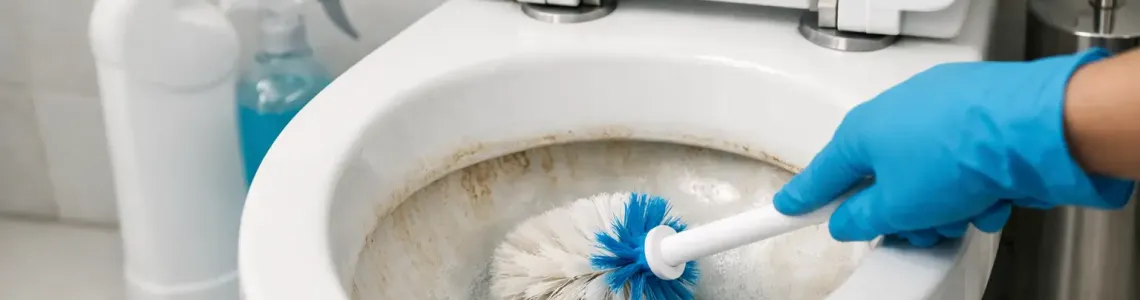
A brown ring at the waterline, a stubborn streak below it, and a smell that returns after every flush are not the same problem. Treating them with the same quick scrub is why many toilets look clean for a day, then look dull again. This toilet bowl cleaning guide helps you match the cleaning method to the mess, get visible results without unnecessary scrubbing, and avoid the product combinations that can create dangerous fumes.
Start by identifying what is in the bowl
Most toilet bowl buildup falls into three categories: mineral scale, organic staining, and surface grime. Hard-water minerals usually leave a chalky white, yellow, or brown crust around the waterline and under the rim. Rust-related stains often look orange or reddish brown. Dark streaks may be mold, mildew, or accumulated soil, especially in bathrooms with poor airflow.
The fix depends on the cause. A mild toilet cleaner may freshen a bowl with everyday grime, but it will not quickly dissolve thick limescale. Bleach can disinfect, but it is not the best answer for mineral deposits. Using the right formula first saves time, product, and elbow grease.
Before you start, open a window or run the bathroom exhaust fan. Put on gloves and keep children and pets out of the area until the toilet has been rinsed and the bathroom is dry. Never mix cleaning products. In particular, do not combine bleach with acidic toilet cleaner, vinegar, ammonia, or any unknown product. Flush fully between products if you need to change methods.
What you need for a proper clean
For regular cleaning, use a toilet bowl cleaner, a dedicated toilet brush, gloves, and a disinfecting cleaner for exterior surfaces. For a heavy ring or scale, choose a cleaner specifically labeled for mineral deposits, limescale, or rust. A pumice stone made for toilet bowls can help with stubborn mineral buildup, but only use it wet and only on porcelain bowls without a delicate specialty finish.
Avoid reaching for abrasive scouring powder as your first move. It can scratch some surfaces, and scratches give future grime more places to cling. Also skip metal scrubbers. A clean bowl should not come at the cost of a permanently rough, stained-looking surface.
Toilet bowl cleaning guide: the weekly method
A weekly clean prevents most rings from becoming a deep-cleaning job. Start by flushing once so the bowl is wet. Apply toilet bowl cleaner under the rim, moving slowly around the full inner edge. This matters because the rim jets are where hidden buildup and odor-causing residue often collect.
Let the cleaner sit according to its label directions. Contact time does the work. Scrubbing immediately can dilute the product before it has loosened grime. After the wait, scrub under the rim first, then work down the sides, around the waterline, and into the bottom outlet. Use firm pressure, but do not splash.
Flush to rinse. If a faint line remains at the water level, apply a small second dose directly on that area, allow it to sit, and scrub again. Finish by disinfecting the flush handle, seat hinges, lid, tank top, and outside of the bowl with a separate surface-safe disinfecting product. The brush cleans the inside. The parts hands touch need attention too.
How to remove a stubborn toilet ring
A toilet ring is often mineral scale mixed with soap residue, bacteria, and soil. That combination is why it can feel hard even when the bowl is wet. For a light ring, a quality toilet cleaner and brush may be enough. For a hard white, tan, or brown ring, use a limescale or rust-removing toilet cleaner as directed on the label.
For the strongest result, lower the water level first so the product can stay in direct contact with the ring. Shut off the toilet's water supply valve, flush, and hold the handle down briefly to remove more water from the bowl. Apply the chosen cleaner directly to the stain and let it work for the recommended time. Scrub with a brush, then restore the water supply and flush.
If scale remains after a proper treatment, gently use a wet toilet-safe pumice stone. Keep both the stone and porcelain wet at all times. Work in small circles with light pressure, checking your progress often. This is a last-step tool for mineral crust, not a routine weekly habit.
Deal with black marks and odor at the source
Black marks can come from several places. A slimy line near the waterline may point to biofilm or mold. Small dark specks under the rim often signal buildup around the flush jets. A single dark streak that returns in the same place may be caused by water flow, tank components, or mineral content rather than poor cleaning.
Use a toilet cleaner that addresses the type of staining present, then scrub under the rim carefully. If odor returns soon after cleaning, clean the brush holder too. A dirty, wet holder can hold odor even when the bowl is spotless. Rinse the brush after use, allow it to drip dry under the closed seat for a few minutes, then store it in a clean holder.
Persistent sewer-like odor is different from normal bathroom odor. Check whether the toilet rocks at the base, whether water remains in the bowl, and whether the smell becomes stronger after flushing. Those signs can indicate a plumbing issue that cleaning products will not solve. Call a qualified plumber rather than masking the problem with fragrance.
Choose products by the job, not the strongest claim
A heavy-duty cleaner has a place, but stronger is not always better. Acid-based formulas can break down hard-water deposits efficiently, yet they need careful handling and should never be paired with bleach. Bleach-based products are useful for disinfection and certain organic stains, but they are less effective on hard mineral scale. For everyday maintenance, a standard toilet bowl cleaner is usually the easiest and most economical choice.
If your household uses a septic system, has young children, or includes pets that may enter the bathroom, read the full label before buying. Look for clear usage instructions, surface compatibility, ventilation guidance, and storage requirements. Keep cleaners in their original containers, store them upright, and never leave an open bottle within reach of children.
Fragrance can make the bathroom smell fresh, but it should not be the only sign that a product is working. Visible scale removal, a clean waterline, and reduced recurring odor are better measures of results.
Prevent buildup between deep cleans
The simplest prevention step is to clean before the ring feels rough. In hard-water areas, a quick brush around the bowl two or three times a week can stop minerals from setting. Flush fully after use, fix a constantly running toilet promptly, and keep the lid closed when flushing to reduce spray onto nearby surfaces.
Bathroom ventilation matters as well. Run the fan during showers and for a short time afterward to reduce moisture that encourages mildew. If your water leaves mineral spots on faucets, shower glass, and the toilet, plan for more frequent scale treatment rather than blaming your cleaning routine.
A toilet bowl tablet may offer convenience, but it depends on the product and your toilet components. Some formulations can be harsh on internal rubber or plastic parts when used continuously. If you choose one, follow the manufacturer directions and inspect your toilet for leaks or running water. A brush-and-cleaner routine remains the most reliable way to remove the buildup you can actually see.
When cleaning is not enough
Call for plumbing help when stains return rapidly with rusty water, the bowl has cracks, the toilet leaks at the base, or flushing is weak despite a clean bowl. Mineral deposits can also clog rim jets or affect water flow inside the tank. No cleaner can repair worn parts, a failed wax ring, or a water-quality issue.
For everything else, make toilet care a short, repeatable routine instead of an unpleasant monthly battle. Keep the right cleaner, a reliable brush, and gloves within reach, then act when the first ring appears. Starmeg makes it easier to stock practical cleaning solutions for the small jobs that keep a home feeling genuinely fresh.
Related Products