








-50x50.png "ClearWhite GlassRestore Pro | Polish Cermin Kereta | Car Glass Polish Watermark and Water Spot Remover | Polish Cermin Hadapan | Kesan Wiper")


Wet Vacuum Detergent Comparison That Cleans Better
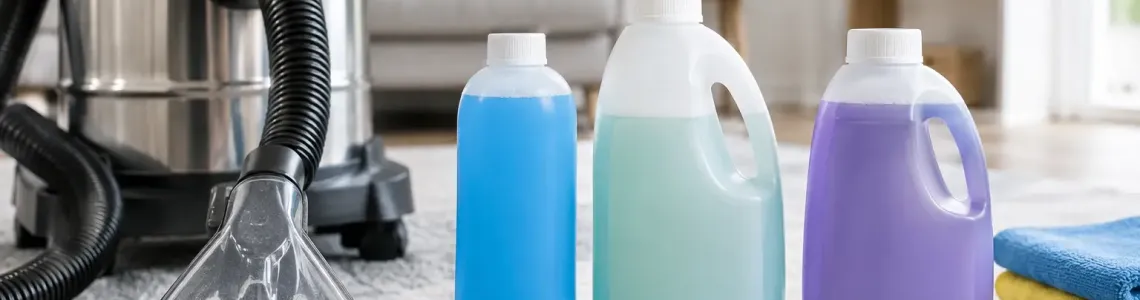
A wet vacuum can pull up muddy paw prints, spilled coffee, and everyday floor grime in one pass - but the wrong cleaning liquid can leave residue, create foam problems, or even affect machine performance. This wet vacuum detergent comparison focuses on what household buyers actually need: cleaner floors, a fresh finish, and a formula that works safely with the machine they own.
Start With Your Wet Vacuum Manual
Before comparing scent, stain power, or price, check what your wet vacuum manufacturer permits. Many machines are designed for a specific detergent type, while others allow compatible low-foam hard-floor cleaners. Using a heavily foaming dish liquid, laundry detergent, or all-purpose cleaner is a common mistake. These products can produce excess suds, interfere with suction, and leave behind a film that attracts new dirt.
Look for words such as "low foam," "wet vacuum compatible," "floor machine safe," or "suitable for hard-floor cleaners." If your machine requires a branded formula, follow that instruction first. A less expensive alternative is only a good deal when it will not void a warranty or cause clogs, leaks, or sensor issues.
Wet Vacuum Detergent Comparison: The Formulas That Matter
The best detergent category depends on the mess, the floor material, and how often you clean. Do not buy based on a strong fragrance alone. A floor can smell clean while still feeling sticky under bare feet.
Everyday low-foam floor detergent
For routine cleaning of sealed tile, vinyl, laminate, and sealed hardwood, a concentrated low-foam detergent is usually the practical choice. It is made to mix with water, travel through the machine cleanly, and rinse away without leaving excessive suds in the recovery tank.
This is the formula to choose when your main problem is tracked-in dust, kitchen splashes, light footprints, and dull-looking floors. Concentrates often deliver the best value per cleaning session, but measure carefully. Adding extra detergent does not create a deeper clean. It can create residue that makes the next cleaning harder.
Stain-focused detergent
Stain-focused formulas use stronger surfactants or targeted cleaning agents to break down greasy marks, food spills, drink stains, and pet messes. They are useful for high-traffic homes, busy kitchens, entryways, and homes with children or pets.
The trade-off is that stronger is not always better for every surface. Check whether the formula is approved for your floor type, especially laminate and sealed wood. For an old or dried-on stain, pretreating the area and allowing the product to work briefly can be more effective than repeatedly running a wet vacuum over the same spot.
Pet-odor and enzyme detergent
If accidents are the issue, standard floor detergent may remove the visible mark but leave odor behind. Pet-focused enzyme formulas are designed to break down organic residues that can cause lingering smells. They are most useful for urine, vomit, and food-related pet messes.
Choose a machine-safe pet formula rather than pouring any enzyme cleaner into the tank. Some treatments are intended only for spot use and may foam too much in a wet vacuum. For fresh accidents, remove solids first, treat according to the label, then use the wet vacuum to lift moisture and loosened soil.
Disinfecting or antibacterial floor cleaner
A disinfecting formula sounds like the obvious choice for bathrooms, kitchens, and homes with young children. The catch is contact time. Many disinfectants need to remain wet on a surface for a stated period to work as claimed. A wet vacuum passes over the floor quickly, so it may not provide the dwell time required for disinfection.
Use a disinfectant separately when you need true sanitizing or disinfecting action, then follow with the wet vacuum if the product instructions allow it. For daily machine cleaning, a low-foam detergent is generally the more suitable choice.
Match the Detergent to the Floor, Not Just the Dirt
Sealed tile and vinyl are usually the most forgiving surfaces. A quality low-foam detergent can handle regular cleaning well, including kitchen grease and bathroom splashes. Still, rinse or recover the dirty water thoroughly so grime is not redistributed across grout lines.
Laminate needs more caution. Too much water can seep into edges and joints, causing swelling or lifting. Use the minimum recommended solution, select a low-moisture setting if your machine has one, and avoid leaving standing water. A residue-free detergent matters here because repeated mopping to remove stickiness adds unnecessary moisture.
Sealed hardwood can be cleaned with a formula specifically labeled safe for sealed wood. Avoid acidic, alkaline, oily, or waxy products unless the floor manufacturer approves them. If the finish is worn, a wet vacuum may push moisture into vulnerable areas. Spot clean carefully and address damaged sealing before making full-room wet cleaning a routine.
Natural stone requires the most label reading. Marble, travertine, limestone, and some polished stone surfaces can react badly to acidic cleaners. Choose a pH-neutral, stone-safe formula. Vinegar may be a popular household shortcut, but it is not a universal floor cleaner and can dull or etch sensitive stone.
Concentrated vs. Ready-to-Use: Which Gives Better Value?
Concentrated wet vacuum detergent is usually the better buy for frequent cleaning. A small bottle can produce many tank fills, takes up less storage space, and lets you mix only what you need. It also reduces the chance of running out after one large cleaning day.
Ready-to-use formulas are convenient for spot treatments and small messes, but they are not always designed for machine tanks. Read the instructions instead of assuming that a floor spray can be poured into a wet vacuum. Convenience loses its value if it creates foam, leaves streaks, or requires an extra rinse cycle.
For value-conscious households, compare cost per diluted tank, not only the bottle price. Also consider how much product is required for one cleaning session. A slightly higher-priced concentrate can be the smarter option when it lasts several times longer and prevents waste.
Signs Your Detergent Is Not Working
A detergent does not have to damage a machine to be the wrong choice. Sometimes the warning signs show up on the floor first. If the surface feels tacky, looks cloudy in sunlight, or gets dirty again quickly, you may be overdosing the detergent or using a formula that does not rinse cleanly.
Too much foam in the dirty-water tank is another clear signal. Stop the machine, empty the tank, and rinse it thoroughly. Then clean the floor again with plain water or the correct diluted solution if the manufacturer permits. Never keep running a machine that is struggling with foam just to finish the room.
A sour smell after cleaning often points to dirty tanks, filters, rollers, or hoses rather than weak detergent. Empty recovery water after every use, rinse removable parts, and let them dry fully. Clean equipment protects the results of a good formula.
A Simple Buying Checklist
When comparing wet vacuum detergents, look beyond bold stain-removal claims. Choose a formula that is compatible with your machine, low-foaming, appropriate for your floor, and clear about dilution. If pets or children use the space, follow label directions closely and keep concentrated liquids stored securely.
Scent is personal, but residue-free performance should come first. A light fresh fragrance is a bonus. A floor that dries clean, feels smooth, and stays cleaner longer is the result worth paying for.
The most effective setup is not the strongest bottle on the shelf. It is the right low-foam formula, mixed correctly, used on the right surface, and followed by a quick machine rinse. Make that routine part of your cleaning day, and every pass of the wet vacuum will work harder for your home.
Related Products
