






-50x50.png "ClearWhite GlassRestore Pro | Polish Cermin Kereta | Car Glass Polish Watermark and Water Spot Remover | Polish Cermin Hadapan | Kesan Wiper")


What Removes Urine Odor? Clean It at the Source
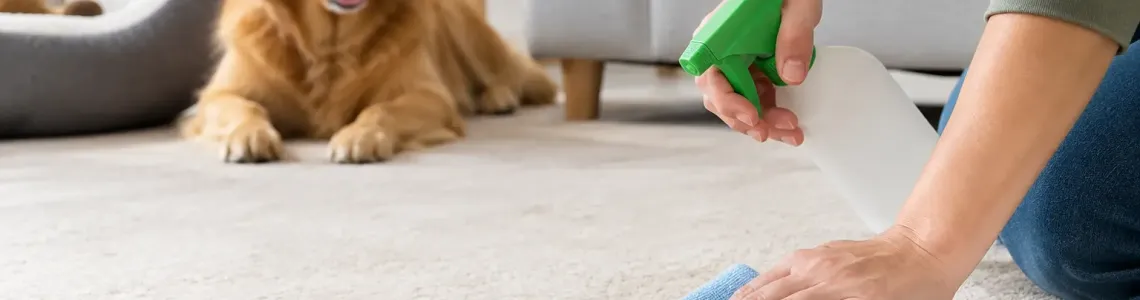
A room can look perfectly clean and still smell like urine the moment humidity rises or the air conditioner switches on. So, what removes urine odor instead of covering it with fragrance? The short answer is a cleaner that breaks down the odor-causing residue, followed by enough contact time and complete drying. The right method depends on where the urine landed, how old it is, and whether it came from a pet, child, or adult.
Urine odor is not simply a surface problem. As it dries, urine leaves behind salts, uric acid compounds, and bacteria-feeding residue. Water vapor can reactivate that residue later, which is why an odor can seem gone one day and return the next. Air fresheners, perfume sprays, and a quick wipe may improve the room briefly, but they do not remove what is trapped in carpet fibers, mattress padding, grout lines, or wood seams.
What Removes Urine Odor Most Effectively?
For most washable and porous surfaces, an enzymatic urine cleaner is the most direct answer. Enzymes are designed to digest organic residue that regular all-purpose cleaners often leave behind. This makes them especially useful for pet accidents on rugs, fabric sofas, mattresses, and carpets.
The cleaner must reach as deeply as the urine did. If a pet soaked through a carpet into the underlay, spraying only the top fibers will not solve the odor. Apply enough product to dampen the affected area, let it sit according to the label, then blot or extract it. Do not rush this step. Enzyme cleaners need time to work.
Oxygen-based cleaners can also help, particularly when urine has left a yellow stain on washable fabric, tile, sealed floors, or certain carpets. They lift discoloration and freshen the area, but they are not always a substitute for enzymes on an old or deeply soaked urine spot. Check the care label and test a hidden area first, especially on dyed fabrics and delicate upholstery.
For hard, nonporous surfaces such as sealed tile, vinyl, laminate, toilet surrounds, and plastic, a disinfecting cleaner may be appropriate after removing the residue. First clean the visible mess, then use the product exactly as directed for its required wet contact time. Disinfection is useful for hygiene, but it does not automatically remove deep odor from porous materials nearby.
Start by Finding the Full Area
The most common reason urine smell comes back is that only part of the accident was cleaned. A small visible spot can spread wider underneath, particularly on carpet and mattresses. Follow your nose close to the surface, inspect around baseboards and furniture legs, and look for staining. A UV flashlight can help reveal dried pet urine in a darkened room, although not every glow is urine and not every urine spot will show clearly.
Mark the area before cleaning so you do not lose it once the surface is wet. If the odor is in a room with multiple accidents, work zone by zone rather than soaking the entire floor. This saves product and helps you identify whether one hidden spot is still causing the problem.
Fresh urine: absorb before you treat
For a fresh accident, speed matters. Press paper towels or a clean absorbent cloth firmly onto the area to pull up as much liquid as possible. On carpet, stand on the towel briefly to apply even pressure. Replace it and repeat until it comes away only slightly damp.
Avoid rubbing. Rubbing pushes urine outward and deeper into fibers. Once you have absorbed the excess, apply your enzyme cleaner or suitable surface cleaner generously enough to reach the affected layer.
Old urine: rehydrate the residue
Old spots are often harder because the residue has dried and bonded to fibers. An enzyme cleaner works better when it can rehydrate the area. Saturate the original spot and a small margin around it, then let the product dwell as directed. For thick carpet or cushions, covering the damp area loosely with plastic can slow evaporation during the recommended treatment time. Remove the cover afterward and allow the area to dry completely.
Do not judge the result while the cleaner is still wet. Some products have their own scent, and damp fabric can smell different than dry fabric. Check again after full drying, then repeat the treatment if needed.
Match the Method to the Surface
Carpet and rugs
Use an enzyme cleaner made for pet or urine odors. Blot fresh urine, apply enough cleaner to reach below the fibers, wait, then blot again. A carpet extractor can help remove loosened residue from synthetic carpet, but avoid overwetting. Too much moisture can lead to mildew smells or damage the backing.
For a valuable wool, silk, antique, or heavily dyed rug, use a cleaner specifically approved for that fiber or contact a professional. Strong oxygen cleaners, hot water, and aggressive scrubbing can fade or distort natural fibers.
Mattresses, bedding, and upholstered furniture
Mattresses and cushions need a controlled approach. You want the treatment to reach the urine, but you do not want to leave the foam soaked for days. Blot thoroughly, mist or apply enzyme cleaner to the affected section, allow the recommended dwell time, then press with dry towels. Improve airflow with a fan and keep the item uncovered until fully dry.
Wash removable bedding, mattress protectors, and cushion covers according to their care labels. An oxygen-based laundry booster may help with stains. Avoid using high heat until the stain and odor are gone, because heat can set discoloration and make cleanup harder.
Tile, grout, vinyl, and sealed floors
Start with a urine-safe cleaner or enzyme cleaner, paying attention to grout, corners, and the joint where flooring meets the wall. Wipe away residue, then disinfect if the product and surface allow it. Dry the floor afterward so leftover moisture does not collect dirt.
If urine repeatedly reaches the same grout line or floor edge, odor may be entering unsealed grout or gaps under trim. Cleaning can reduce the smell, but resealing grout or repairing gaps may be the lasting fix.
Hardwood and laminate
Use minimal liquid. Wipe up urine immediately, then clean with a product approved for your floor finish. Do not flood wood with enzyme cleaner or water, since moisture can seep into seams and cause swelling, dark marks, or warping. For old odor beneath damaged boards, surface cleaning may not be enough. A flooring professional may need to assess whether the affected boards, underlayment, or finish require repair.
Products and Shortcuts That Usually Disappoint
Vinegar can reduce some surface odors, and baking soda can absorb lingering smells after an area is dry. Neither is a dependable stand-alone solution for urine that has soaked into padding, foam, or cracks. Baking soda is best used as a finishing deodorizer, not as the main treatment. Vacuum it fully once it has sat on a dry carpet or fabric.
Scented sprays only mask the problem. Steam can also be a poor first move on urine-stained fabrics because high heat may set stains and can make odors harder to remove. Save deep extraction or steam cleaning for after the urine residue has been treated, and follow the equipment guidance for your carpet or upholstery.
Never mix cleaners. In particular, do not combine bleach with ammonia-containing urine, vinegar, or other products. Dangerous fumes can result. Ventilate the space, wear gloves when handling heavy contamination, and keep children and pets away until the area is dry.
Stop the Odor From Returning
A good cleanup is easier when the source is addressed. For pets, clean accidents with an enzyme product so the same location does not retain a scent cue. Wash bedding promptly, use a waterproof mattress protector for children or older adults, and check litter boxes, pee pads, and pet bedding often. If a pet suddenly urinates indoors or more frequently than usual, speak with a veterinarian rather than treating it only as a training issue.
For recurring bathroom odor, inspect around the toilet base, behind the bowl, under removable seat hinges, and on the floor-wall edge. A loose wax ring, leaking seal, or missed splash zone can create a problem that no amount of room spray will fix.
Keep an enzyme-based odor remover in your regular cleaning supplies, alongside absorbent cloths and a suitable floor cleaner. Starmeg shoppers who tackle pet care, baby messes, and everyday home cleaning can save time by treating the spot immediately rather than waiting for the smell to settle in.
The best result is not a stronger perfume. It is a dry, fully treated surface with nothing left behind for humidity to wake up again.
Related Products

