








-50x50.png "ClearWhite GlassRestore Pro | Polish Cermin Kereta | Car Glass Polish Watermark and Water Spot Remover | Polish Cermin Hadapan | Kesan Wiper")


Why Do Floors Feel Sticky After Mopping?
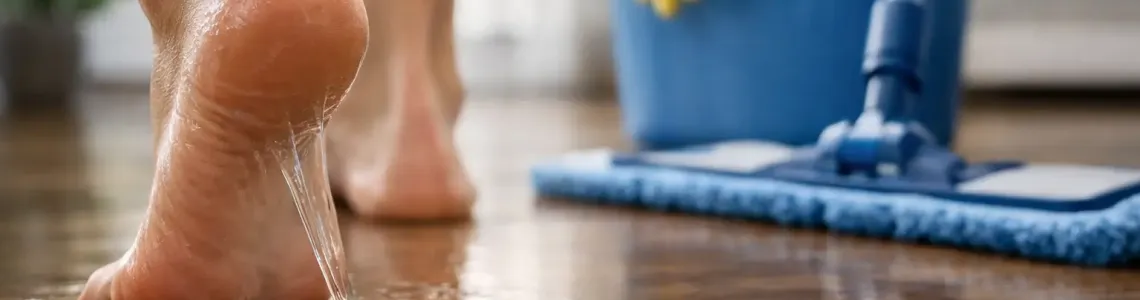
A floor can look clean, smell fresh, and still grab at your bare feet. If you are asking, why do floors feel sticky right after mopping, the problem is usually not the floor itself. It is what was left behind on it: cleaner residue, loosened grease, dirty mop water, or moisture that has not dried properly.
That tacky feeling is frustrating because it makes a freshly cleaned room feel unfinished. The good news is that most sticky-floor problems can be fixed without special equipment. The right method depends on your floor type and the source of the residue.
Why Do Floors Feel Sticky After Mopping?
The most common cause is using too much cleaning product. Concentrated floor cleaners, dish soap, multi-purpose sprays, and even some disinfectants are designed to lift dirt and leave a pleasant scent. When they are overmixed or not rinsed away, they can leave a thin film behind. Your shoes may squeak, socks may cling, and pet paws may leave visible prints.
More cleaner does not mean more clean. In fact, excess product often attracts dust and soil faster, so the floor starts looking dull again within a day or two. This is especially common on glossy tile, vinyl, laminate, and sealed wood, where residue sits on the surface instead of soaking in.
A sticky floor can also happen when a cleaner is used on the wrong material. A strong degreaser may be useful on greasy kitchen tile, but it is not always suitable for laminate or wood. Likewise, a product that promises shine may leave a coating that feels tacky if the surface was already treated with polish, wax, or another floor finish.
The Usual Culprits Behind a Tacky Floor
Dirty mop water spreads grime back around
A mop does not remove dirt if the water is already gray, greasy, or full of cleaning solution. It simply redistributes that grime across the room. Kitchen floors are particularly prone to this because cooking oil can settle beyond the stove area, including around cabinets, under the dining table, and near trash bins.
If the floor feels sticky only in certain spots, check for food splashes, grease, spilled drinks, pet accidents, or residue from a previous spot treatment. A general mop may not be enough to break down a concentrated mess. Treat the area first, then clean the entire floor so it dries evenly.
Hard water can leave a film
Water with a high mineral content can leave deposits behind as it dries. This may feel slightly rough or tacky rather than obviously sticky. If you have reduced the amount of cleaner but the problem keeps returning, try mopping with filtered or distilled water for the final rinse. It can make a noticeable difference on dark tile and glossy flooring, where streaks and haze show easily.
A mop or cleaning pad may be the problem
Mops hold onto detergent, grease, hair, and fine dirt. If a mop head is not washed thoroughly after use, the next cleaning session begins with built-up residue. Microfiber pads can also become less absorbent when fabric softener or too much laundry detergent is used during washing.
Wash reusable mop heads separately, use a small amount of detergent, and skip fabric softener. Let them dry fully before storing them. A clean tool is just as important as the cleaner you choose.
Your Floor Material Changes the Fix
Not every sticky floor should be cleaned the same way. Using too much water or the wrong formula can create bigger problems, especially on floors with seams, coatings, or natural wood.
Ceramic and porcelain tile can generally handle a thorough rinse. If residue is heavy, clean with a properly diluted floor cleaner, then mop once more using fresh water. Change the water as soon as it starts looking dirty.
Vinyl and luxury vinyl plank need low-residue cleaning. Avoid abrasive powders, harsh solvents, and wax-heavy products unless the manufacturer specifically approves them. Use a damp, not soaked, microfiber mop. Standing water can work its way into edges and seams.
Laminate flooring is sensitive to excess moisture. A soaking-wet mop can cause swelling, lifting, or edge damage. Use a lightly damp microfiber pad and a cleaner made for laminate or sealed hard floors. If you need a rinse pass, use very little water and dry the floor quickly with a clean towel or dry pad.
Sealed hardwood also needs a controlled approach. Never flood it with water, and do not use dish soap as a regular floor cleaner. The finish can become cloudy or slippery from residue, while moisture can affect the wood below. Use a wood-safe product at the recommended dilution and mop in small sections.
Unsealed wood, natural stone, and specialty finishes require extra caution. Acidic ingredients, strong alkaline cleaners, and unknown DIY mixtures can damage these surfaces. When in doubt, follow the flooring manufacturer's care instructions before trying a stronger solution.
How to Tell What Is Making Your Floor Sticky
A quick touch test can help. Wipe a small section of floor with a clean microfiber cloth dampened only with warm water. If the cloth picks up a slippery or soapy film and the area feels better after drying, cleaner residue is likely the issue.
If the cloth comes away yellowish, gray, or greasy, you are dealing with soil or cooking oil. If the floor is sticky only near a doorway, under a high chair, beside a litter box, or around a pet bed, focus on that source rather than repeatedly mopping the whole house.
Also pay attention to timing. A floor that feels tacky immediately after cleaning is often affected by product or water. A floor that becomes sticky again several hours later may have grease rising to the surface, moisture in the air, or a coating that needs to be removed and reapplied correctly.
The Simple Reset for Sticky Floors
Start by removing loose dirt. Vacuum or sweep first, including corners and along baseboards. Mopping over crumbs, dust, and pet hair creates a muddy film that is harder to rinse away.
Next, use a cleaner that matches the floor type and measure it carefully. Do not estimate by pouring straight from the bottle. If the label says to dilute, use the stated amount. For a floor that has already been over-cleaned, less product is usually the smarter move.
Mop in small sections with a clean microfiber pad or well-rinsed mop. Keep the water fresh. For tile and other water-safe sealed floors, follow with a plain-water rinse pass to remove remaining cleaner. On laminate and wood, use only a lightly damp rinse pad and dry the surface promptly.
For stubborn kitchen grease, clean the affected patches before the full mop. Apply a surface-safe degreasing cleaner according to its directions, allow it to work for the recommended time, then wipe it away completely. Do not layer multiple chemicals or mix cleaners together. Mixing products can create unsafe fumes, damage finishes, and leave even more residue.
Once the floor is clean, let it air-dry completely before walking over it. Open windows if weather allows, run a fan, or increase airflow. Foot traffic on a damp floor can press soil into the surface and make a clean floor feel dirty again.
When Sticky Floors Are Not a Cleaning Problem
Sometimes the tacky feeling comes from an old wax, polish, adhesive, or floor coating. This is common after a peel-and-stick tile installation, a renovation, or years of using shine products. If a water rinse does not improve the floor, do not keep adding stronger cleaners. You may need a product designed to remove that specific buildup, and it must be safe for the material underneath.
If the floor is sticky near a refrigerator, dishwasher, sink, or air conditioner, check for a slow leak. Moisture mixed with dust can create a grimy, tacky patch. On wood or laminate, look for swelling, discoloration, soft spots, or separated edges. Those signs call for a repair check, not another mop.
Keep the Sticky Feeling From Coming Back
A better maintenance routine is usually simpler: sweep or vacuum often, spot-clean spills quickly, and mop with the correct dilution rather than using a heavy dose every time. In kitchens, place washable mats near the stove and sink to catch grease and splashes before they spread.
Wash mop pads after every serious cleaning session, and keep a separate pad for oily kitchen floors if possible. If you use a robot mop or wet cleaner, use only compatible detergent and follow the machine's dosing instructions. Too much solution can leave tracks across the entire room.
A clean floor should feel smooth, dry, and comfortable underfoot, not squeaky, gummy, or coated. Choose the right cleaner, use less than you think you need, and give the final rinse the attention it deserves. For everyday floor-care supplies that target real household messes, Starmeg makes it easier to turn that frustrating sticky feeling into a properly clean finish.
Related Products
