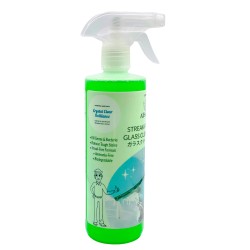










-50x50.png "ClearWhite GlassRestore Pro | Polish Cermin Kereta | Car Glass Polish Watermark and Water Spot Remover | Polish Cermin Hadapan | Kesan Wiper")


Why Does Glass Cleaner Streak? Fix It Fast

A mirror can look worse after cleaning than before: cloudy swipe marks, lint stuck at the edges, and streaks that appear only when the light hits. Why does glass cleaner streak? Usually, the cleaner is not the only issue. Too much product, a towel carrying old residue, heat, mineral-heavy water, or a dirty surface can all leave a film behind.
The good news is that streaking is a fixable cleaning problem, not a reason to keep spraying harder. The right amount of cleaner, the right cloth, and a simple wiping method can make windows, shower glass, mirrors, and glass tabletops look genuinely clear.
Why Does Glass Cleaner Streak on Clean-Looking Glass?
A streak is leftover material on the glass. It may be cleaner that dried before you wiped it, oils that were spread rather than lifted, fibers from the cloth, or minerals deposited as water evaporated. Glass is smooth and reflective, so even a thin residue becomes obvious under sunlight, bathroom lighting, or car headlights.
Many people respond by adding more spray. That often creates a bigger problem. Excess cleaner has to go somewhere, and if the towel cannot absorb it all, it dries into visible lines. More product does not automatically mean more cleaning power.
You used too much cleaner
Glass cleaner is designed to work in a light, even layer. A few sprays are usually enough for a mirror or small window pane. When the surface is soaked, the liquid pools along edges and dries unevenly. This is especially common on large patio doors, shower screens, and vehicle windshields.
Use a fine mist instead of a heavy coating. For a large pane, spray the cloth rather than the glass so you control the amount of liquid and avoid drips.
The cleaner dried before you wiped it
Warm glass creates fast-drying cleaner. Direct sun, a hot car, a steamy bathroom, or a window near an air vent can leave the solution behind before you finish buffing. That residue shows up as haze or long wipe marks.
Clean glass when it is cool and out of direct sunlight whenever possible. Work in smaller sections on large windows. Spray, wipe, and immediately finish with a dry section of cloth before moving on.
Your cloth is dirty or overloaded
A microfiber cloth may look clean while holding detergent, fabric softener, grease, dust, or old cleaning product. Once it is saturated, it stops absorbing and starts redistributing residue across the glass.
Use a fresh, clean microfiber cloth reserved for glass. If you are cleaning several windows, bring two or three cloths. One damp cloth loosens grime; a second dry cloth buffs the surface clear. Switch cloths as soon as one feels damp or starts leaving lint.
Avoid washing glass cloths with dryer sheets or fabric softener. Those products coat fibers to make them feel soft, but that same coating can transfer to mirrors and windows as smears.
The surface has grease, smoke, or old product buildup
Kitchen windows, bathroom mirrors, and car glass collect more than dust. Cooking oils, hairspray, toothpaste mist, handprints, silicone-based detailing products, and air pollution can build a stubborn film. A standard glass cleaner may glide over heavy residue instead of removing it completely.
For greasy indoor glass, wipe first with a lightly damp microfiber cloth to lift loose dirt. Then use glass cleaner sparingly and buff dry. On vehicle glass, use a cleaner intended for automotive glass and keep it away from freshly applied trim dressings, which can create oily smears.
Hard water is leaving mineral spots
If the streaks look white, chalky, or spotty, particularly on shower doors, the culprit may be hard water rather than the cleaner. Minerals remain on glass when water dries. Repeated cleaning with a regular spray can make the surface look temporarily better, but it will not always remove established scale.
Treat mineral buildup first with a cleaner made for water spots or bathroom glass, following the label instructions. Then rinse or wipe thoroughly and finish with a clean microfiber cloth. For shower glass, drying the door after use can greatly reduce future spotting.
The Simple Method for Streak-Free Glass
You do not need specialist equipment for everyday glass cleaning. You need a clean cloth, controlled product use, and a final dry buff. This method works well for mirrors, windows, interior glass doors, and many glass tabletops.
Start by removing loose dust. A dry microfiber cloth or soft duster prevents grit from turning into muddy streaks once liquid is added. If there are fingerprints or visible grime, use a lightly damp cloth first.
Next, apply a small amount of glass cleaner. Two or three sprays are enough for most mirrors. On a large window, spray the cloth in sections rather than coating the full pane. Wipe from top to bottom or side to side with overlapping passes so no area is missed.
Before the surface dries, flip to a dry side of the microfiber cloth and buff lightly. Use a consistent pattern. For example, wipe interior windows horizontally and exterior windows vertically. If you later see a streak, that pattern helps you tell which side of the glass needs attention.
For a final check, step back and view the glass from an angle. Straight-on, streaks can hide. Angled light reveals haze, missed corners, and lint before you call the job finished.
Glass-Cleaning Mistakes That Create More Work
Paper towels can work in a pinch, but they often leave lint and may not absorb enough liquid for a clean finish. Low-quality towels can also break down when wet, especially on large windows. A lint-free microfiber cloth is the better everyday choice.
Mixing cleaners is another mistake. Combining products can leave a sticky residue, reduce performance, or create fumes you do not want in your home. Use one suitable product at a time and follow its directions. If you used another cleaner first, wipe the surface clean before applying glass cleaner.
Do not use abrasive scrubbers on standard glass just because streaks are frustrating. Scrubbing pads can scratch some glass, mirror coatings, tinted films, and protective finishes. Save tougher treatment for products specifically made for mineral deposits or adhesive residue, and test a small hidden area first.
Also consider what is around the glass. A freshly cleaned mirror can streak again if you spray hair product nearby. A clean windshield can smear if windshield washer fluid, dashboard dressing, or oily hands touch it. Cleaning is easier when you remove the source of the residue, not just the mark it leaves.
Different Glass Surfaces Need Slightly Different Care
Bathroom mirrors usually need light cleaner and a dry buff. The main enemies are toothpaste splatter, handprints, and humidity. Keep a dedicated microfiber cloth nearby for quick touch-ups rather than waiting for heavy buildup.
Shower doors face the toughest conditions because soap scum and hard-water minerals can bond to the surface. Routine glass cleaner is useful for maintenance, but it may not solve a neglected shower door on its own. Use a suitable scale-removing product when needed, then maintain the glass with regular drying.
Windows may need an initial wash if they are dusty or exposed to outdoor grime. Cleaning a dirt-heavy window with only glass spray can create gray smears. Remove dirt first, then use glass cleaner for the clear finish.
Car glass needs special care. Interior windshields develop an oily film from dashboard materials, air conditioning, smoke, and fingerprints. Exterior glass collects road grime and water spots. Clean in shade, use clean dedicated microfiber towels, and avoid products that leave shine-enhancing residue. Clear visibility matters more than a temporary glossy look.
When the Product May Be the Problem
Not every cleaner performs the same on every surface. Some formulas leave behind ingredients intended to improve shine, repel water, or add fragrance. These can be useful on the right surface, but they can also streak if overapplied or if the glass is already oily.
If you have followed the correct method and still see haze, try a different glass-cleaning formula with a fresh cloth. Make sure the issue is not on the opposite side of the window or between double-pane glass. Cloudiness inside sealed double-pane windows is usually a failed seal, not something surface cleaner can fix.
For everyday maintenance, choose products based on the problem in front of you: a standard glass cleaner for fingerprints and dust, a bathroom-focused formula for soap film, and a water-spot treatment for mineral buildup. A hydrophobic glass coating can also help water bead and run off exterior glass, but it is a protection step, not a substitute for cleaning.
Clear glass comes from a simple habit: use less cleaner, use cleaner cloths, and finish dry. Keep the right glass-care essentials on hand, and even the mirror that always seems to streak can stay bright, clear, and ready for a closer look.
Related Products